Planting Petunias: Color, Care, and Charm
When summer gardening comes to mind, one flower dominates the scene: the magnificent Petunia. Beloved for their vibrant colors, velvety texture, and incredible endurance, these blooms are the foundation of summer curb appeal.
If you’re looking for a plant that delivers maximum visual impact for minimal fuss, the Petunia is your perfect match.
A Spectrum of Summer Color
The most compelling thing about Petunias is their sheer variety. They are not just available in pink and purple anymore; today’s hybrids offer a palette ranging from deep, near-black hues to bright, sunny yellows, and even intricate striped patterns.
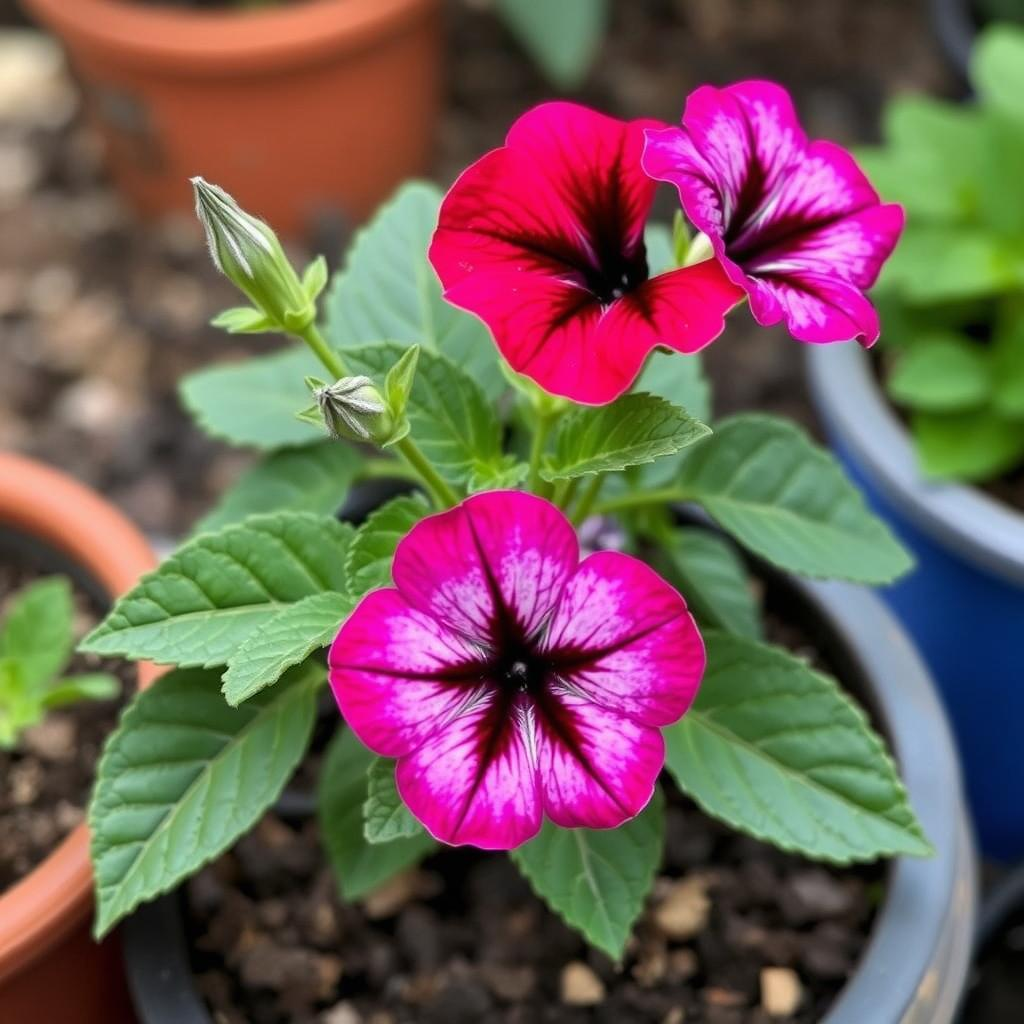
Petunias are often categorized by their growth habits, making them wonderfully versatile:
Grandiflora: Featuring large, classic blooms, these are perfect for flower beds and containers where you want big, beautiful flowers that capture immediate attention.
Multiflora: These produce smaller, more numerous flowers and are renowned for being tough and weather-resistant, making them ideal for high-traffic or exposed areas.
Trailing (or Spreading): Think of the famous "Wave" series. These cascade beautifully over the edges of hanging baskets and window boxes, creating a spectacular waterfall of color.
Simple Care for Spectacular Results
One of the reasons Petunias are a gardener’s favorite is that they thrive when given just a few basic elements.
The Power of Sun
Petunias are sun worshippers. They need at least six hours of direct sunlight every day to produce their best, most abundant blooms. If planted in too much shade, they will become leggy and produce far fewer flowers.
Water and Food
While tough, Petunias do appreciate consistent moisture, especially those in hanging baskets, which dry out quickly in the summer heat. Be sure to water thoroughly until liquid drains from the bottom.
As heavy bloomers, Petunias are hungry feeders. Use a balanced, water-soluble fertilizer every two to three weeks through the summer months to keep that endless cycle of flowers going strong.
The Secret to Continuous Blooms
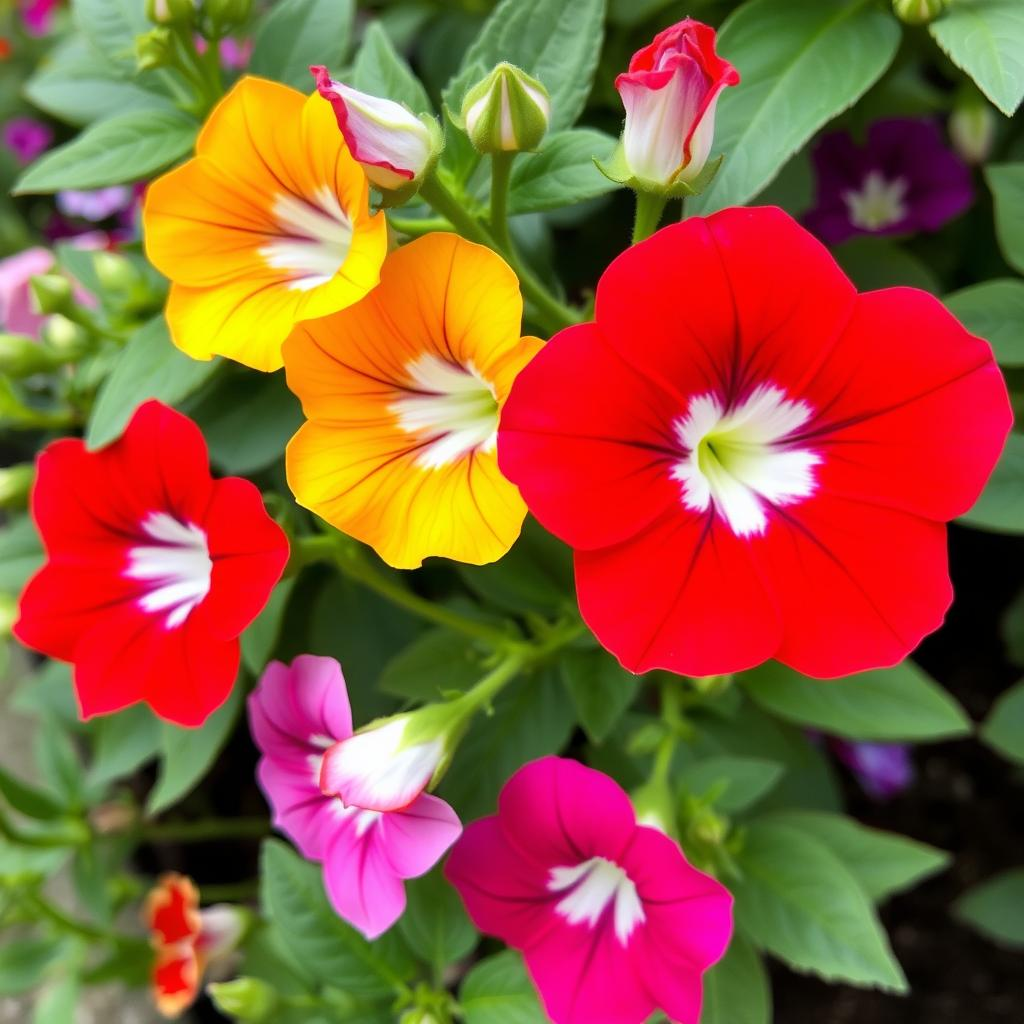
The most critical maintenance step is called deadheading. This means removing the spent (wilted or dried-up) flowers. You simply pinch or snip off the old bloom right below the seed pod.
Why bother? When you remove the dying flower, you prevent the plant from wasting energy trying to make seeds. Instead, that energy is redirected into producing new buds, ensuring a fresh, colorful splash all summer long.
If you want a dependable flower that offers huge payoff for very little effort, make sure a Petunia is anchoring your garden plan this year. Choose your favorite color, hang a basket, and enjoy the show!