The Helpful Hyssop: More Than Just a Pretty Flower
Have you ever seen a plant with tall, spiky stems covered in tiny, vibrant flowers? If so, you might have been looking at a hyssop. This humble herb is more than just a beautiful addition to a garden; it’s a plant with a rich history and many practical uses.
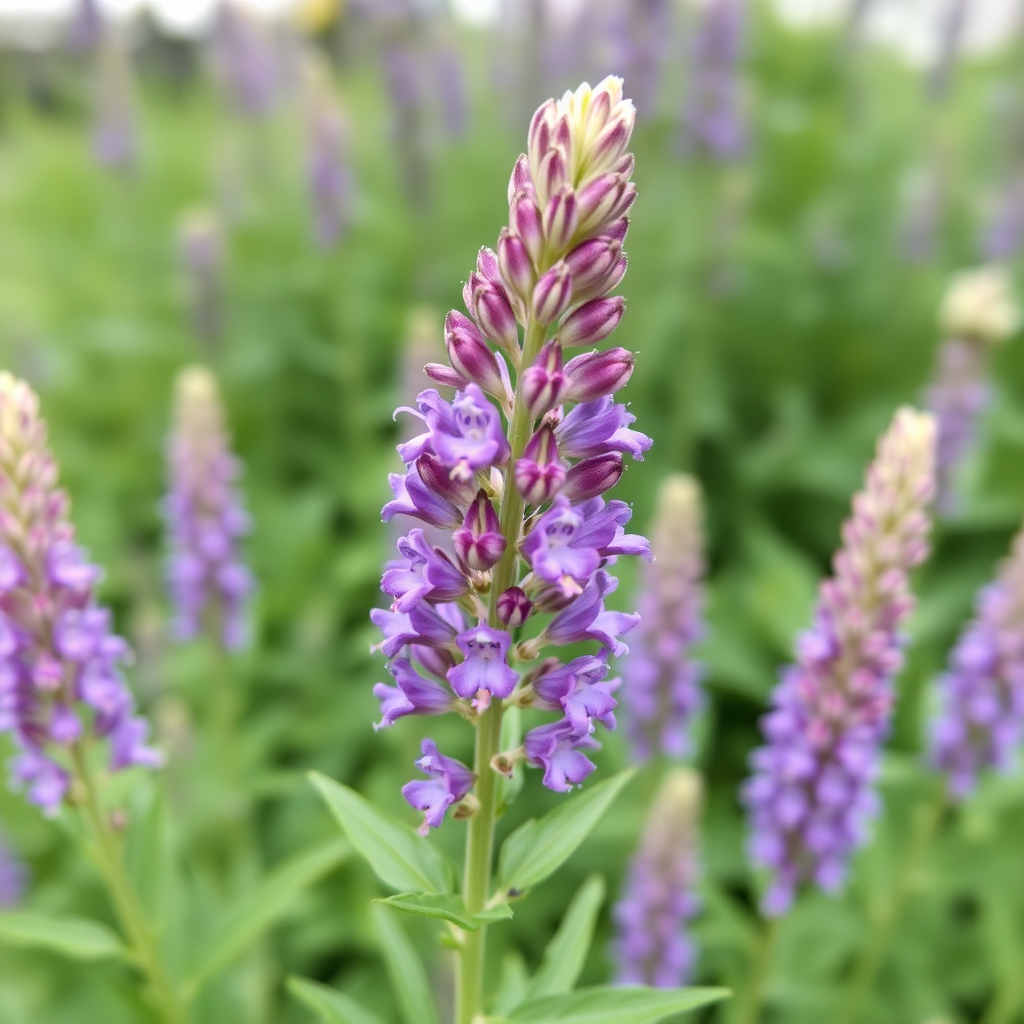
Hyssop is known for its bright blue, purple, pink, or white flowers that bloom in the summer. It has a pleasant, minty scent. For thousands of years, people have valued this plant. In ancient times, it was used for cleaning and purification. Later, people discovered its benefits in the kitchen and home. Hyssop leaves can be dried to make a fragrant, soothing tea.
Traditionally, this tea was a popular home remedy for coughs and colds. A small amount of the fresh or dried leaves can also add a unique, bitter flavour to soups and salads.
In the garden, hyssop is a true friend to nature. Its beautiful flowers are a magnet for important pollinators like bees, butterflies, and even hummingbirds. Planting hyssop helps support these tiny creatures, which are essential for a healthy environment.
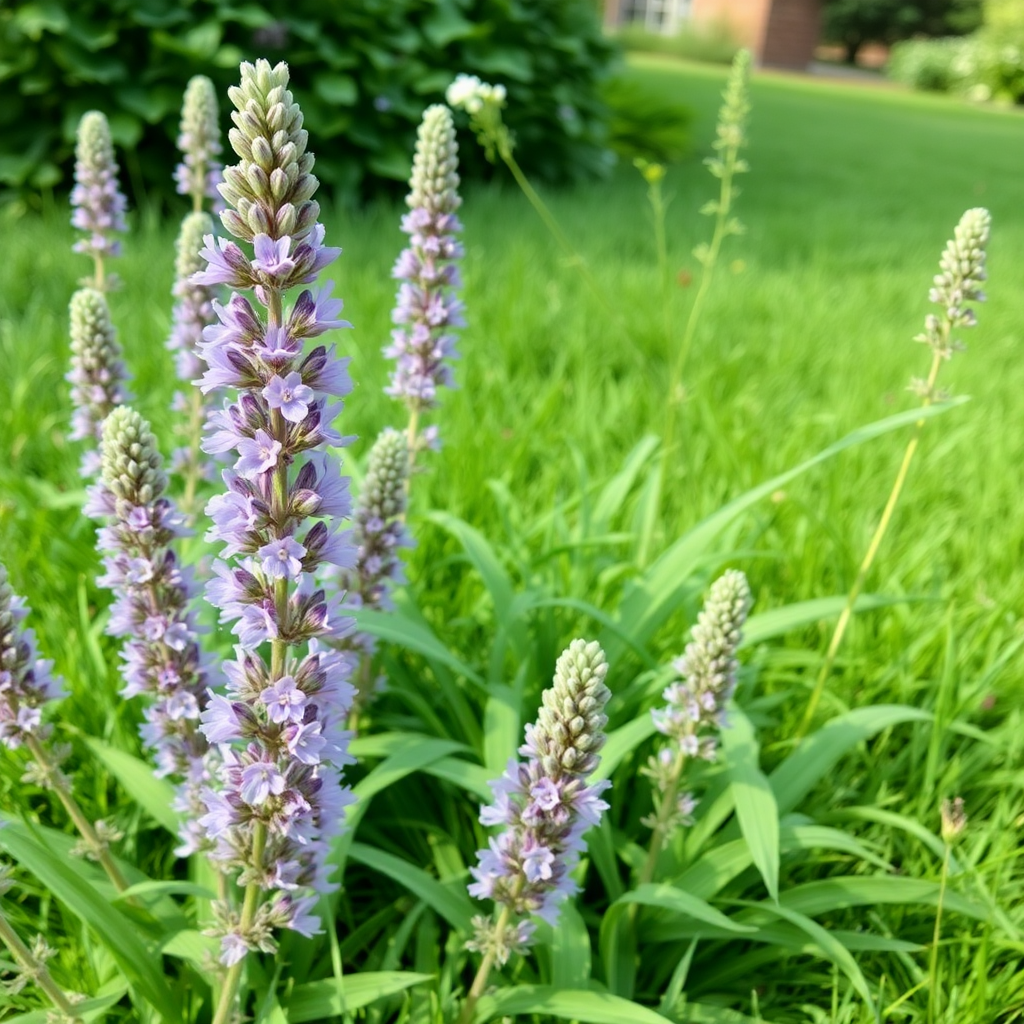
Best of all, hyssop is easy to grow. It loves the sun and is quite tough, handling dry weather well once it’s established. This makes it a perfect choice for beginner gardeners or anyone looking for a low-maintenance plant.
So next time you see a hyssop, remember it’s not just a pretty face. It’s a hard-working herb with a deep history, a helper in the kitchen, and a haven for bees. The helpful hyssop truly earns its place in any garden.