Beyond the Bloom: Why You Need Coral Bells (Heuchera) In Your Garden
In the world of garden perennial stars, few plants offer the year-round drama and color variety of Coral Bells. Known botanically as Heuchera, these versatile plants have quickly moved from being a simple accent to a necessary centerpiece in any landscape.
If you are looking for powerhouse performance in tricky spots, or simply desire color that lasts long after the tulips have faded, it’s time to get acquainted with the magnificent foliage of Coral Bells.
The True Spectacle: Leaf Color
While the name "Coral Bells" suggests a focus on the flowers, the real magic of Heuchera lies in their incredible leaves. Modern breeding has exploded the color palette, meaning you can find a hue for virtually any garden style.
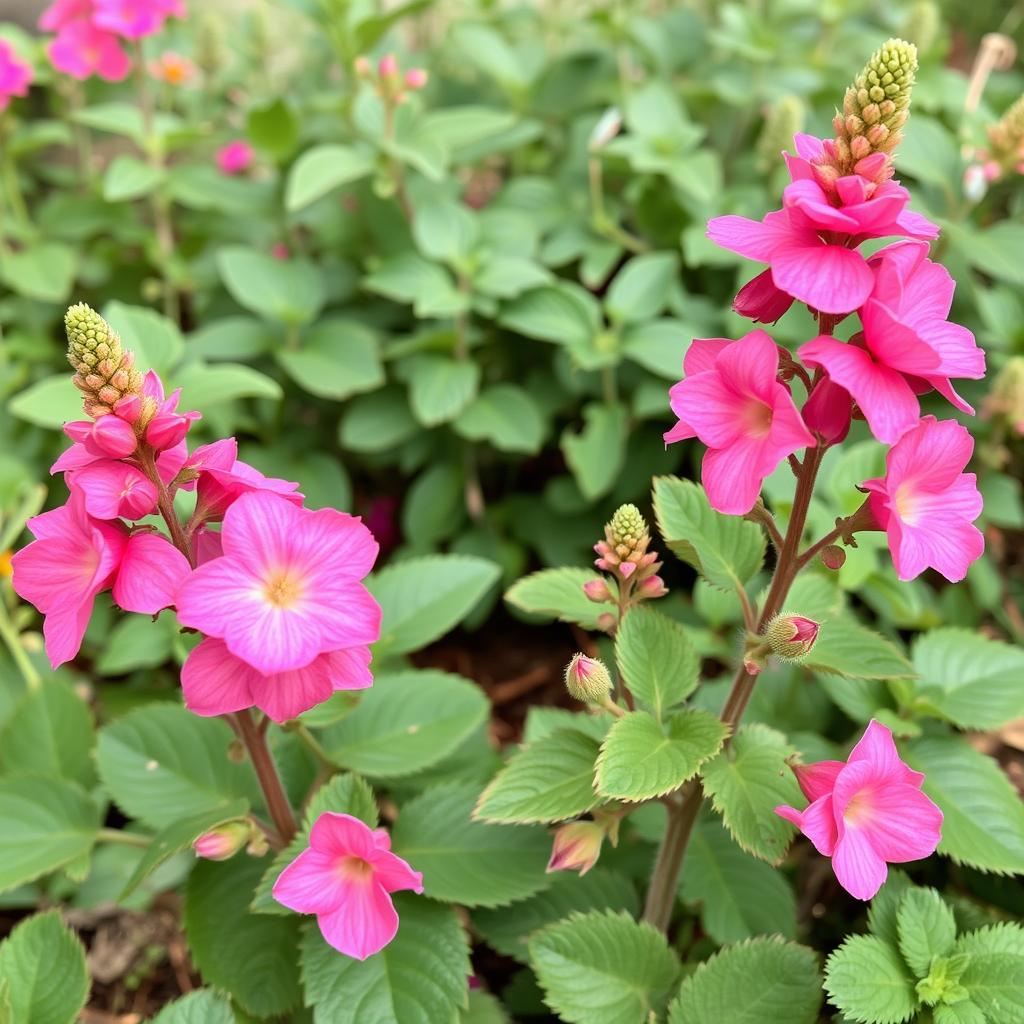
Forget basic green. Today, Coral Bells arrive in stunning shades of lime green, deep burgundy, shimmering silver, butterscotch yellow, and nearly black mahogany. Many varieties feature intricate patterns, ruffled edges, or contrasting veins, providing texture and interest even in the dullest winter months (as they are generally evergreen in milder climates).
This dense mound of color is a fantastic way to brighten shady areas where traditional flowering plants often struggle. Try them along pathways, massed as a vibrant groundcover, or tucked into containers where their colors can truly shine.
Simple Care for Maximum Impact
One of the best qualities of Coral Bells is their resilience and adaptability. They are surprisingly low-maintenance, making them perfect for both beginner and experienced gardeners.
The Golden Placement Rule: Heuchera thrive best in partial shade to full shade. While some darker varieties can handle more sun, intense afternoon heat can scorch the lighter-colored leaves (like the bright yellows and limes), washing out their vibrancy.
They prefer well-drained soil and, once established, are relatively drought-tolerant. Unlike many perennials that require deadheading or heavy pruning, Coral Bells require minimal fuss. Simply snip off any spent flower stalks in late summer and remove any old leaves in the spring to encourage fresh growth.
Dainty Flowers and Pollinator Power
Though we celebrate the foliage, we can’t forget the actual "bells." In late spring and early summer, delicate, airy spikes rise above the colorful mounds of leaves. These tiny, bell-shaped flowers—often pink, white, or coral red—create a beautiful, misty contrast to the dense foliage beneath them.
These dainty blooms are also a delightful invitation for pollinators. Hummingbirds especially adore the tubular flowers, making Coral Bells a key addition to any wildlife-friendly garden.
Whether you choose a dark, dramatic 'Obsidian' cultivar or a brilliant, chartreuse 'Lime Marmalade,' Coral Bells offer high-impact color, effortless care, and season-long beauty. They are the definition of a garden essential.