The Enchanting Beauty of the Evening Primrose Flower
Few flowers capture the magic of twilight quite like the evening primrose (Oenothera biennis). With its delicate, cup-shaped blossoms and captivating blooming ritual, this wildflower has charmed gardeners and nature lovers for generations.
Native to North America, the evening primrose thrives in open fields, along roadsides, and in well-drained soils. What sets it apart is its unique habit: the flowers open at dusk, often with an almost theatrical flair. As the sun sets and shadows lengthen, pale yellow or pink buds unfurl, releasing a light, sweet fragrance to attract nocturnal pollinators like moths and bats.
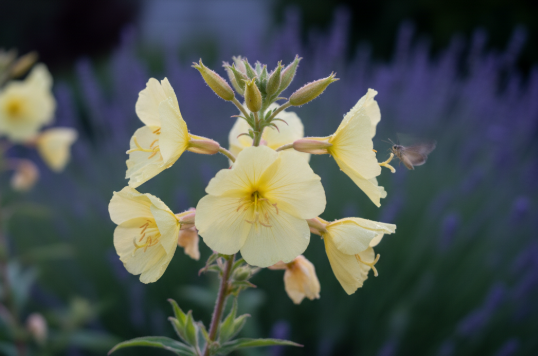
Each bloom typically lasts only one night, wilting by the following morning—a fleeting beauty that reminds us to appreciate the present moment. Despite their short lifespan, plants produce numerous buds, ensuring a continuous display over several weeks in late spring and summer.
Beyond its visual appeal, the evening primrose carries a rich history of medicinal use. Indigenous peoples long valued it for its healing properties, using the leaves and roots to treat wounds and inflammation. Today, it's best known for evening primrose oil, derived from its seeds and rich in gamma-linolenic acid (GLA), an omega-6 fatty acid believed to support skin health, hormonal balance, and reduce inflammation.
In the garden, evening primrose is a low-maintenance delight. It prefers full sun and tolerates poor soil, making it ideal for naturalistic landscapes or cottage gardens. As a biennial, it grows foliage in its first year and sends up tall, slender stalks with blooms in the second. While self-seeding readily, it rarely becomes invasive and often fits beautifully into wildflower meadows.
Symbolically, the evening primrose represents mystery, enchantment, and the quiet strength found in stillness. Its evening bloom cycle mirrors a gentle reminder to slow down, breathe, and appreciate the subtle wonders around us.
Whether admired for its ethereal beauty, medicinal qualities, or ecological role, the evening primrose is a testament to nature’s quiet elegance. So, the next time you’re outside at twilight, take a moment to look closely—among the fading light, a primrose might just be opening its golden petals just for you.