Desert Rose: The Unexpected Beauty That Thrives Where Few Others Can
When you think of roses, the mind usually drifts to lush gardens, gentle rain, and temperate climates. Yet there is a flower that defies that romantic image, flourishing amid arid sands and scorching sun: the Desert Rose (Adenium obesum).
This striking plant, with its thick, swollen trunk and vividly colored blossoms, has become a symbol of resilience, elegance, and exotic allure. Let’s explore why the Desert Rose captivates botanists, interior designers, and spiritual seekers alike.
A Botanical Marvel
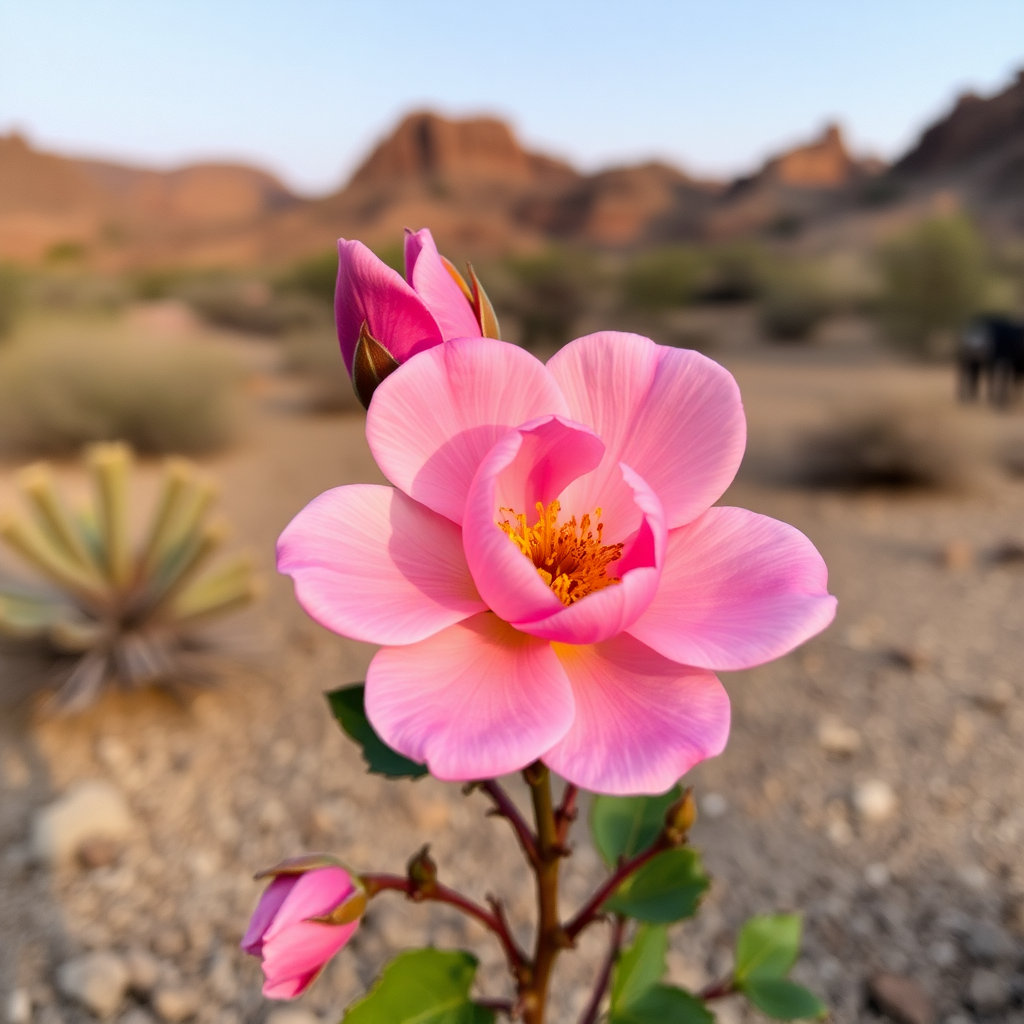
Native to sub‑Saharan Africa and the Arabian Peninsula, the Desert Rose belongs to the Apocynaceae family—the same lineage as oleander and periwinkle. Its most distinctive feature is the caudex, a bulbous, water‑storing stem that can swell to the size of a basketball in mature specimens. This adaptation allows the plant to survive prolonged droughts, storing moisture for months when rainfall is scarce.
When the conditions are right—warm temperatures, bright light, and occasional watering—the plant produces single‑flower blooms that range from deep magenta to pristine white. Each blossom opens in the late afternoon, revealing a delicate, tubular shape that radiates a subtle fragrance reminiscent of citrus and honey.
From Houseplant to Haute Couture
In recent decades, the Desert Rose has stepped out of its desert origins and onto modern living rooms, offices, and boutique storefronts. Its sculptural form makes it a favorite among interior designers seeking a statement piece that blends organic geometry with low‑maintenance care. Unlike many tropical foliage plants, the Desert Rose tolerates occasional neglect, thriving on a schedule of infrequent watering and ample sunlight.
Designers have also taken inspiration from the flower’s unique silhouette for jewelry and fashion. The term “desert rose” is often applied to rose‑shaped agate or gypsum crystals that form in arid environments, prized for their layered, petal‑like patterns. These natural gems find their way into necklaces, rings, and even luxury watches, offering wearers a tangible piece of the desert’s mystique.
Symbolism and Spiritual Meaning
Beyond its aesthetic appeal, the Desert Rose carries a rich tapestry of symbolic meanings across cultures:
Resilience & Survival: Its ability to prosper in harsh conditions makes it an emblem of perseverance.
Transformation: The caudex’s swelling and the sudden burst of blossoms echo the concept of growth after adversity.
Mystical Beauty: In Middle Eastern folklore, the desert rose is linked to love and protection, believed to ward off negative energies.
Many wellness practitioners incorporate Desert Rose extracts into aromatherapy and skin‑care products, citing its antioxidant properties and soothing aroma.
Caring for Your Own Desert Rose
If you’re inspired to bring a piece of the desert home, here are three quick tips:
Light: Provide at least six hours of direct sunlight daily. A south‑facing window or a grow light works well.
Water: Allow the soil to dry out completely between waterings; overwatering can cause root rot.
Soil: Use a well‑draining cactus mix or add sand and perlite to regular potting soil.
With a bit of patience, your Desert Rose will reward you with spectacular blooms and a living reminder that beauty can indeed flourish where it seems least likely.
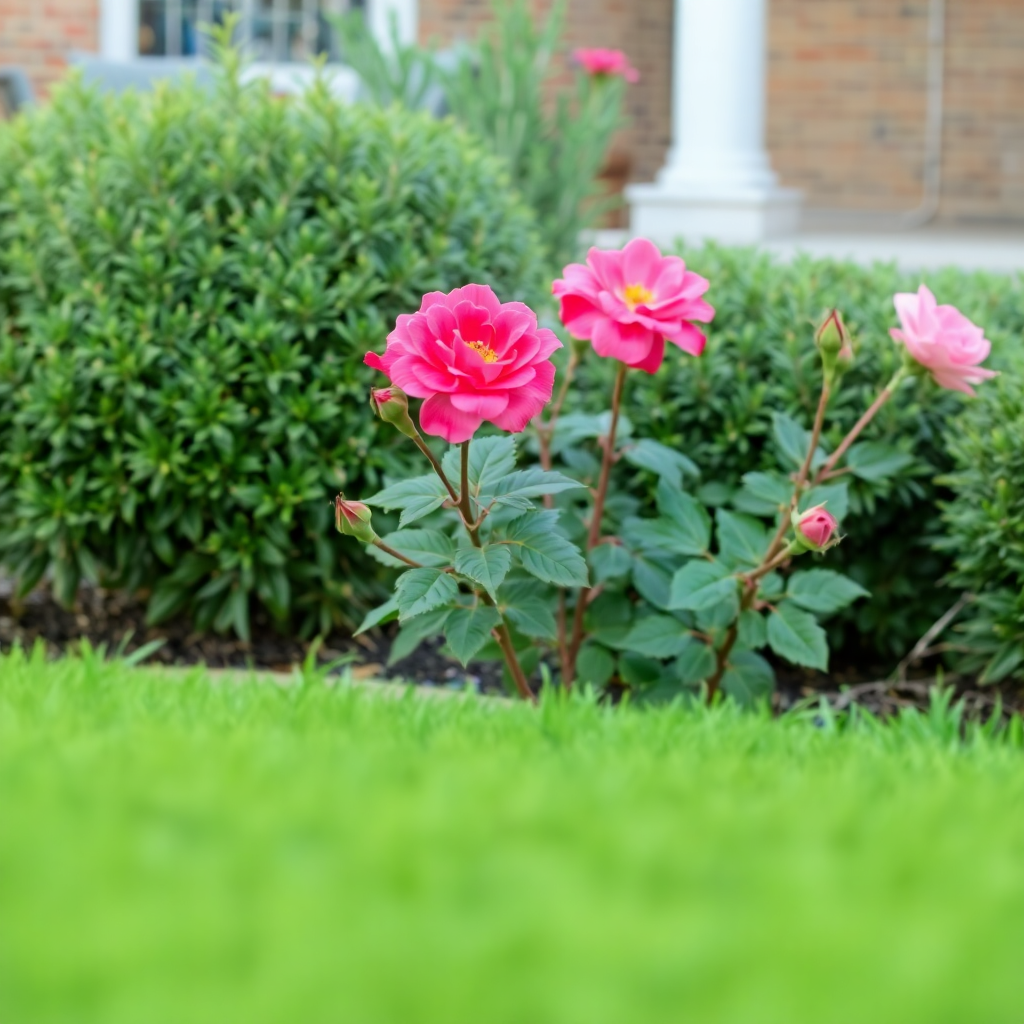
In a world that often equates beauty with abundance, the Desert Rose stands as a quiet testament to elegance born from scarcity. Its captivating form, cultural resonance, and low‑maintenance charm make it a perfect addition to any space—and a powerful metaphor for thriving against the odds.
Whether you admire it in a gallery, wear it as a crystal pendant, or nurture it on your windowsill, the Desert Rose invites us all to celebrate resilience, transformation, and the unexpected splendor of the desert.