Speedwell Flowers: A Low‑Maintenance Gem for Every Garden
If you’re hunting for a versatile, hardy plant that adds colour and texture without demanding constant attention, look no further than the speedwell (genus Veronica). Often overlooked in favour of flashier perennials, speedwells are quietly impressive—offering a spectrum of hues, attractive foliage, and ecological benefits that make them a must‑have for both novice gardeners and seasoned horticulturists.
A Quick Botanical Snapshot
Speedwells belong to the Plantaginaceae family and include over 500 species distributed across temperate regions of the Northern Hemisphere.
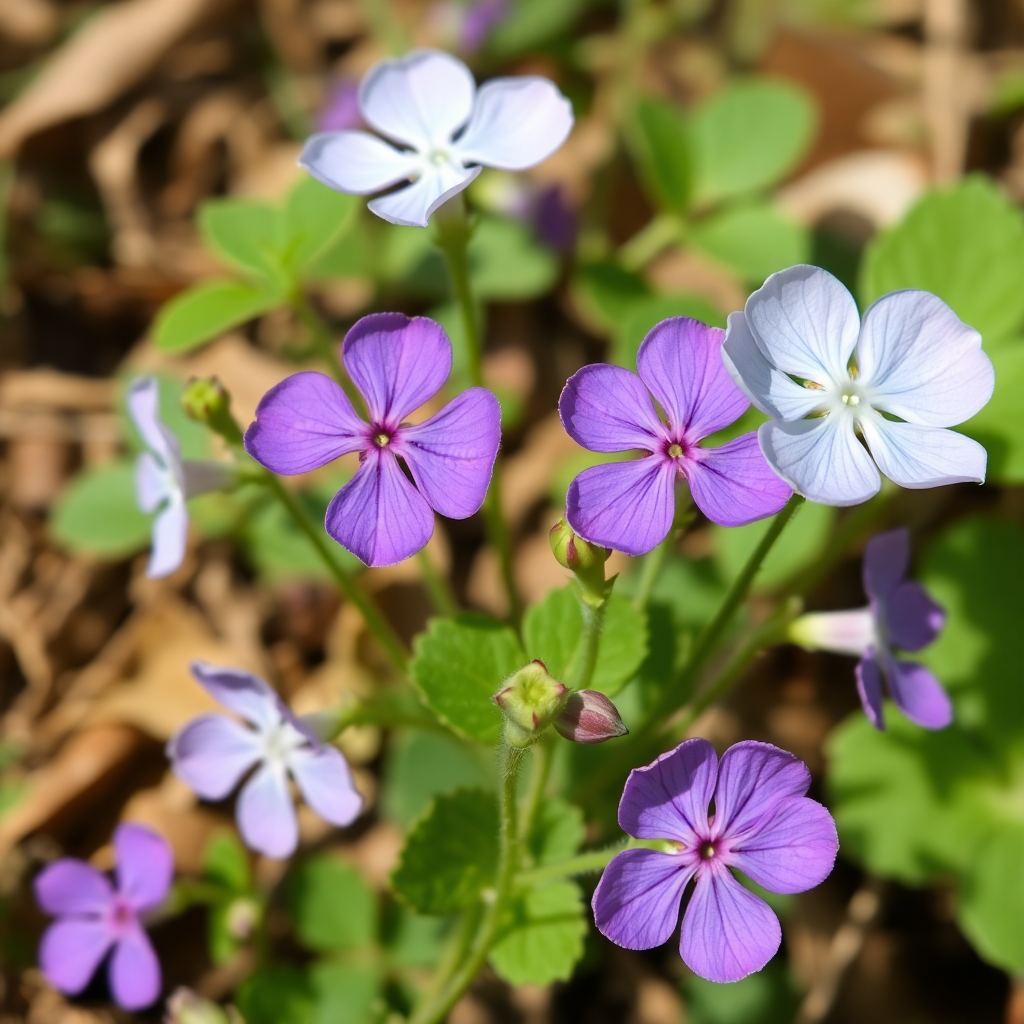
The most common garden varieties—Veronica spicata (spiked speedwell) and Veronica longifolia (longleaf speedwell)—produce tall, slender spikes of tiny, star‑shaped flowers that bloom from late spring through early autumn. Colours range from soft sky‑blue and lavender to deep violet and, in some cultivars, a delicate pink.
Why Speedwells Earn Their “Speed” Reputation
The nickname “speedwell” stems from the plant’s rapid establishment and vigorous spread. Most species are tolerant of a wide pH range (6.0–7.5) and thrive in full sun to partial shade. Their deep, fibrous root systems make them drought‑resistant once established, while their self‑seeding habit ensures a natural, low‑maintenance carpet that fills garden gaps year after year.
Design Ideas: Where to Plant Speedwells
| Garden Setting Recommended Species | Placement Tips |
|---|---|
| Rock & Alpine Gardens Veronica alpina | Plant among stones where drainage is excellent; the compact habit prevents crowding. |
| Border Fronts & Edging | Veronica spicata ‘Blue Cloud’ Space plants 12–18 inches apart for airy spikes that sway in the breeze. |
| Meadow‑Style Plantings | Veronica persica (common speedwell) Allow natural reseeding; mix with grasses and other wild‑flower natives for a pollinator haven. |
| Container Gardening V | eronica x hybrida ‘Roberto’ Choose a pot with good drainage; combine with low‑growers like creeping thyme for texture contrast. |
Pollinator Power
Speedwell flowers are a magnet for bees, butterflies, and hoverflies. Their open, shallow corollas make nectar easily accessible, supporting early‑season pollinators when other blooms are scarce. Adding a few speedwell spikes to a vegetable patch can boost pollination rates for crops such as cucumbers and melons.
Care Checklist
Soil Preparation – Loosen the top 6 inches; incorporate a thin layer of compost for a nutrient boost.
Planting Depth – Set the crown at soil level; firm gently around the roots.
Watering – Keep soil evenly moist for the first 3 weeks; thereafter, water only during prolonged dry spells.
Deadheading – Trim spent stems to encourage a second flush of blooms and to keep the plant tidy.
Division – Every 3–4 years, dig up clumps in early spring, split, and re‑plant to maintain vigor.
A Final Thought
Speedwell flowers may not command the spotlight like a peony or rose, but their understated elegance, adaptability, and ecological value make them a quiet hero of the garden. Whether you’re crafting a low‑maintenance border, a pollinator‑rich meadow, or a container oasis, speedwells deliver colour, resilience, and a touch of natural speed—helping your garden thrive with minimal effort.
Give speedwell a try this season, and watch a modest spike become the heartbeat of your outdoor space.
Thank you for sharing on steem! I'm witness fuli, and I've given you a free upvote. If you'd like to support me, please consider voting at https://steemitwallet.com/~witnesses 🌟