Borage Flowers: A Little‑Blue Wonder for Your Garden
If you’re looking for a bright splash of sky‑blue in the garden, borage (Borago officinalis) might be just what you need. This humble herb is a favorite of gardeners, bees, and cooks alike. In just a few short paragraphs, let’s discover why the borage flower is worth a place in your garden, how to grow it, and the many ways you can enjoy it.
What Does Borage Look Like?
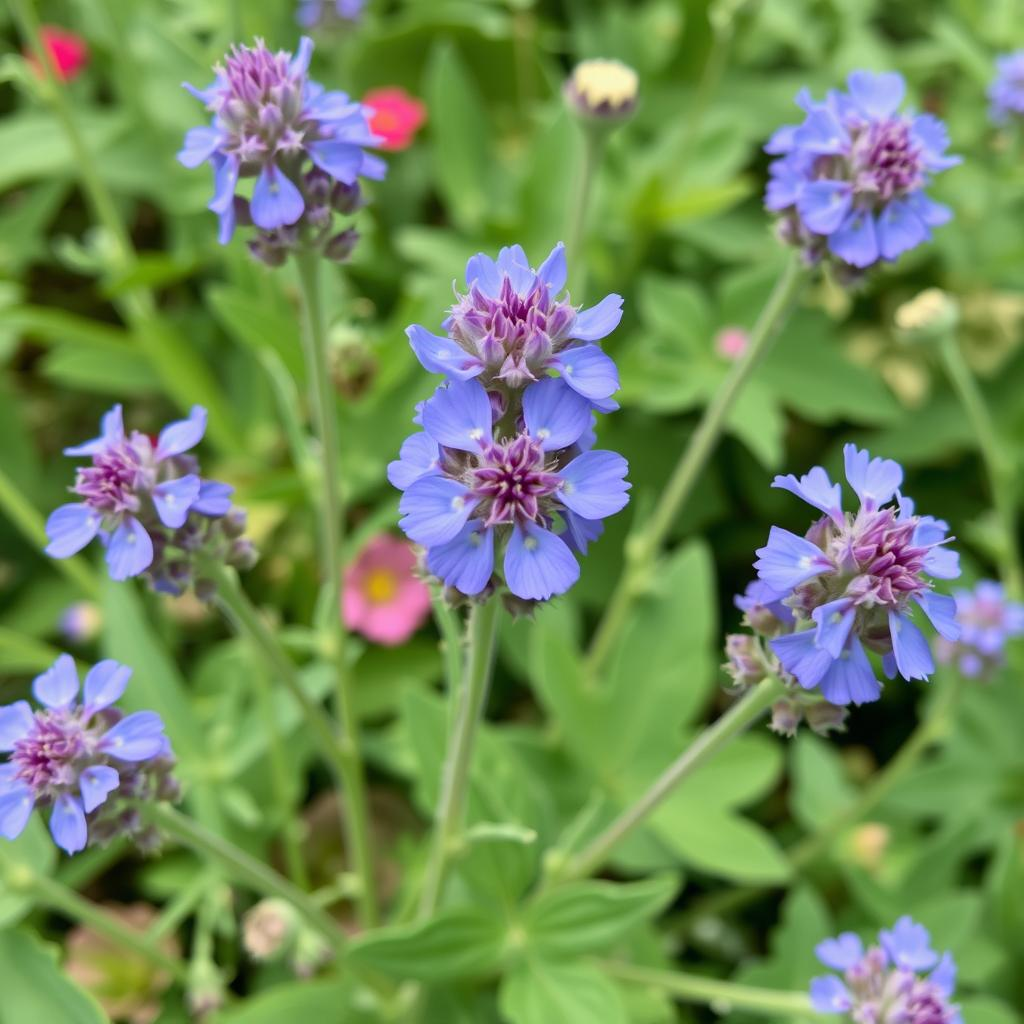
Borage plants are easy to spot. They grow to a height of about three to four feet, with fuzzy, silver‑green leaves that feel a little like a soft brush. At the top of each stem sit clusters of star‑shaped flowers.
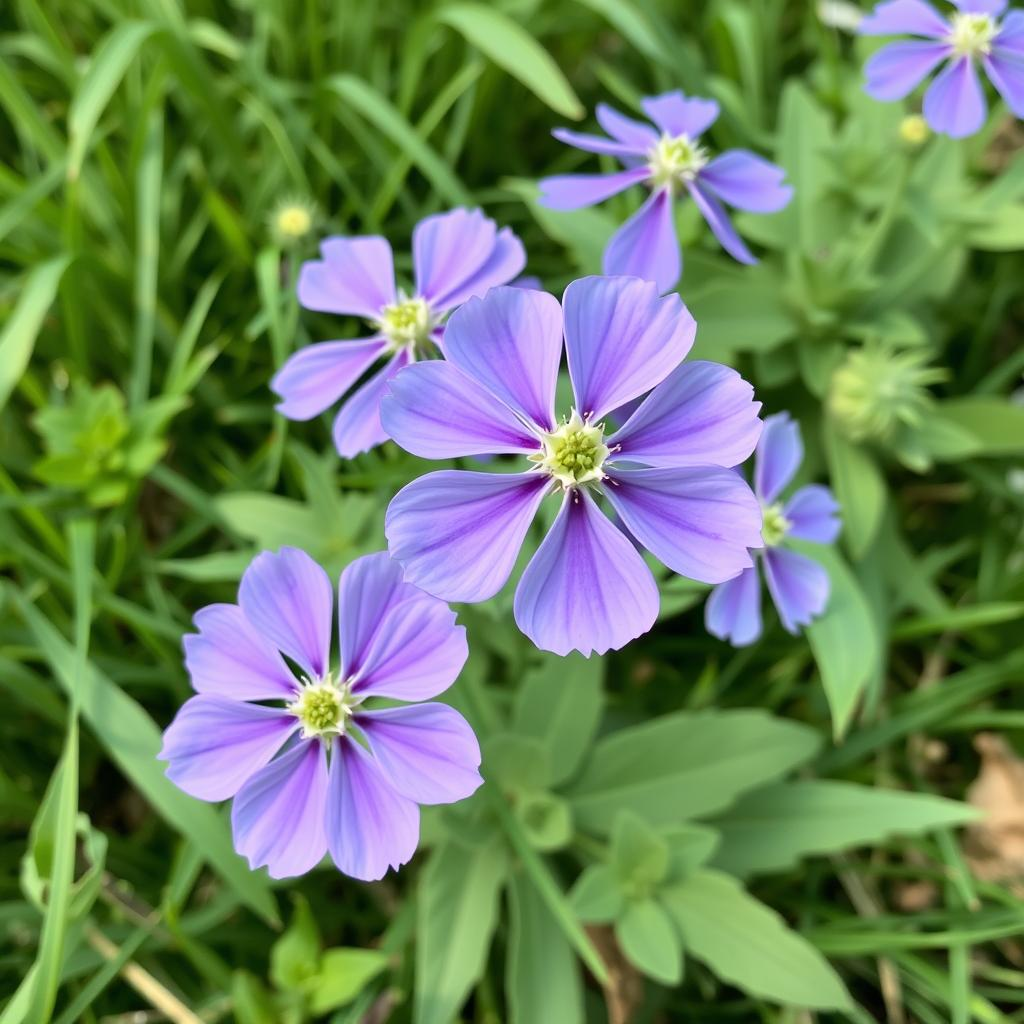
The blossoms are a vivid, sky‑blue that can turn to a soft lavender as they age. Each flower is about an inch across and opens in the warm part of the day, closing gently as the sun sets.
Why Bees Love It
One of the biggest reasons gardeners love borage is its magnetism for pollinators. The flowers are rich in nectar, and their open shape makes it easy for bees, butterflies, and even hummingbirds to sip. If you want a garden that buzzes with life, planting a row of borage is a quick way to invite friendly insects. The extra pollination can even help neighboring vegetables produce more fruit.
Culinary Uses
Borage isn’t just pretty; it’s also edible. The fresh flowers have a light cucumber flavor, making them a delicate garnish for salads, desserts, or cocktails. A classic use is the “cucumber‑flower” gin fizz, where a few borage blossoms float on top of the drink for a fragrant finish. The leaves are also edible, though they can be a bit tough; they’re best used cooked, like in soups or stews.
Growing Tips for Beginners
Planting time: Sow seeds in early spring after the last frost, or start them indoors a few weeks earlier.
Soil: Borage tolerates most soils but prefers well‑draining, moderately fertile ground. A little compost at planting time gives a good start.
Sun: Full sun to light shade works fine. More sun means more blossoms.
Water: Keep the soil evenly moist, especially while seedlings are establishing. Once the plant is mature, it can handle short dry spells.
Spacing: Give each plant about a foot of space. Borage can self‑seed, so you may find new plants popping up in the following year.
A Few Handy Reminders
Self‑seeding: If you love a continuous bloom, let the seed heads dry on the plant and scatter the seeds in the garden. If you prefer a tidy border, deadhead the flowers before they go to seed.
Companion planting: Borage pairs well with tomatoes, strawberries, and beans. Its deep roots help break up compacted soil, while its flowers attract pollinators for nearby crops.
Harvesting: Pick flowers in the morning when the nectar is highest. Use a gentle scissors or pinch them off to avoid bruising.
Bottom Line
Borage flowers bring more than just color to a garden. Their easy‑care nature, pollinator‑friendly blooms, and tasty, cucumber‑flavored blossoms make them a versatile addition to any backyard. Whether you’re a seasoned gardener or just starting out, planting a few borage seeds can turn a plain patch into a lively, blue‑hued haven. So grab some seeds, give them a sunny spot, and watch the garden transform—one tiny, star‑shaped flower at a time.
Upvoted! Thank you for supporting witness @jswit.
Thank you for sharing on steem! I'm witness fuli, and I've given you a free upvote. If you'd like to support me, please consider voting at https://steemitwallet.com/~witnesses 🌟