The Delicate Charm of Nemophila: A Springtime Garden Treasure
If you’re looking to add a splash of gentle color to your garden, consider the Nemophila, a small yet striking flower also known as Baby Blue Eyes. With its dainty petals and whimsical white ring surrounding the center, this bloom seems like a gift from nature’s most delicate palette. Native to California and Baja California, Nemophila thrives in the wild and now graces gardens worldwide, offering a touch of rustic charm in early spring.
A Botanical Wonder
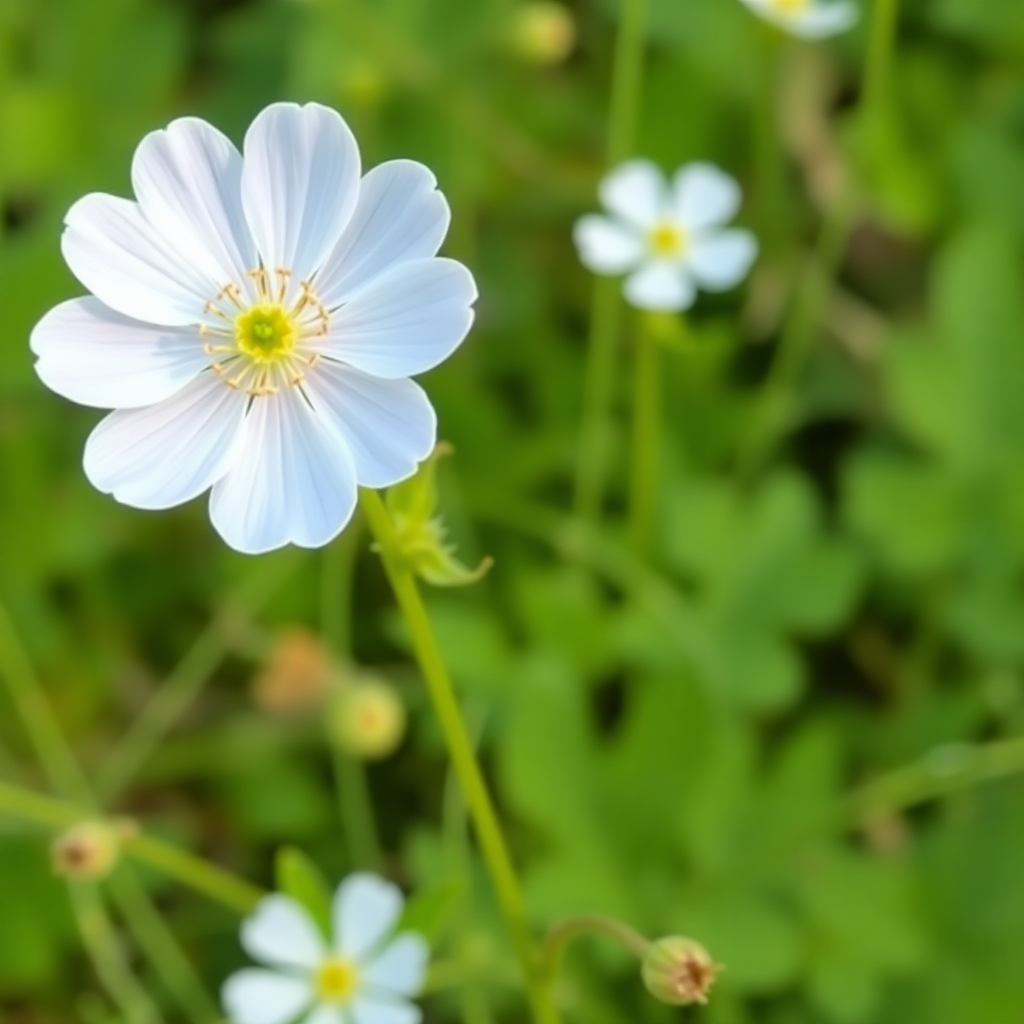
Nemophila flowers are annuals, typically growing low to the ground, making them perfect for borders or rock gardens. Their most iconic feature is the vibrant blue petals—though some varieties sport white, lavender, or even yellow—each centered with a distinct white “bull’s-eye.”
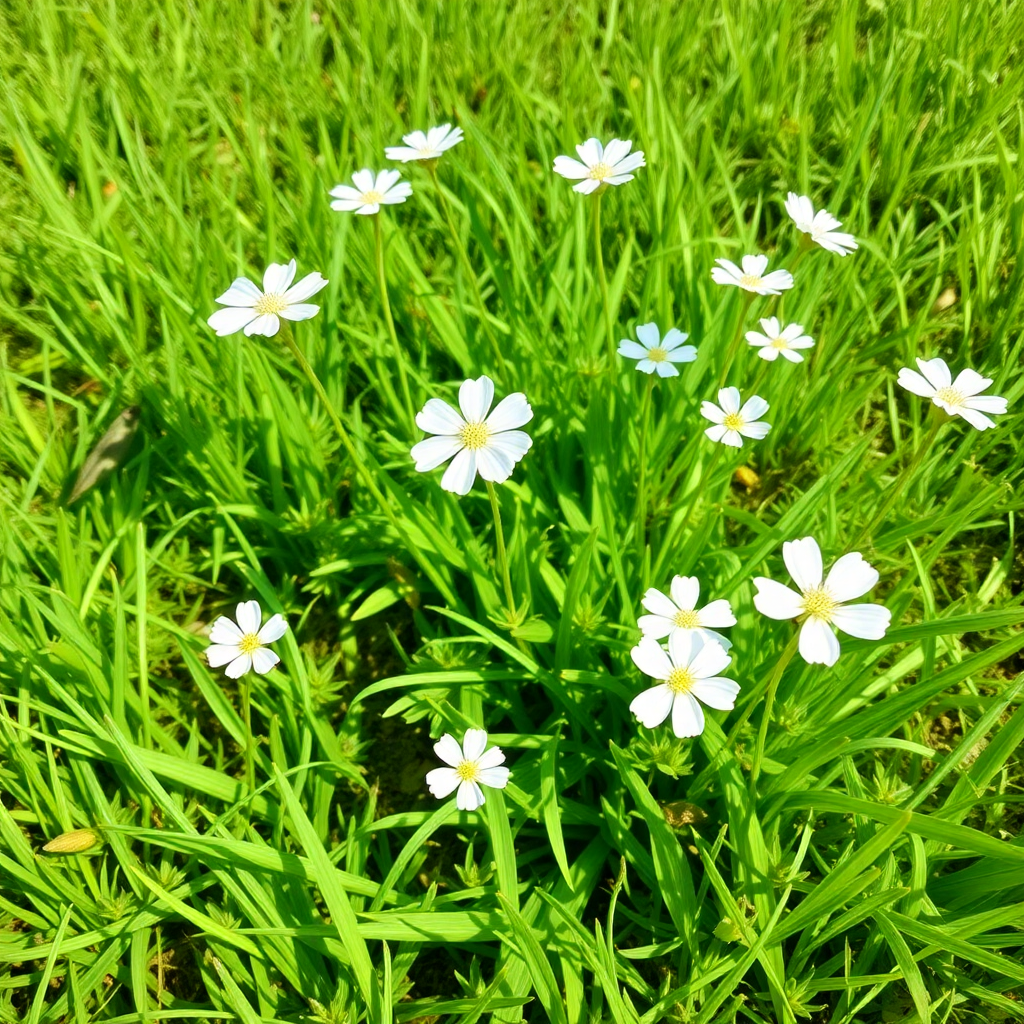
This unique pattern attracts pollinators like bees and butterflies, essential for ecological balance. The plant prefers well-drained soil and partial shade, though it can tolerate sun if the soil remains consistently moist.
Growing Nemophila: Tips for Success
Cultivating Nemophila is a rewarding venture. Start by sowing seeds in early spring, after the last frost. The soil should be light and slightly acidic, with a pH between 6.0 and 6.5. Plant seeds shallowly, about 1/8 inch deep, and keep the area consistently watered until germination (usually 7–14 days). Once established, moderate watering suffices, but avoid overwatering, as this can lead to root rot.
Though resilient, Nemophila isn’t immune to pests or disease. Downy mildew can be a threat in overly humid conditions, so ensure good air circulation. Otherwise, these flowers are low-maintenance and can thrive with minimal care.
More Than Just Beauty
Beyond their ornamental appeal, Nemophila flowers play a vital role in their ecosystems. They support pollinators and are often found in meadows and coastal areas, contributing to biodiversity. In California, they symbolize the wild, untamed beauty of spring, and they’ve even inspired artists and gardeners alike.
A Garden Staple
Nemophila’s simplicity and elegance make it a favorite for cottage gardens, wildflower meadows, or even as a cut flower. Their short blooming period—March to May—means they’ll make a fleeting but memorable impression each spring. To ensure their return, collect seeds when the flowers mature and store them for the next growing season.
Whether you’re a seasoned horticulturist or a first-time gardener, Nemophila offers a delightful, effortless way to welcome spring. Try planting these “Baby Blue Eyes” in your garden this year—they might just become your new favorite way to celebrate the fleeting magic of seasonal change.
Beautiful flowers, the bright white color with the green leaves is absolutely gorgeous. A breathtaking view; it's the beauty of nature. Best of luck to everyone, keep it up, brother.
Great post! Featured in the hot section by @punicwax.