Goldenrod: The Bright, Friendly Flower You’ve Been Missing
When you walk through a meadow or a park in late summer, you might notice a splash of golden‑yellow that seems to glow in the sunlight. That cheerful burst is most likely goldenrod. Though often misunderstood, this humble plant is a true treasure of nature. In this short blog post we’ll explore what goldenrod is, why it matters, and how you can enjoy it in your own garden.
What Is Goldenrod?
Goldenrod belongs to the Solidago genus and includes more than 100 different species. The most common type you’ll see in North America is Solidago canadensis, also called Canada goldenrod.
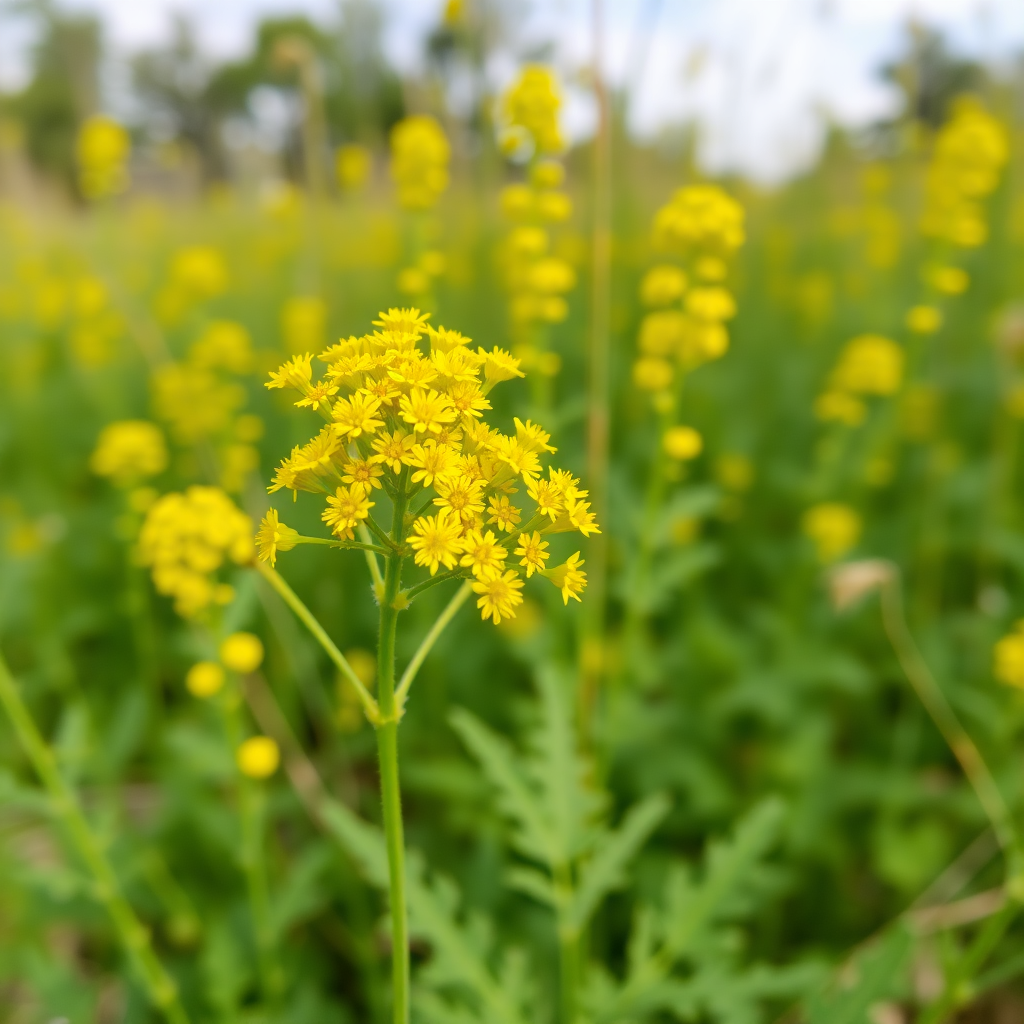
It grows as a tall, upright plant, usually reaching 3 to 5 feet high. Its stems are smooth, and its leaves are long, narrow, and slightly toothed. But the real star is the flower head: tiny, bright yellow clusters that appear on tall, feathery stalks in late summer and early fall.
A Quick History
Native peoples of North America have used goldenrod for centuries. The plant was used in teas, poultices, and as a natural dye. Early settlers learned these uses from Indigenous tribes and soon adopted goldenrod for its medicinal properties. In Europe, the flower was brought over by explorers and quickly spread to gardens and wild fields.
Why Goldenrod Is Good for You
Wildlife Magnet
Goldenrod is a favorite of bees, butterflies, and hoverflies. Its nectar feeds pollinators when many other flowers have already gone to seed. Birds also love goldenrod because the seeds provide a tasty snack in the autumn months.Soil Helper
The plant’s deep roots pull up nutrients from lower soil layers, improving overall soil health. After goldenrod dies back each winter, its decomposing leaves return those nutrients to the ground, helping other plants grow better.Medicinal Uses
Traditional herbalists have used goldenrod to treat urinary tract infections, kidney stones, and inflammation. Modern research suggests the plant contains antioxidants and anti‑bacterial compounds, though you should always consult a health professional before using it medicinally.
Myths About Allergies
Many people blame goldenrod for hay fever, but the real culprit is ragweed, which often blooms at the same time. Goldenrod’s pollen is heavy and sticky, so it doesn’t travel far in the air. If you’re allergic, it’s more likely you’re reacting to ragweed, not goldenrod.
Growing Goldenrod in Your Garden
If you want a bright, low‑maintenance addition to your garden, goldenrod is a great choice.
Sunlight – Plant it where it gets full sun (at least 6 hours a day).
Soil – It tolerates many soil types, but well‑drained soil works best.
Water – Water regularly during the first few weeks, then let it dry out a bit between waterings.
Spacing – Space plants 2 to 3 feet apart so they have room to spread.
Pruning – Cut back the stems after flowering to keep the plant tidy and encourage a second, smaller bloom.
Final Thought
Goldenrod may not have the romance of a rose or the exotic flair of an orchid, but its bright color, hardiness, and benefits to wildlife make it a true unsung hero of the garden. Next time you see those sunny spikes swaying in the breeze, take a moment to appreciate the simple beauty and ecological value of this golden treasure. Happy gardening!