The Charming Phyllox: A Simple Guide to the Phlox Flower
If you’re looking for a garden plant that’s easy to grow, colorful, and full of sweet fragrance, the phlox is a wonderful choice. Whether you have a small balcony or a spacious backyard, the phlox can add a splash of colour and a hint of perfume to any space.
Below, we’ll explore what makes phlox special, the main types you’ll find, and how to care for them so they thrive year after year.
What Is a Phlox?
Phlox (pronounced “flox”) is a group of flowering plants that belong to the Polemoniaceae family. They are native to North America, but today they are grown all over the world. The plant’s name comes from the Greek word “phlox,” meaning “flame,” a nod to the bright, fiery colours of many varieties.
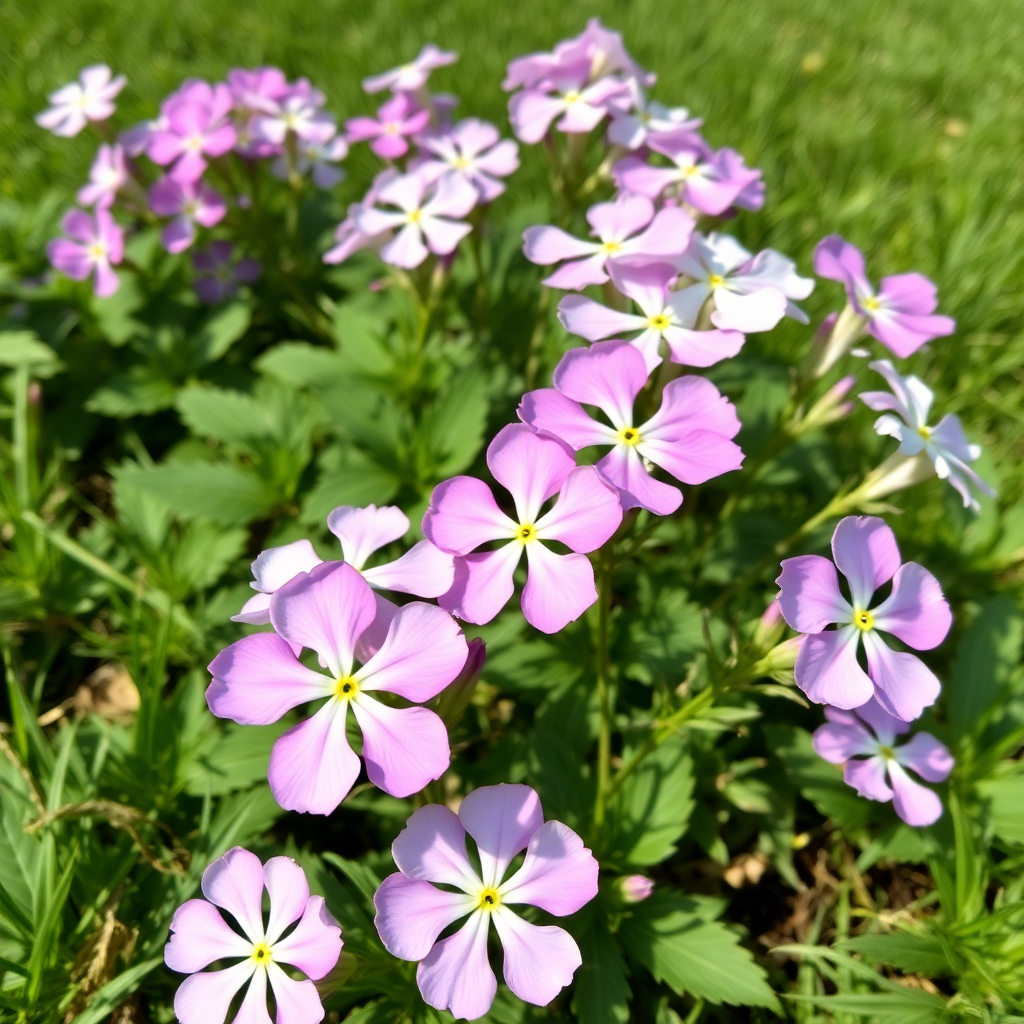
Phlox plants can be annuals, perennials, or shrubs, depending on the species. The most common garden types are:
Garden phlox (Phlox paniculata) – a tall, upright perennial that blooms in mid‑summer.
Creeping phlox (Phlox subulata) – a low‑growing, mat‑forming plant perfect for borders or rock gardens.
Hardy phlox (Phlox divaricata) – a spring‑blooming perennial with delicate, bell‑shaped flowers.
Colours and Shapes
Phlox flowers come in a rainbow of shades: pink, red, purple, white, and even blue‑violet. The blossoms are usually five‑petaled, forming a tube that opens into a flat, star‑like face. In garden phlox, the blossoms appear in large, airy clusters that can reach 12‑inch diameters, creating a dramatic display.
Growing Phlox: Simple Tips
Sunlight – Most phlox love full sun (at least 6 hours of direct light). Some creeping types tolerate light shade, especially in hotter regions.
Soil – Well‑draining, slightly acidic to neutral soil works best. Adding compost or leaf mould improves fertility and moisture retention.
Water – Keep the soil evenly moist, especially during the first few weeks after planting. Once established, many phlox varieties can handle short dry spells.
Spacing – Plant perennials 18‑24 inches apart to allow air flow. Good circulation helps prevent fungal diseases like powdery mildew.
Deadheading – Pinch off spent blooms regularly. This encourages the plant to produce fresh flowers longer.
Winter care – In colder zones, mulch around the base in late fall to protect roots from freeze‑thaw cycles.
Uses in the Garden
Borders & Edges – Creeping phlox forms a dense carpet that softens walkways and garden borders.
Cut Flowers – Long, sturdy stems of garden phlox make elegant bouquets. Their scent adds a lovely touch to indoor arrangements.
Pollinator Friendly – Bees, butterflies, and hummingbirds love phlox nectar, making it a great choice for wildlife gardens.
Containers – Both annual and dwarf varieties thrive in pots, allowing you to bring colour to patios and balconies.
A Bit of Symbolism
In the language of flowers, phlox stands for friendship, consent, and gentle affection. Giving a bunch of phlox can convey a warm, heartfelt message without saying a word.
Quick Checklist Before You Plant
- Choose the right type for your space (tall vs. low‑growing).
- Prepare a sunny spot with well‑draining soil.
- Water regularly until the plant is established.
- Deadhead to keep blooms coming.
- Mulch in winter for protection.
Final Thoughts
Phlox is a versatile, low‑maintenance plant that rewards gardeners with abundant colour, sweet fragrance, and a dash of wildlife activity. Whether you’re a seasoned horticulturist or a beginner looking for an easy starter, phlox fits right in. Plant a few today, and watch your garden blossom into a lively, fragrant haven.
Happy planting!