The Charming Sweet William: A Closer Look at Dianthus barbatus
The garden has a way of surprising us with plants that combine beauty, fragrance, and history in a single bloom. One such perennial, Dianthus barbatus, commonly known as Sweet William, has delighted gardeners for centuries with its ruffled petals, spicy scent, and lively color palette. Whether planted in a formal border, a cottage‑style meadow, or a sunny balcony, Sweet William offers a burst of cheerful elegance that is hard to ignore.
Dianthus barbatus belongs to the Caryophyllaceae family and is native to parts of Southern Europe and the Mediterranean. The plant typically reaches 30‑60 cm in height, bearing slender, linear leaves that form a neat basal rosette. Its most striking feature is the profusion of dense, cup‑shaped flowers that appear in late spring to early summer.
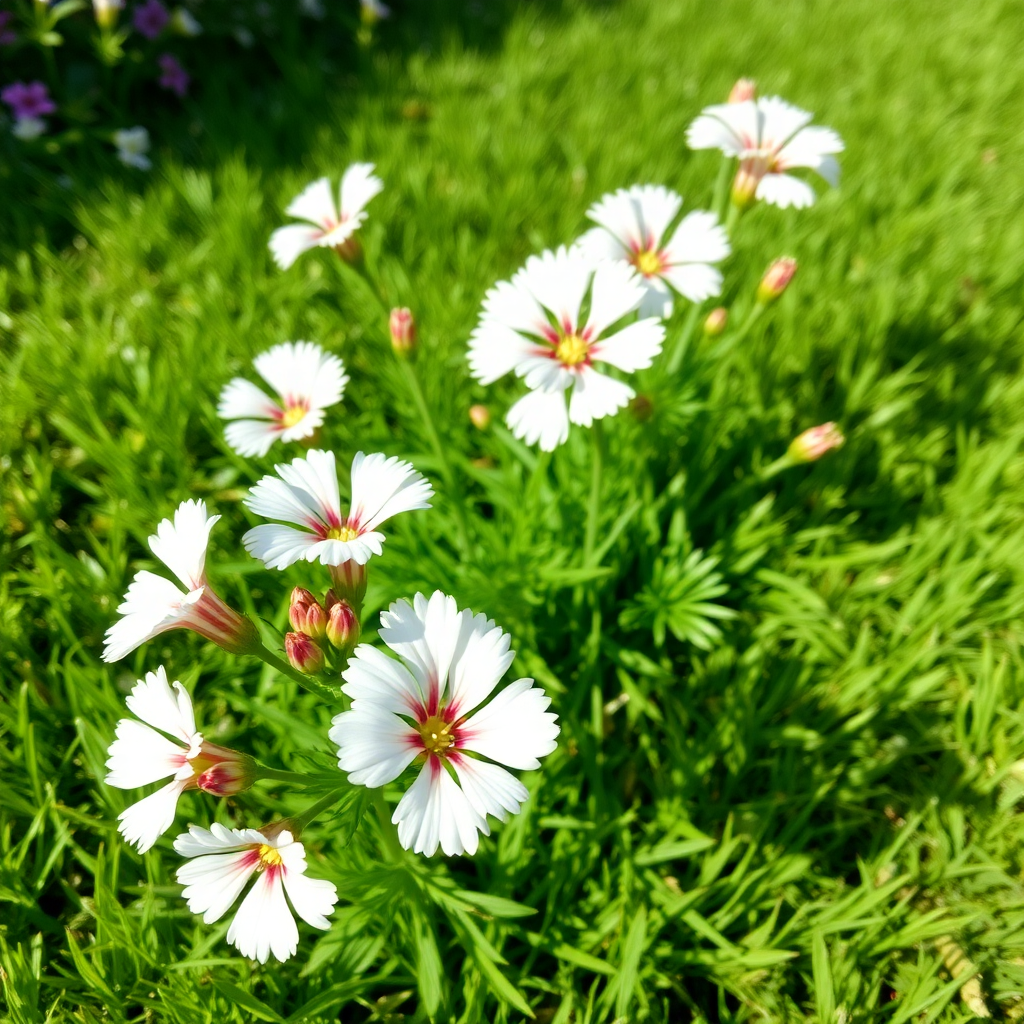
Each blossom displays four gently crinkled petals, often edged with a contrasting fringe of white or darker hue. Color ranges from deep scarlet and magenta to pastel pink, white, and even bi‑color varieties, all exuding a faint clove‑like fragrance.
Success with Sweet William begins with soil. The species prefers well‑drained, slightly alkaline ground enriched with organic matter. A sunny location—at least six hours of direct light—promotes abundant flowering, though the plant tolerates light afternoon shade in hotter climates.
Sow seeds in early spring or late summer; cover lightly and keep the seedbed moist until germination, which occurs in 7‑14 days. Space seedlings about 20 cm apart to allow air circulation and reduce fungal problems.
Water regularly during the first growing season, then cut back to a moderate schedule; over‑watering can cause root rot. Pinching back the stems after the first flush encourages a second bloom in late summer.
Beyond its ornamental value, Dianthus barbatus finds a place in edible gardening. The petals are edible, adding a peppery note to salads, desserts, and herbal teas. In the language of flowers, Sweet William conveys “good cheer” and “bounty,” making it a popular choice for celebration bouquets and wedding arrangements. Its hardiness also makes it a favorite for cut‑flower gardens, where stems last up to a week in a vase.
With its vibrant hues, fragrant appeal, and low‑maintenance nature, Dianthus barbatus deserves a spot in any garden eager for a touch of classic charm. Plant a few this season and watch the garden burst into cheerful, scented splendor.
Pair it with lavender or sage for a harmonious companion planting scheme that deters pests while enhancing the overall aroma of your garden beds.