The Delicate Beauty of the Corydalis Flower
Nestled in woodlands, rock gardens, and shaded garden corners, the Corydalis flower is a quiet charmer that brings subtle elegance to any landscape. With its delicate, lantern-shaped blooms and finely textured foliage, Corydalis (genus Corydalis) captivates gardeners and nature lovers alike.
Native to Europe, Asia, and parts of North America, Corydalis belongs to the poppy family (Papaveraceae). It thrives in cool, moist, and partially shaded environments, making it a favorite for spring gardens where it bursts into life before the canopy trees fully leaf out.
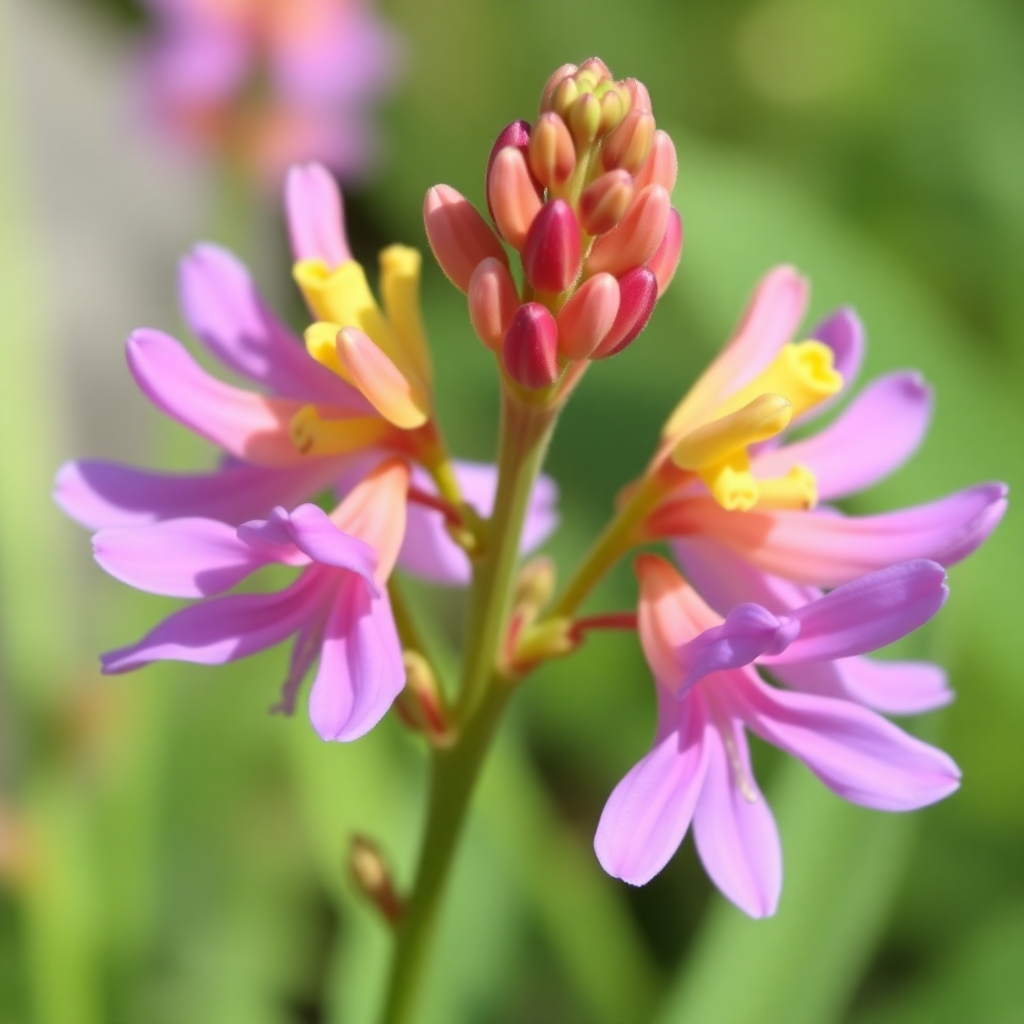
One of the most beloved species is Corydalis lutea, known for its vibrant yellow flowers that bloom from late spring through early autumn. Another popular variety, Corydalis solida (also called fumewort), dazzles with shades of lavender, pink, and purple. These tubular blossoms hang gracefully along slender, arching stems, resembling tiny fairy lanterns swaying in the breeze.
What sets Corydalis apart is not just its beauty but its resilience. Many species are semi-evergreen or self-seeding, returning each year with minimal care. Once established, they require little attention, making them ideal for low-maintenance gardens, borders, or naturalized areas.
Beyond their ornamental appeal, Corydalis plants play a valuable role in supporting early-season pollinators. Bees and hummingbirds are drawn to the nectar-rich flowers, helping to kickstart the pollination cycle in spring.
Interestingly, while the flowers are enchanting, some Corydalis species have been used in traditional medicine for their alkaloid content, particularly for pain relief. However, the plant is toxic if ingested in large amounts, so caution is advised—especially in homes with pets or small children.
Cultivating Corydalis is simple. It prefers well-drained soil enriched with organic matter and thrives in dappled shade. When planted in groups, the effect is magical—soft clouds of color that contrast beautifully with hostas, ferns, or hellebores.
In a world where bold and bright flowers often steal the spotlight, the Corydalis reminds us of the beauty in subtlety. Its quiet grace, long bloom time, and ecological benefits make it a must-have for thoughtful gardeners.
So, if you're looking to add a touch of delicate charm to your spring garden, consider the understated elegance of the Corydalis flower—it’s nature’s quiet masterpiece, waiting to bloom.
Upvoted! Thank you for supporting witness @jswit.