The Golden Herald: Why Daffodils Are the Ultimate Symbol of Spring
There is no surer sign that winter is finally losing its grip than the first bright burst of a daffodil. Known scientifically as Narcissus, these cheerful blooms are more than just garden favorites; they are the golden heralds of renewal, signaling to the world that warmer days are ahead.
A Symphony of Shapes and Colors Characterized by their iconic trumpet-shaped center (the corona) and star-like petals, daffodils offer an unexpected variety for the discerning gardener.
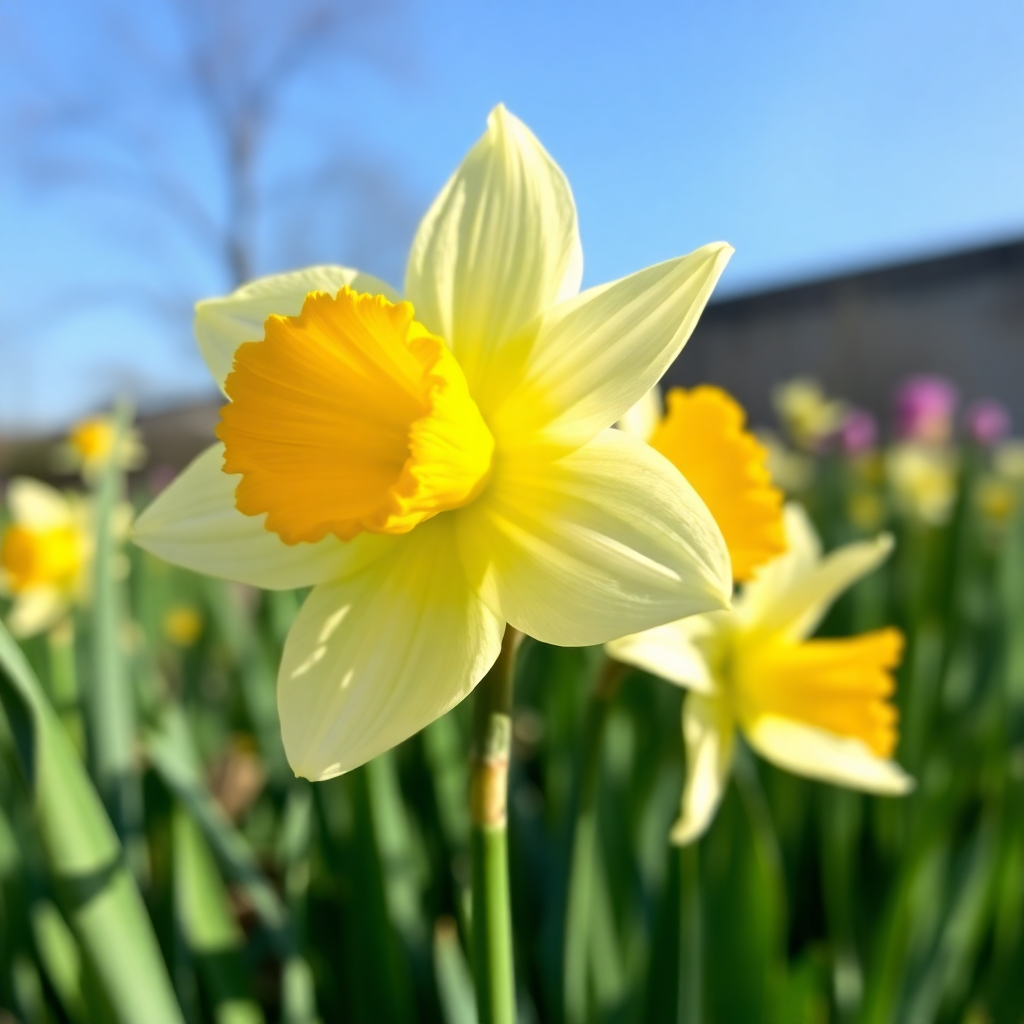
While the classic "King Alfred" yellow is the most recognizable, there are over 50 species and thousands of varieties. From the delicate, multi-headed paperwhites to those with soft peach or vibrant orange centers, they bring a multi-dimensional texture to any landscape.
Their resilience is legendary; these hardy perennials are often the first to push through the thawing frost, standing tall against the unpredictable winds of early spring.
Symbolism and Sentiment Beyond their botanical beauty, daffodils carry deep cultural significance. Because they emerge as the earth wakes up, they are the universal symbol of rebirth and new beginnings.
In many cultures, they represent hope and joy. They are the official birth flower of March and the traditional gift for a 10th wedding anniversary.
Interestingly, folklore suggests that a single daffodil can foretell misfortune, so always gift them in a bunch—a gesture said to ensure happiness and good fortune for the recipient.
The Low-Maintenance Garden Star For the home gardener, daffodils are a dream. Planted as bulbs in the autumn, they require very little maintenance once established. Highly resistant to deer and rabbits, they are the perfect "set it and forget it" flower.
Whether they are swaying in a wild meadow or brightening a kitchen vase, daffodils remind us of a simple truth: no matter how long or dark the winter, spring always returns.