The Hyacinth: A Fragrant Burst of Spring in Every Garden
When the first warm breezes of April start to stir, the hyacinth is often the first herald of spring’s arrival. With its dense, bell‑shaped blossoms and intoxicating perfume, this modest bulb has earned a place in cottage gardens, indoor pots, and even high‑end floral arrangements.
Yet beyond its pretty faces, the hyacinth carries a rich history, surprising horticultural tricks, and a few care secrets that can turn any novice into a confident grower.
A Quick History Lesson
Native to the Mediterranean basin, the hyacinth (genus Hyacinthus) was cultivated by the Greeks and Romans not only for its scent but also for its supposed medicinal properties.
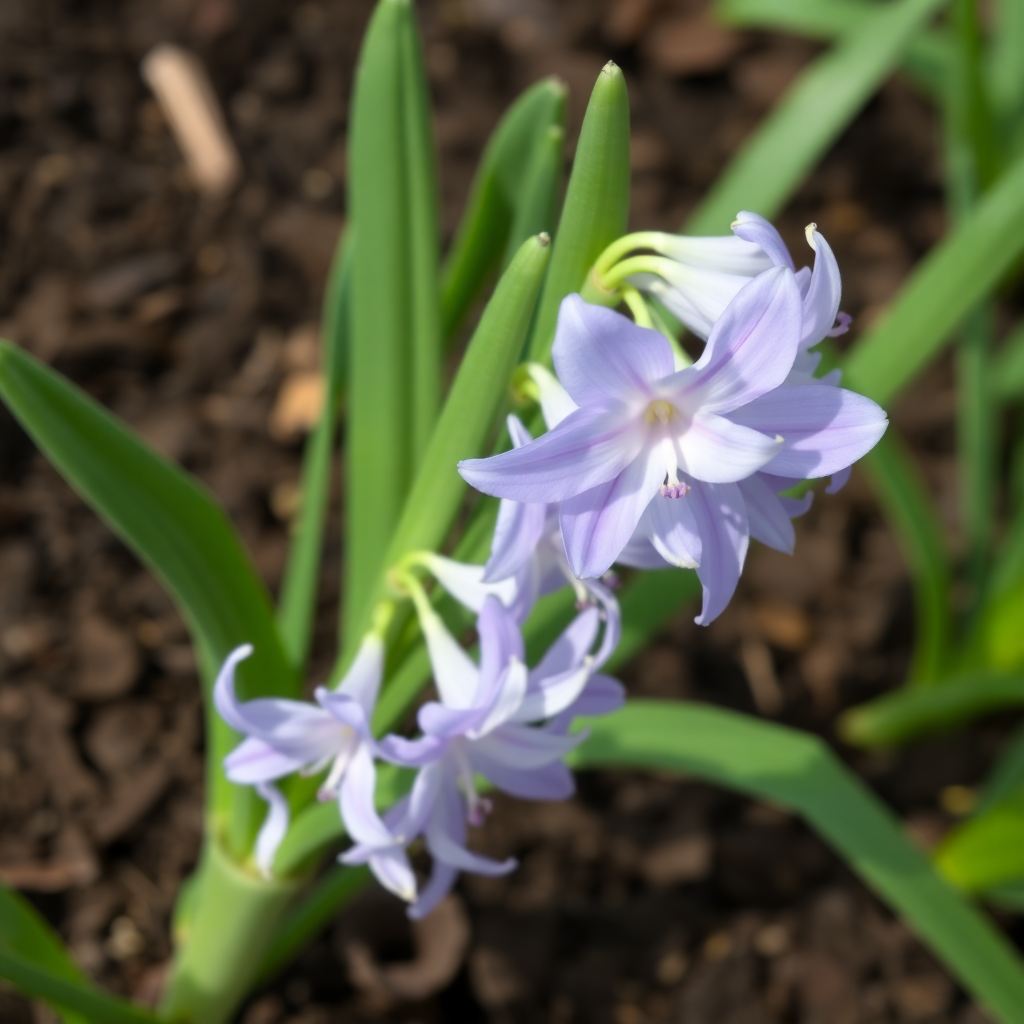
By the 16th century, Dutch growers perfected bulb cultivation, and the flower soon became a staple of the famous “tulip mania” era. Today, the Royal Horticultural Society lists over 60 registered cultivars, ranging from the classic deep violet ‘Blue Moon’ to the buttery yellow ‘Cactus’ that thrives in containers.
Why the Hyacinth Stands Out
- Fragrance Power – One flower can release enough volatile oils to scent an entire room for weeks.
- Color Punch – From pastel pinks and blues to bold reds, the spectrum is surprisingly wide for a single species.
- Versatility – Plant it outdoors in well‑drained beds, or keep it indoors in a decorative pot for a winter‑time pop.
Growing Tips for a Thriving Display
| Step | What to Do | Why It Matters |
|---|---|---|
| Choose the Right Bulb | Pick firm, plump bulbs 2–3 inches in diameter. | Larger bulbs produce more stems and stronger fragrance. |
| Plant at the Correct Depth | Bury bulbs 6–8 inches deep, pointy end up. | Proper depth protects from frost and encourages sturdy roots. |
| Mind the Soil | Use loamy, well‑draining soil with a dash of compost. | Hyacinths dislike soggy conditions; good drainage prevents rot. |
| Water Wisely | Keep soil evenly moist until shoots appear, then taper off. | Over‑watering after emergence can cause fungal issues. |
| Harvest for Cut Flowers | Snip stems early in the morning when buds are tight. | This preserves the vase life and maximizes scent. |
A Little Caution
All parts of the hyacinth contain oxalic acid and can be mildly toxic if ingested, so keep them out of reach of curious pets and children.
Final Thoughts
Whether you’re aiming for a fragrant hallway, a colorful flower border, or a DIY spring centerpiece, the hyacinth delivers elegance in a compact package. With a bit of planning and the right care, this classic bulb can transform any space into a scented sanctuary—reminding us that the simplest blooms often leave the biggest impression. Happy planting!