Blooming Elegance: A Beginner’s Guide to De Deutzia Flowers
If you’ve ever wandered through a garden and been greeted by a cascade of delicate, star‑shaped blossoms, chances are you were standing beneath a De Deutzia shrub.
Belonging to the Hydrangeaceae family, these deciduous perennials have earned a reputation for their effortless charm, hardiness, and versatility. Whether you’re a seasoned horticulturist or a first‑time gardener, De Deutzia offers something for every landscape.
A Quick Botanical Snapshot
- Genus & Species: Deutzia (≈ 60 species, dozens of cultivars)
- Origin: East Asia (China, Japan, Korea) and parts of Europe.
- Growth Habit: Shrubs 3‑10 ft tall, with arching or upright branches that bear opposite, simple leaves.
- Flowering Time: Late spring to early summer (some varieties extend into midsummer).
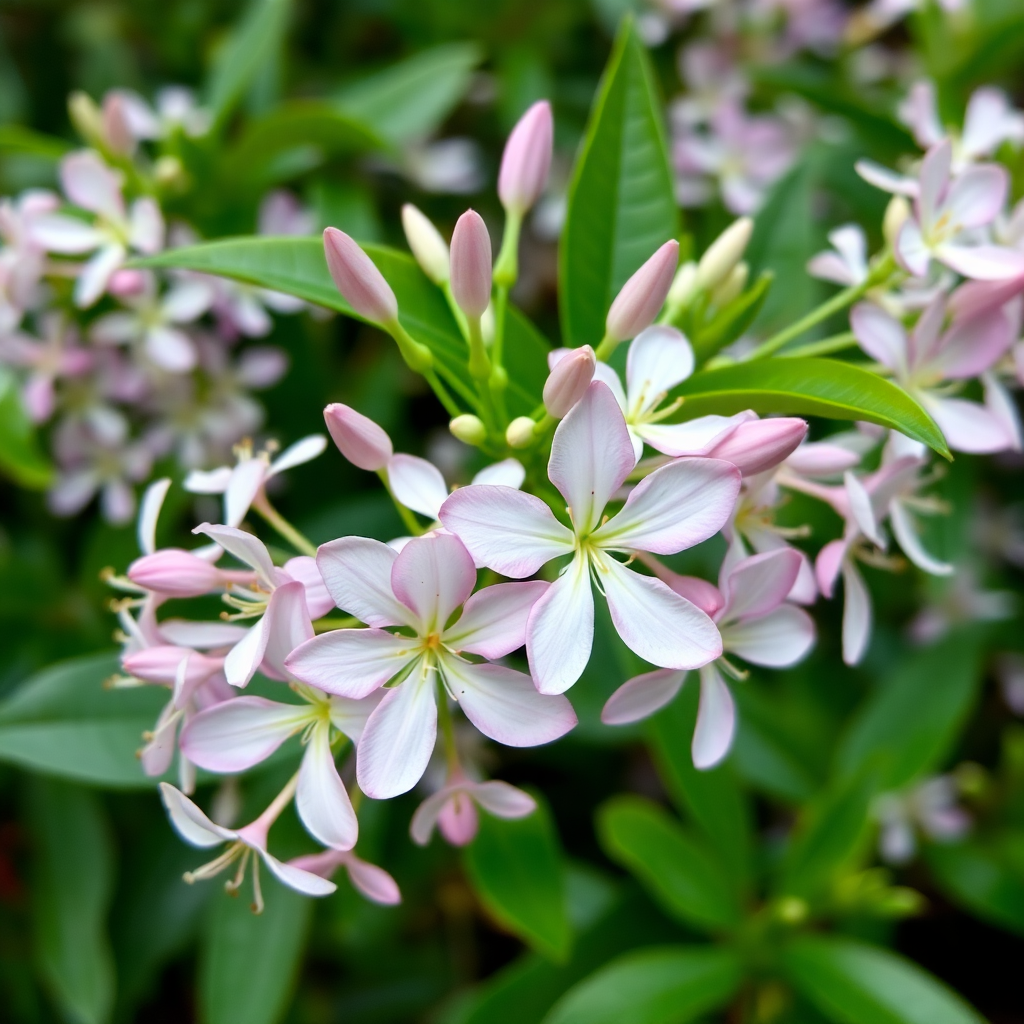
The most recognizable feature is the profuse clusters of five‑petaled, cup‑shaped flowers, ranging from pure white to soft pink, lavender, or even deep violet. Their subtle fragrance—often described as “fresh‑cut linen”—adds an auditory component to the visual feast.
Why De Deutzia Deserves a Spot in Your Garden
Low Maintenance: Once established, De Deutzia tolerates a wide range of soil types, from loamy to slightly clayey, provided it drains well. It thrives in full sun to light shade, making it adaptable to various garden microclimates.
Seasonal Interest: In addition to its vibrant blooms, many cultivars develop attractive exfoliating bark in winter, while the foliage turns a warm amber or copper in fall.
Pollinator Magnet: The nectar‑rich flowers attract bees, butterflies, and even hummingbirds, supporting local biodiversity.
Design Flexibility: Use it as a hedge, a backdrop for roses, or a standalone focal point. The airy habit also works beautifully in mixed borders, cottage‑garden settings, or as a low‑maintenance privacy screen.
Planting & Care Tips
Site Selection: Choose a sunny location
with at least 6 hours of direct light. Light shade is permissible, but fewer blooms may result.
Soil Preparation: Amend heavy clay with compost or well‑rotted leaf mold to improve drainage. A pH of 6.0‑7.5 is ideal.
Spacing: Allow 3–4 ft between plants for air circulation, which helps prevent powdery mildew—a common issue in overly humid conditions.
Watering: Keep the root zone evenly moist during the first growing season. Once established, De Deutzia is drought‑tolerant, though occasional deep watering during prolonged dry spells encourages a fuller bloom display.
Pruning: After flowering, prune back 1/3 of the oldest stems to a healthy bud. This encourages vigorous new growth and maintains a compact shape. Avoid heavy pruning in late summer, as it may reduce next year’s flower set.
A Few Favorites to Consider
Cultivar |Height Bloom Color |Notable Feature
-|-
‘Pink Sensation’ |4 ft Soft pink |Strong fragrance
‘Pride of Madeira’ |5 ft White |Exceptional disease resistance
‘Nikko’ |8 ft |Lavender‑blue Tall, ideal for hedging
‘Candidissima’ |6 ft Pure white |Abundant, double‑layered blooms
Final Thoughts
De Deutzia may not command the same headline attention as roses or peonies, but its understated elegance, resilience, and ecological benefits make it a true garden workhorse. By selecting the right cultivar, providing basic soil and sunlight requirements, and giving it a modest annual prune, you’ll be rewarded with a stunning, low‑effort display year after year.
So the next time you sketch a garden plan, consider threading a line of De Deutzia through the design. Your garden—and the pollinators that visit it—will thank you. Happy planting!