The Enchanting Duality of Foxglove Flowers
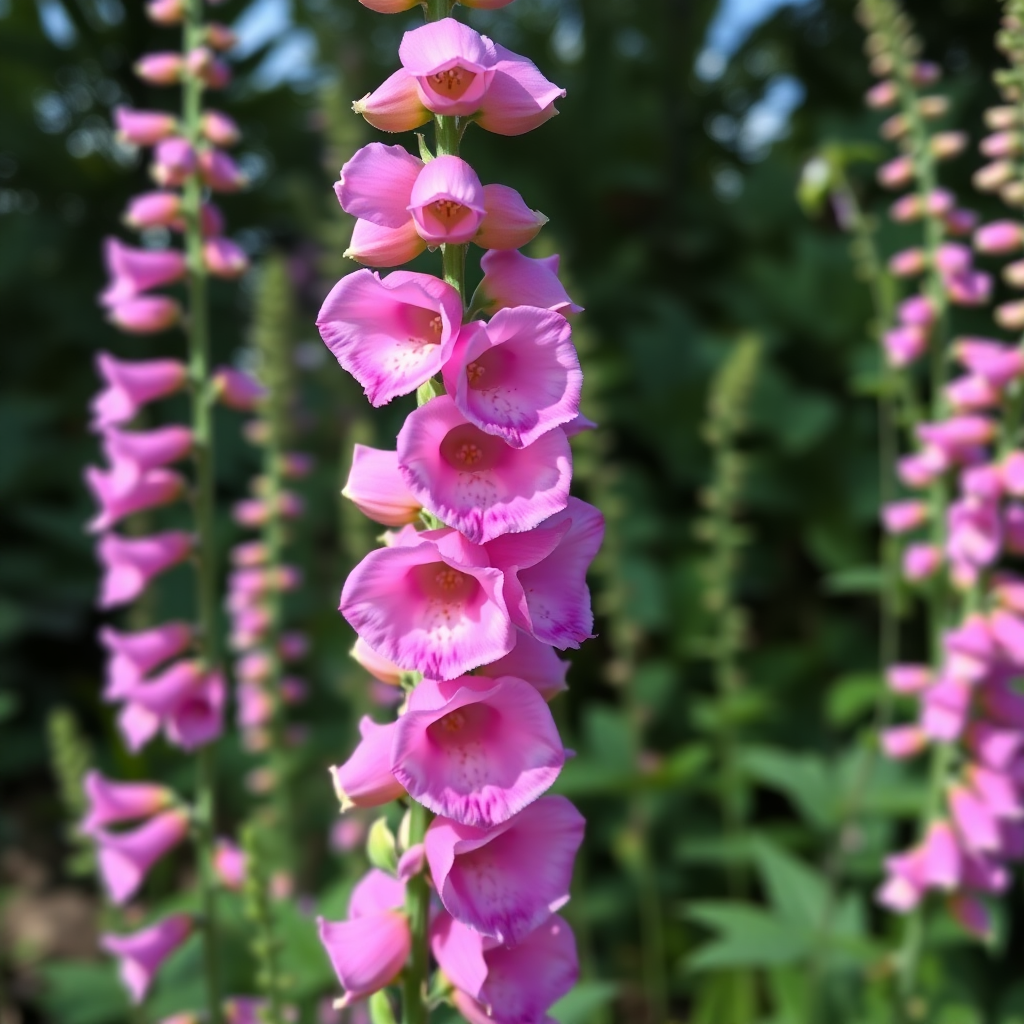
Foxglove flowers, with their elegant spikes of tubular blooms, seem to dance in the breeze like nature’s own lanterns. Yet behind their beauty lies a hidden danger, making them a compelling symbol of life’s delicate balance.
These flowers, scientifically known as Digitalis, thrive in the UK and across Europe, where their striking pink, purple, or white petals catch the eye of gardeners and wanderers alike. But their allure isn’t just visual—it’s steeped in both folklore and science, blending poetry with peril.
A Botanical Masterpiece
Foxgloves belong to the Plantaginaceae family and are named for their glove-like shape that fits snugly over a finger. Native to woodlands and meadows, Digitalis purpurea often grows in partial shade, its towering stalks reaching heights of up to six feet.
The plant’s biennial nature means it may lie dormant in its first year, storing energy before bursting into a spectacular bloom in the second. Its spongy, velvety leaves and nectar-rich flowers attract pollinators like bees and moths, making it a welcome addition to cottage gardens.
Poison and Panacea
Every part of the foxglove is toxic, containing cardiac glycosides that can induce arrhythmia or even death. This toxicity, however, is a double-edged sword. For centuries, the active compounds in foxglove, such as digitoxin, have been harnessed in medicine to treat heart conditions.
Modern science has refined these uses, transforming raw plant extracts into controlled pharmaceuticals. Yet this duality serves as a warning: foxgloves must never be touched or ingested without expert guidance.
A Legacy of Lore
Foxgloves are steeped in myth. Their name allegedly derives from old tales of witches using the flowers to “glove” foxes, blinding their vision to aid in hunting. In contrast, some folklore views them as protectors against evil, while others associate them with death’s visit. Their presence in literature, such as J.R.R. Tolkien’s The Lord of the Rings, only adds to their mystical aura.
Respecting Nature’s Balance
Foxgloves remind us that beauty often masks complexity. Whether admired for their role in medicine, their ecological value, or their storied past, these flowers demand respect. They challenge us to appreciate nature’s duality—where poison and healing, myth and science, intertwine.
So the next time you encounter a foxglove, pause to admire its beauty, but remember: even the gentlest bloom can hold a lesson in caution. 🌿