👉 95% of the Internet Runs Under the Ocean — And Countries Are Fighting Over It 🌐
Introduction
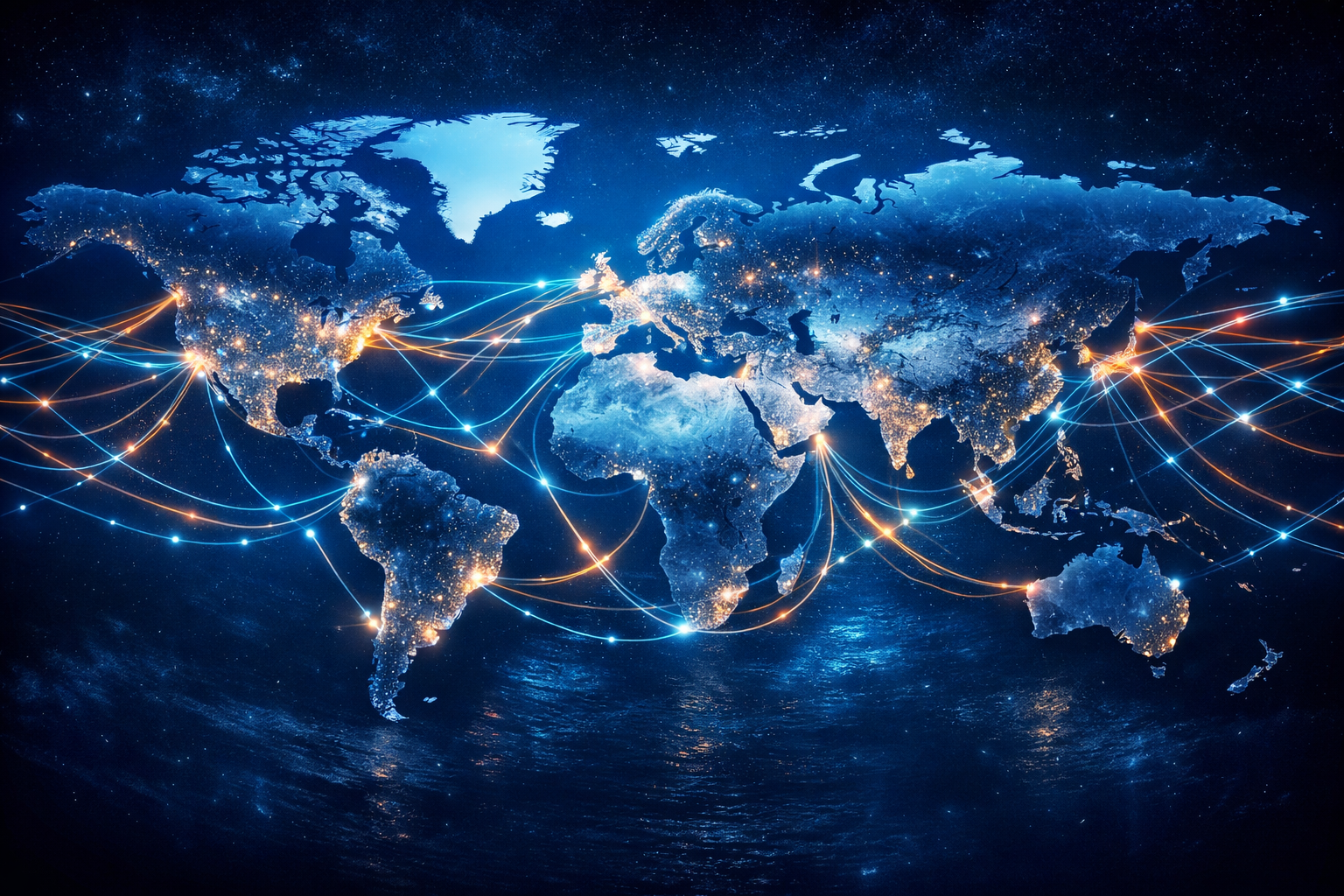
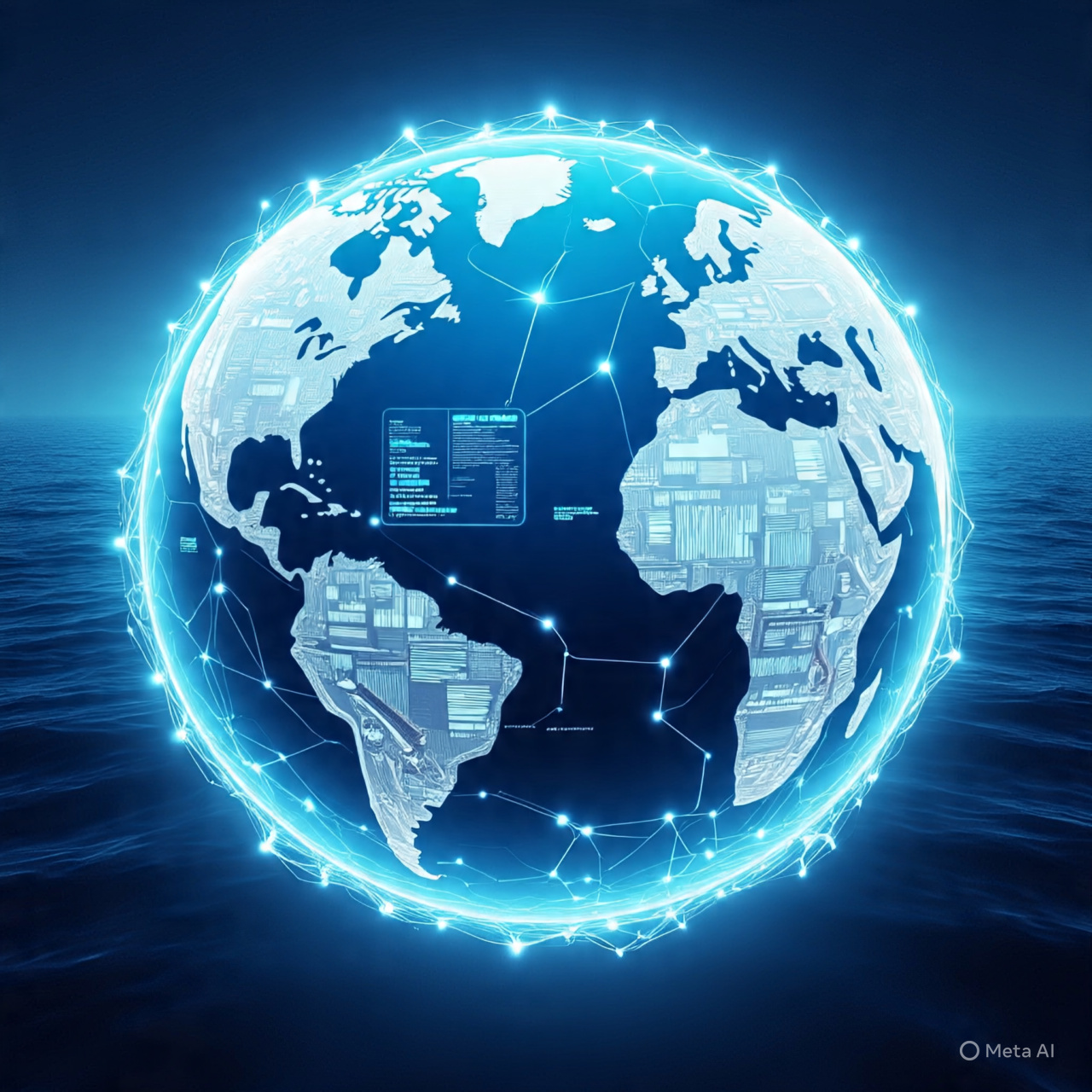
Image Prompt
Earth viewed from space at night, glowing data lines connecting continents across oceans, digital global network visualization, futuristic technology concept, blue glowing lines representing internet traffic, ultra detailed, cinematic lighting, 4K
In today’s digital world, almost everything depends on the internet — social media, banking, business, communication, and cloud services. However, very few people know that about 95% of international internet traffic does not travel through satellites, but through cables laid deep under the ocean.
These undersea internet cables are the backbone of modern global communication. Because of their importance, major world powers are now involved in a silent geopolitical competition to control and protect this critical infrastructure.
What Are Undersea Internet Cables?
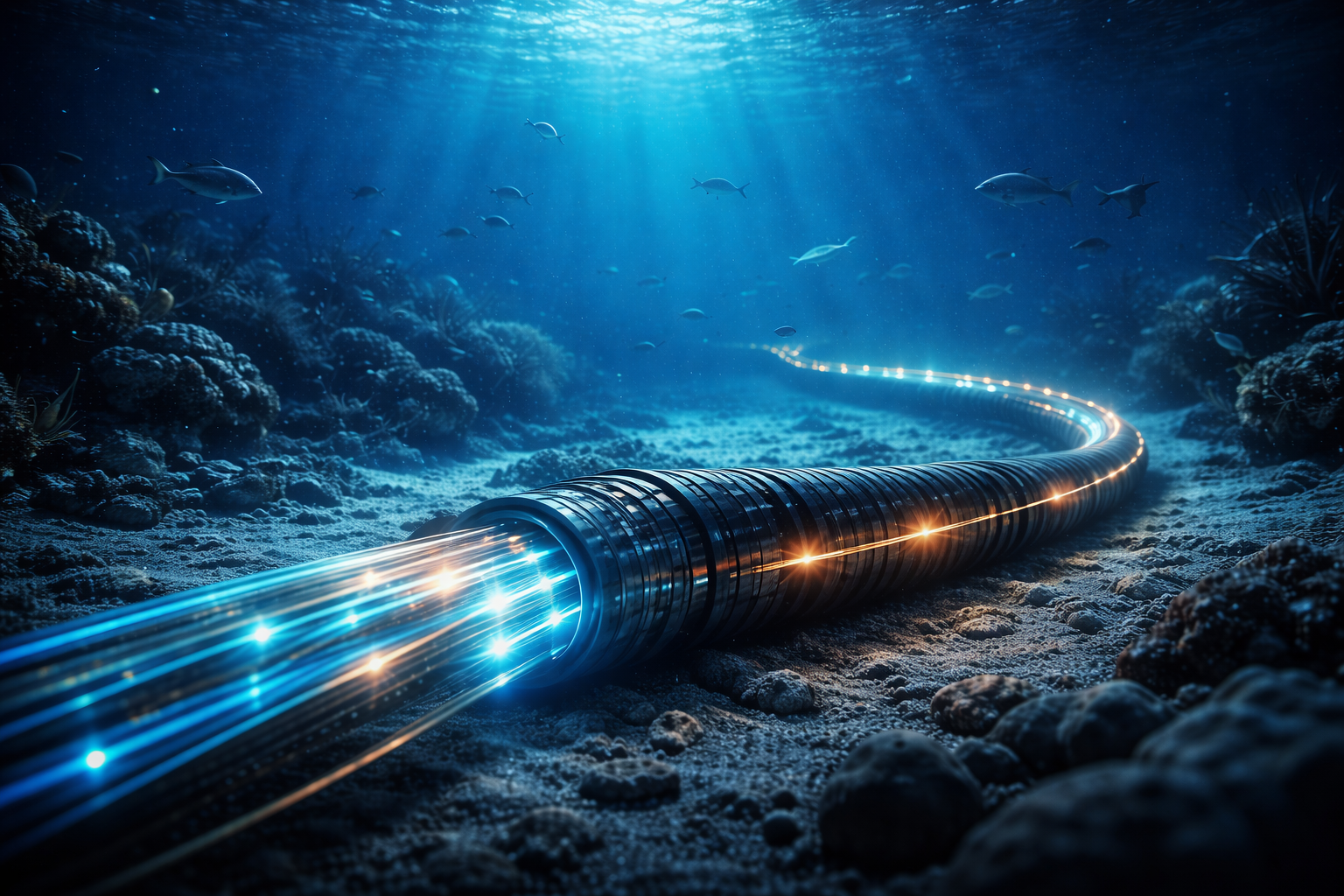
Undersea cables are fiber-optic cables laid across the ocean floor to connect continents.
These cables:
• Stretch for thousands of kilometers across the seabed
• Transmit data in the form of light signals
• Carry emails, video calls, banking transactions, and cloud data
If these cables were suddenly disrupted, a large portion of the global internet could stop functioning.
Why These Cables Are Geopolitically Important
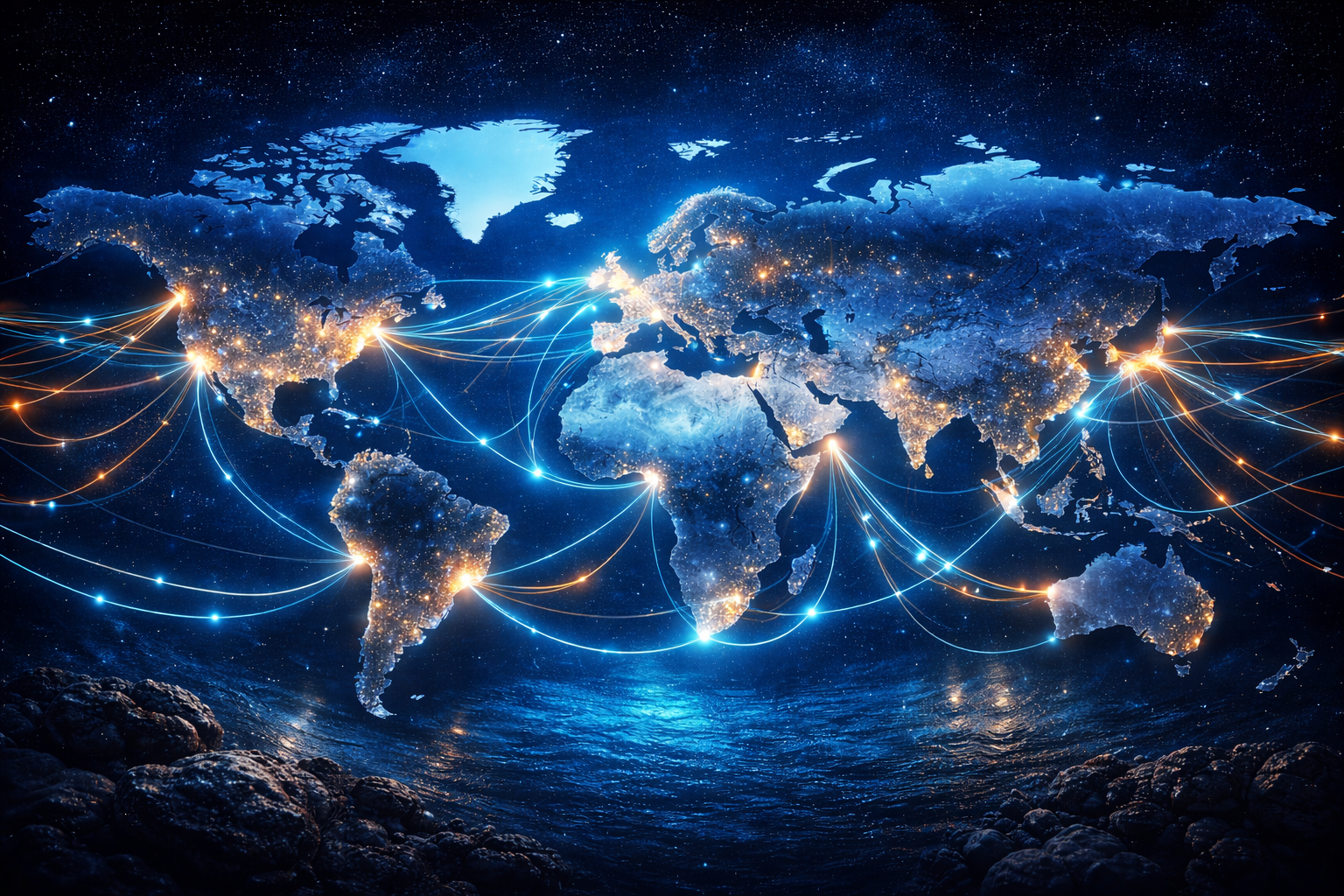
Undersea cables are not just technological tools — they are also strategic geopolitical assets.
Countries compete over them for several reasons:
1️⃣ Information Control
Countries that control cable infrastructure may have the ability to monitor or influence data flows.
2️⃣ National Security
In times of conflict, damaging cables could disrupt international communication and digital operations.
3️⃣ Economic Power
Global financial markets, online trade, and digital economies rely heavily on these networks.
For this reason, major powers are investing billions of dollars in new cable projects and security systems.
The Growing Rivalry: US vs China
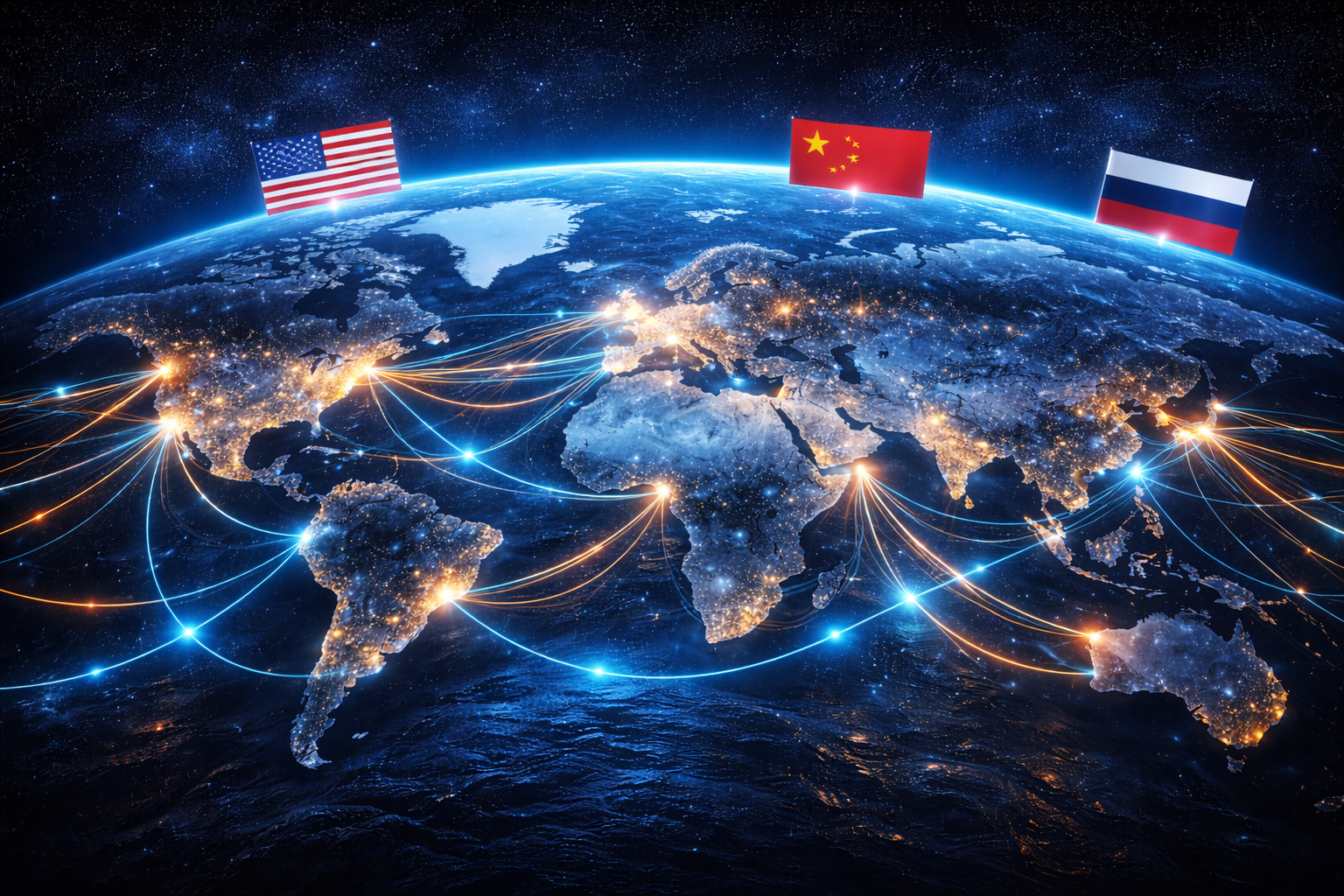
Today, many undersea cable projects are influenced by strategic competition between the United States and China.
Both countries:
• Support their technology companies in building cable networks
• Invest in strategic landing stations across the world
• Raise concerns about cybersecurity, surveillance, and data control
Some analysts even describe this competition as a “Digital Cold War.”
The Risk of Sabotage
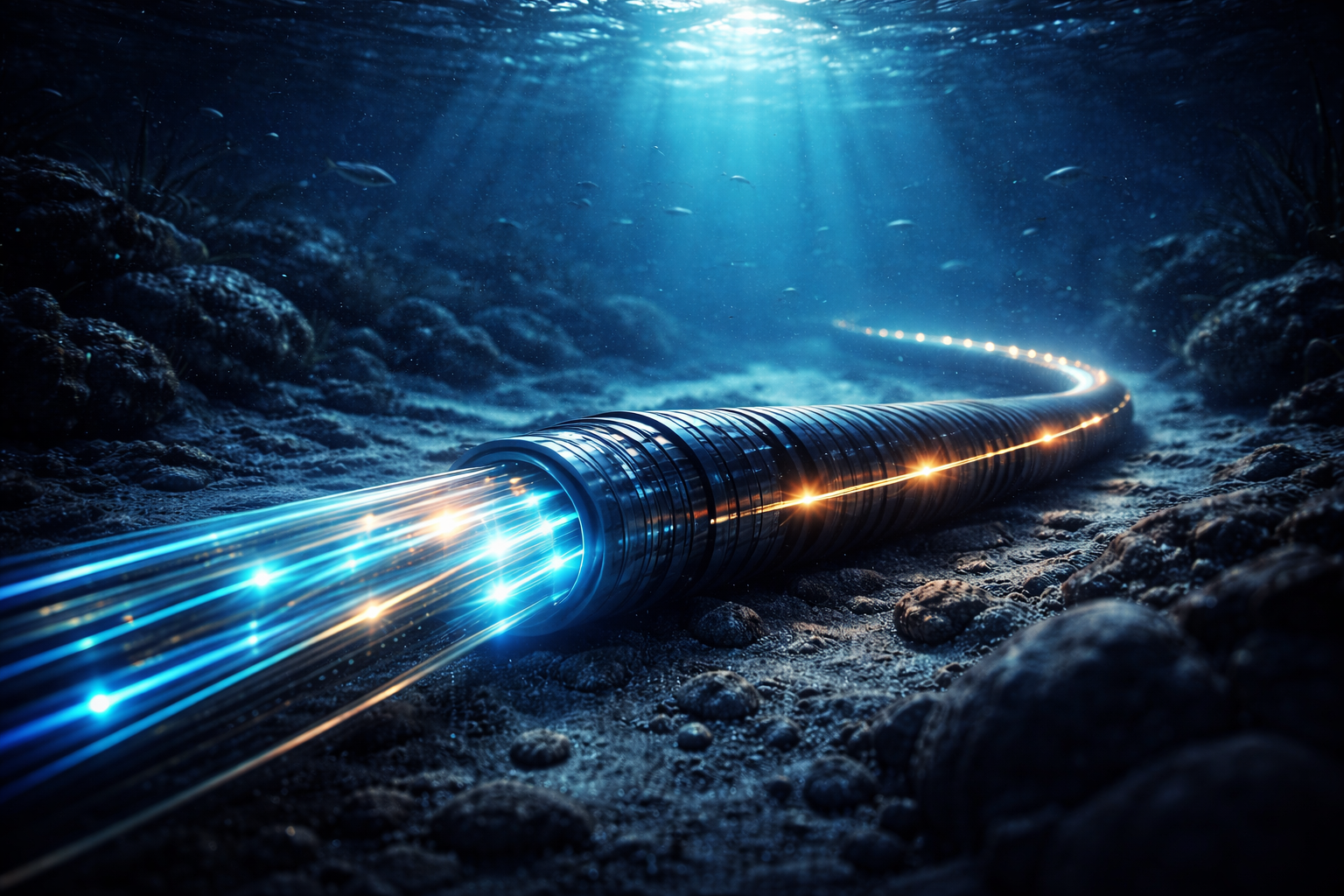
Experts warn that undersea cables could also become targets during geopolitical tensions.
Possible risks include:
• Accidental damage from fishing vessels
• Natural disasters such as earthquakes
• Deliberate sabotage or espionage operations
Because of these threats, many countries are developing naval monitoring systems and cable protection strategies.
Why This Matters for the Future
As the world enters the era of artificial intelligence, cloud computing, and digital economies, the importance of internet infrastructure will only increase.
In the future:
• More cables will be installed across the oceans
• Cybersecurity and physical protection will become critical
• Digital infrastructure may become a central issue in global geopolitics
Conclusion
Many people think the internet mainly relies on satellites or wireless networks. In reality, the backbone of global connectivity lies in thousands of cables hidden beneath the oceans.
Control over this infrastructure is quietly becoming one of the most important geopolitical competitions of the 21st century.
Question for Readers 💬
1 In your opinion, which will be more powerful in the future: control over data or traditional military power?
2 Do you think the world is entering a digital infrastructure race?
3 Should undersea cables be protected like critical military infrastructure?
Share your thoughts in the comments!