Green Wall Art: Bringing Nature-Inspired Decor and Calming Artwork into Modern Interiors
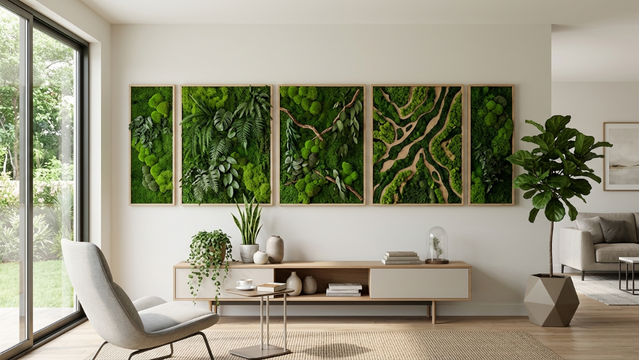
There is a reason people feel better around trees, near water, and in gardens. The human nervous system has spent far longer in natural environments than in built ones, and that history does not disappear simply because we now spend most of our time indoors. Interior designers and environmental psychologists have understood this for years, which is why the movement to bring nature into living spaces continues to grow. At the heart of this movement sits art: specifically, green wall art that channels nature-inspired decor into modern living spaces. From soft sage botanicals to deep forest abstracts, this category of wall art has become one of the most consistently searched and purchased in contemporary interior design.
The attraction goes beyond mere aesthetics. Green wall art has more dimensions to it; it pleases the eyes, serves an emotional purpose, and helps bring the immediate surroundings into connection with a greater and more ancient world than any modern trend. Whatever setting you are decorating, be it a bedroom, wellness studio, or hotel space, knowing the significance behind green-hued and nature-inspired art is key.
The Psychology of the Color Green in Interior Design
Green has been a color proven to be among those most conducive to restoration for interior designers. While red inspires an urgent stimulus response in people and blues inspire a distant or detached attitude toward what is being observed, green rests comfortably in the middle ground, providing a tone that is easily perceived by the human eye. Green lies right in the middle of the light spectrum, meaning the eye does not have to make adjustments in order to properly see it.
From a cultural and psychological standpoint, the connotations of green include growth, restoration, and the comfort that comes from seeing something alive. This is not mere imagination but rather stems from thousands of years of human experience, during which green meant safety, water, sustenance, and protection. Green wall art makes use of this wealth of symbolism without the need for a conscious understanding on the part of the viewer.
Color choice is critical in the process. Rich forest colors can be used to convey a feeling of richness and enclosure which suits private settings such as study rooms and dining halls. Colors in sage and eucalyptus range towards the soft and gray side and complement minimalist designs. Vibrant botanical greens inject the room with life where there would otherwise be dullness. Different shades of color will serve different purposes; thus, the ideal wall art pieces should depend on the atmosphere of the room.
Biophilic Design and the Rise of Nature-Inspired Decor
Biophilic design involves the integration of natural materials in the built environment for the benefit of the health of the occupants. This theory was developed by biologist E.O. Wilson in his concept of biophilia, which refers to the innate connection between humans and other organisms. Biophilic design as a branch of architecture and interior design has evolved from being a minor academic pursuit to a major commercial undertaking in the last twenty years.
The incorporation of décor that is inspired by nature falls under biophilic design. Examples of biophilic design include living walls, wooden walls, stone flooring, natural fibers, indoor greenery, and other natural elements. Where such design elements cannot be used due to cost reasons, artwork inspired by nature and painted in nature-like colors will suffice. The easiest way of incorporating this is through green wall art, which is a reflection of nature's beauty using colors and forms.
Interior designs that incorporate biophilia have been proven to bring about certain positive impacts such as lowering anxiety levels, quick recovery time in hospitals, better focus and creativity in work places, among others. Well-designed green wall art plays an important role in ensuring that these benefits are gained, hence the reason why it has become common in well-being interior designs.
Popular Green Wall Art Styles for Modern Interiors
However, the range of styles represented within this category of artwork is wide enough for every interior direction to benefit from them. Below, one can find the styles used most frequently in the current interior design projects.
Abstract Botanical Art
Botanical abstractions render the form and color found in the plant world without representing any particular leaf or flower. The application of green hues in layers along with natural-looking curves and gestures creates a dynamic that works especially well for modern decorating where representation is not always necessary. Such works function well in a living space or creative environment where expression is an important design element.
Classic Botanical Prints
Drawing their inspiration from the practice of botany in the eighteenth and nineteenth centuries, these artworks show finely detailed plant renderings, set against the backdrop of white or cream tones. These prints come across as scholarly and serene, and work well in any setting that is either classic or modern. Botanical prints in identical frames will instantly create a curated look in your hallways or dining room spaces.
Landscape and Forest Art
Greeneries in landscape art paintings, such as those featuring fog-filled forests, expansive meadows, or even intimate images of woods, bring a sense of immersion to viewers that is uncommon in other types of paintings. These paintings serve like windows; they help create a sense of depth for a room and allow the eyes someplace to rest. Landscape art printings are especially suitable for feature walls.
Minimalist Organic Patterns
A more subdued option includes minimalist works where the organic form is reduced to basic shapes: the leaf, the branch on a light background, or abstract form that alludes to but does not represent growth. Such paintings would be perfect for Scandinavian-inspired interiors, and the simplicity of their composition grants them the greatest versatility when paired with other artwork.
Step-by-Step Guide to Selecting Green Wall Art for Different Rooms
- Establish room purpose and ambiance: Bedrooms should incorporate more mellow green hues with subtle compositions. Living rooms are able to handle more vibrant botanical images or large landscape paintings. The office environment would thrive on middle tones of green colors.
- Consider existing color scheme: Determine which colors you have dominating your wall surfaces, floors, and furniture. Walls that have cool grays or blues will look good with sage, eucalyptus, and blue-green paintings. A warm colored wall in brown tones will look good with olive, moss, or forest greens.
- Select proper scale: Natural art décor can create disturbance when improperly incorporated into a space. Larger walls should have significant prints or paintings that occupy the entire wall space. Medium sized walls should have one print that has plenty of negative spaces around it.
- Think about style consistency: Consistency in the style of the botanical art is essential when you want to fit into the existing room environment. Classical botanical prints can be used in heritage-style and transitional settings, whereas abstract botanical art works well in contemporary and eclectic rooms.
- Hang with purpose: The use of natural wood frames will emphasize the organic nature of botanical prints. Minimalist black or white frames create gallery-like finishes for modern interior art. Hang at eye level, giving appropriate space between artworks, without filling up every inch of the wall.
Green Wall Art Across Different Living and Working Environments
Living Rooms and Dining Areas
For living rooms, having a big green canvas painting above the sofa makes it not only the focal point but also an anchor emotionally for the room. In dining rooms, using artwork that has forest green hues makes a relaxing environment where meals allow people to talk leisurely. Olive or hunter green colors are particularly effective for dining rooms since they add depth without weight.
Bedrooms and Wellness Spaces
Sage green, eucalyptus green, and pastel botanical patterns are just some of the most successful choices when designing bedrooms where the main intention is good rest and stress recovery. Green art pieces that allude to the process of plant development can be very successful in yoga and meditation rooms or relaxation zones in spas – like vine patterns, individual fern leaves, or even abstract organic designs.
Offices and Hospitality Environments
The trend towards nature-oriented designs in modern offices has gained considerable momentum, as it helps enhance the well-being and productivity of employees through natural elements in decor. Botanical and green landscapes used as images within meeting rooms, receptions, and open office spaces alleviate visual stress, making it easier for people to concentrate on complex mental processes. The hospitality industry uses green wall art in order to generate a desired atmosphere and convey design ideas.
Key Benefits of Incorporating Calming Artwork into Modern Interiors
- Emotional recovery: Green wall art and botanical prints offer opportunities for vision rest, allowing the nervous system to relax. When working under stressful conditions, this property of nature art is not a luxury; it is an essential one.
- Flexible design compatibility: Green hues of nature paintings can be combined with almost any interior palette; from traditional beige and wooden shades to modern gray and white colors. Thus, such art works well in many cases and is among the most versatile options one may choose when decorating.
- Intricacy and richness: Botanical artworks and landscape paintings bring extra layers into space. Contrary to geometrical abstract images, botanical prints become even more interesting over time due to the variety of natural elements involved.
- Timeless rather than seasonal: Nature art including both green wall art and botanic paintings has always been used in interior decorating throughout all historical periods and cultures. This kind of art is never seasonal or trendy; choosing botanical prints is making an investment in future.
Nature-Inspired Interiors Versus Traditional Decorative Approaches
The typical approach to interior decorating has tended toward the creation of a striking visual display, or perhaps more commonly to the representation of culture or status through wall art that might be either visually compelling, colorful, or simply filling up the wall space with something identifiable.
Nature-based interior decorations and wall paintings, on the other hand, have taken quite an opposite direction. Instead of starting with the idea of creating a visually appealing display for its own sake, they start with asking the fundamental question of what happens when we view certain art. It is evident from environmental psychology that art that depicts nature is experienced quite differently from other types of wall art.
This functional dimension of art selection is also at the heart of discussions around how diptych wall art and functional design principles can work together in modern interiors. The idea that art should do something beyond occupy space is becoming central to how design-conscious consumers and professional decorators think about their choices. Green wall art sits at the intersection of beauty and function in a way that few other decorative categories can claim.
Future Directions in Sustainable Design, Biophilic Living, and Wellness-Focused Interiors
A number of overlapping trends indicate that the use of nature-inspired decor and green wall art will only increase over time in the coming years.
The concept of wellness real estate is being developed as its own form of investment asset. Real estate projects are increasingly being promoted for their ability to promote wellness through such factors as good air quality, sunlight exposure, soundproofing, and biophilic design, with the inclusion of art being an integral component of such projects.
The sustainability trend is also contributing to the popularity of nature-based aesthetics. In the light of increased consumer consciousness about the relationship with the natural environment, the addition of artwork reflecting nature into one’s personal space acquires new significance. It is, in effect, an attempt at reconciling interior life with the values of environmentalism.
Lastly, there is the continuous expansion of the wellness economy – the economic sector encompassing health, fitness, mental well-being, and deliberate lifestyles as its components. The need for environments conducive to such values is increasing. Artwork that evokes calmness and nature is not a niche choice but rather an expectation from modern interior decor.
Conclusion: Balance, Beauty, and the Timeless Appeal of Nature-Inspired Art
This approach makes green wall art possible since it unites two elements that fit together well: the necessity for humans to enjoy visual aesthetics and our preverbal love of being close to nature. Botanical illustrations, green-themed abstracts, and landscape paintings are more than decorative choices. Rather, these types of art serve as environmental design solutions that change both the character of the interior as well as the experience of its inhabitants.
All the current evidence obtained by environmental psychologists, researchers in biophilic design, and experts practicing wellness architecture converge at one point – that designing rooms with nature-inspired decor will benefit their inhabitants. This is not an attempt to make a trend-based statement but rather a design-based argument. It stems from the way people actually react to built spaces surrounding them.
No matter if your choice is an abstract painting with shades of sage to decorate a bedroom wall or a massive piece with a forest scene in a living room, the basic concept is the same: allow nature into your life. Using art as a vehicle to achieve it, you will be able to get started easily thanks to an abundance of green wall art pieces available today.