The Future of Power Grid Simulation Trends - Shaping Next-Generation Test Systems
In an era of accelerating energy transformation, the future of power grid simulation is evolving rapidly. For utilities, grid operators, researchers, and equipment manufacturers alike, advanced power grid simulator technologies are no longer “nice-to-have” tools — they are essential engines driving innovation, resilience, and efficiency. As the global energy transition gains momentum with renewable integration, electrification of transport, and digital infrastructure upgrades, next-generation test systems are redefining how power systems are designed, analyzed, and validated.
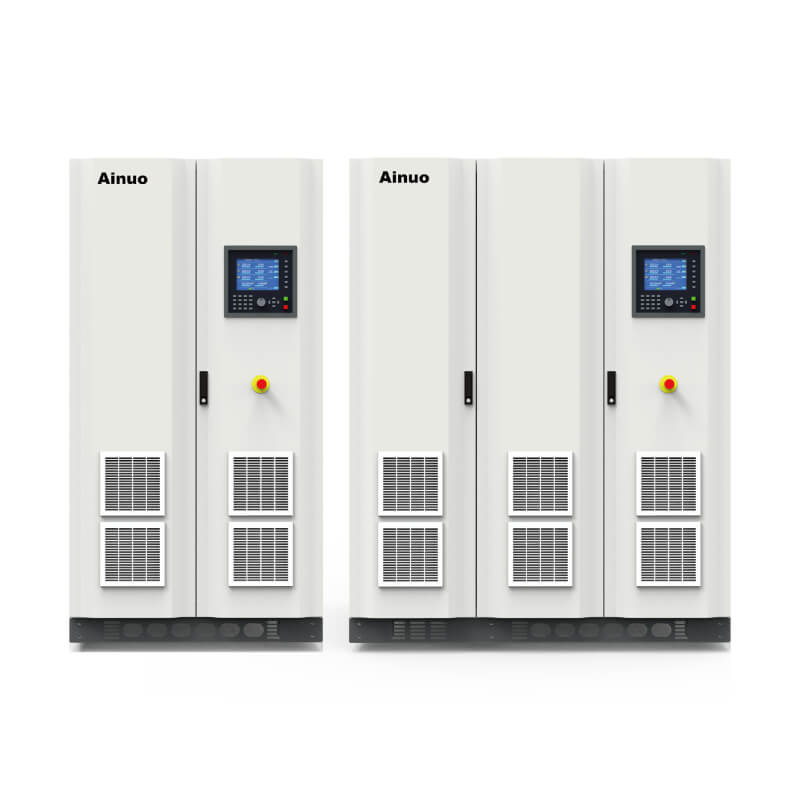
This blog post explores the major trends shaping the future of power grid simulation, their implications for stakeholders, and how backlink-worthy collaboration and innovation are positioning the energy sector for success.
Why Power Grid Simulation Matters
Before diving into future trends, it’s important to understand the foundational role that simulation plays in modern grid management.
Power grid simulation enables:
- Modeling of grid behavior under varied conditions
- Validation of equipment and system performance
- Predictive analysis for contingencies and extreme events
- Optimization of grid planning and operations
- Testing of control algorithms without risk to live systems
With grids becoming more complex due to distributed energy resources (DERs), microgrids, energy storage systems, and digital controls, simulation tools help stakeholders visualize difficult scenarios — if not impossible — to observe in real time.
Trend 1: High-Fidelity Digital Twins of Power Systems
One of the most influential developments in grid simulation is the rise of digital twin technology — virtual replicas of physical power system assets and networks.
Digital twins allow engineers and operators to:
- Simulate real-time operational conditions
- Predict component wear and failure
- Optimize maintenance and asset lifecycle cost
- Test software updates before deployment
Backed by real-time sensor data and advanced analytics, these high-fidelity models bridge physical and virtual environments. In the context of smart grids and IoT-enabled infrastructure, digital twins help cut operational risk and accelerate innovation cycles.
Why this matters: As utilities adopt more advanced grid architectures, digital twins are poised to become standard tools for asset management, resilience planning, and autonomous control systems.
Trend 2: Integrated Multi-Domain Simulation Platforms
Traditionally, power system simulation was confined to electrical networks. But modern grids interact dynamically with multiple domains:
- Communications networks
- Cybersecurity systems
- Market and economic dispatch models
- Environmental and weather data systems
- Electric vehicle (EV) charging infrastructure
Next-generation test systems are no longer limited to power flow or transient stability models. Integrated platforms support co-simulation across electrical, communication, and control domains, enabling a holistic view of grid behavior.
For example, simulating how a cyber attack could ripple through grid operations requires coupling electrical models with cybersecurity and control system simulations.SEO angle: “multi-domain co-simulation,” “cyber-physical power grid simulation,” and “holistic grid test environments” are key phrases gaining traction in research and industry discussions.
Trend 3: Real-Time Hardware-in-the-Loop (HIL) Testing
As renewable penetration increases and DERs proliferate, grid equipment and control algorithms must be tested under realistic conditions. Hardware-in-the-loop (HIL) simulation enables this by connecting real devices to simulation environments.HIL testing:
- Provides real-time response models
- Validates controller logic with physical devices
- Reduces testing time and risk compared to field trials
- Enables scalable evaluation of DERs and microgrid components
Next-generation HIL systems are more modular and scalable, allowing stakeholders to test full systems rather than isolated components.
This trend supports accelerated innovation cycles — for example, validating an inverter controller’s performance under simulated high-penetration solar scenarios before field deployment.
Trend 4: AI and Machine Learning Integration
Artificial intelligence (AI) and machine learning (ML) are transforming power grid simulation in profound ways:
- Pattern recognition in grid behavior and anomaly detection
- Predictive forecasting of load, renewable generation, and faults
- Optimization of control strategies through reinforcement learning
- Model reduction techniques that speed up simulation runtimes
By embedding AI into simulation workflows, engineers can generate more accurate predictions from large and complex datasets. AI-enhanced models also help automate calibration of simulation parameters and reduce manual modeling effort.
For example, AI can far more efficiently predict voltage stability issues under varying load and generation conditions than traditional techniques, which translates into better risk management.
Trend 5: Cloud-Native Simulation Platforms
The cloud is revolutionizing how power grid simulations are executed. Traditional compute-bound simulation tools often demand expensive hardware and limit collaboration.
Cloud-native platforms deliver:
- Scalable compute power on demand
- Collaborative access for global engineering teams
- Flexible licensing and deployment models
- Integrate data storage and version control into workflows
Cloud-based simulation also enables massive scenario analysis that would be impractical on local machines — a valuable capability when planning resilience against rare but high-impact events.
As utilities embrace digital transformation, Software-as-a-Service (SaaS) simulation offerings are expected to grow, democratizing access to advanced modeling tools.
Trend 6: Open Standards and Interoperability
Next-generation test systems thrive on open standards and interoperability. As more vendors enter the simulation ecosystem, standard data formats and APIs make it easier to integrate tools from different sources.
Key standards include:
- Common Information Model (CIM)
- Functional Mock-up Interface (FMI)
- Open simulation APIs for real-time data exchange
Open standards empower larger communities to collaborate on complex simulation challenges — from DER integration to grid-edge optimization.
Trend 7: Increased Focus on Cybersecurity Simulation
With grid digitalization comes heightened exposure to cyber threats. Simulation environments increasingly incorporate cybersecurity scenarios to:
- Test intrusion detection and mitigation strategies
- Evaluate resilience to malware and ransomware attacks
- Simulate attacks on control systems and protective relays
- Model human-in-the-loop response mechanisms
As energy infrastructure becomes more interconnected, cybersecurity simulation is critical for safeguarding grid reliability and public safety.
Looking Ahead: What’s Next?
The convergence of digital transformation, renewable energy growth, and distributed assets is redefining power grid simulation. The next decade will likely see:
- AI-augmented digital twins that self-learn from operational data
- Simulation ecosystems that blend electric, thermal, and economic models
- Real-time predictive tools embedded directly into grid operations
- Increased adoption of open-source simulation frameworks
- Enhanced visualization and AR/VR tools for interactive model analysis
These innovations will not only help utilities and researchers design better systems but also accelerate the global transition to resilient, efficient, and sustainable power networks.
Conclusion
The future of power grid simulation is bright and highly dynamic. As next-generation test systems evolve, they are becoming more integrated, intelligent, and indispensable. From cloud-native simulation environments to AI-driven digital twins and cybersecurity-aware platforms, these trends are reshaping how power systems are planned, tested, and operated.