How Can the Plant Hardiness Zone Map Help You Avoid Wasting Money on the Wrong Plants
Growing plants can be enjoyable, but it becomes frustrating when your plants fail without any clear reason. In many cases, the cause is simple. The plant may not be suitable for your climate. This is where the plant hardiness zone map becomes essential. By understanding what the map shows and how it applies to your area, you can avoid buying plants that will not survive in your garden.
Below, we will look into how this map works, why it matters, and how it can save you time, effort, and money.
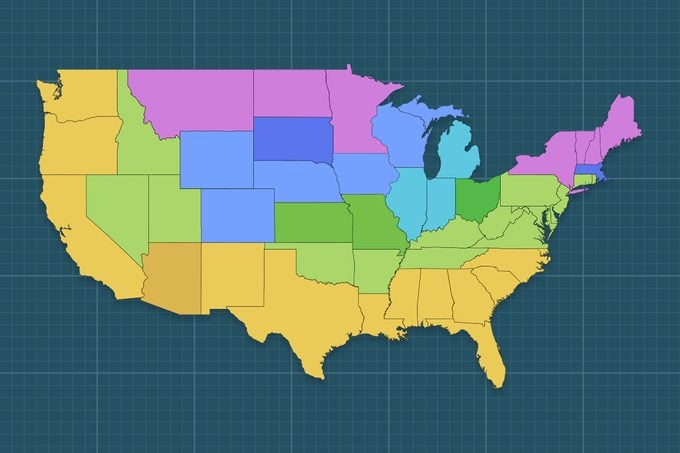
What Is a Plant Hardiness Zone Map?
The plant hardiness zone map is a tool used to identify the temperature range of a specific region. It divides areas based on the average lowest winter temperature recorded over several years. Each zone has a number, and each number represents a temperature range.
For example, if you live in Zone 9, your lowest winter temperature will usually fall within a particular range. This helps you choose plants that can handle those conditions. If a plant is rated for Zone 4 and you live in Zone 9, it may struggle because your climate is too warm. Similarly, a plant made for Zone 9 will not survive freezing winters in Zone 4.
Why This Map Matters for Your Garden
If you buy plants that cannot handle your zone’s temperature, they will fail at some point in the year. You may water them correctly, feed them well, and care for them properly, but they will still die. The failure will usually happen during extreme cold or extreme heat.
By checking the plant hardiness zone map before buying plants, you can match the plant’s needs with your climate. This helps you avoid repeating the cycle of buying, planting, and losing plants due to temperature issues.
How the Map Helps You Save Money
Gardeners often lose plants because they choose varieties that cannot survive their climate. These losses lead to repeated purchases and wasted time. The map helps you prevent this problem by pointing you to plants that have a high chance of surviving year after year.
Here is how the map helps you avoid unnecessary spending:
It helps you choose plants that fit your climate.
You can look up your zone and check plant labels or descriptions to find which ones are suitable.
It prevents unexpected seasonal failures.
Plants may look healthy for months and then suddenly decline. This usually happens during the winter or peak summer months. If the plant cannot handle your temperatures, the decline is unavoidable.
It guides long term planning.
Some plants take years to grow. If you pick plants that are not meant for your zone, you may lose years of progress. Choosing plants rated for your zone keeps long term projects safe.
How to Find Your Zone
Finding your zone is simple. You can search online for the plant hardiness zone map and enter your location. The map will highlight your zone number. Once you know this number, you can keep it in mind whenever you buy seeds, shrubs, trees, or flowers.
Most plant labels include zone information. You can check whether the plant matches your zone. If the label does not show the rating, you can quickly look it up on a gardening website.
Using the Zone Map Alongside Other Factors
The plant hardiness zone map is helpful, but it should be used along with other considerations. Temperature is critical, but you must also check factors like sunlight, soil type, humidity, and rainfall.
For example, a plant may survive your winter temperatures but may fail in strong sunlight or compact soil. By combining zone information with basic garden conditions, you can pick plants that stand a strong chance of growing successfully.
Mistakes Gardeners Make With Zone Ratings
Sometimes gardeners ignore the zone information because the plant looks healthy at the store. This can be misleading. Garden centers often keep plants in protected environments. Once you take them home, they must face natural conditions.
Another common mistake is assuming that plants will adapt. Some hardy varieties do adapt, but many plants cannot adjust to temperatures outside their range. If a plant is meant for warmer climates and you live in a colder zone, it will eventually fail regardless of care.
Why the Map Is a Reliable Guide
The plant hardiness zone map is based on years of temperature data. This makes the information consistent and dependable. While weather patterns may shift slightly from year to year, the general temperature range of a region stays steady enough for accurate zone classification.
Because of this, gardeners can rely on the map as a strong starting point for plant selection.
Conclusion
The plant hardiness zone map is a practical tool that helps you avoid wasting money on plants that cannot survive in your climate. By understanding your zone and checking plant ratings before buying, you can pick varieties that match your region. This prevents plant failure, reduces unnecessary spending, and makes your gardening experience smoother. If you use the map properly, you can build a garden that thrives throughout the year without running into temperature related problems.