Healthy Heart
❤️ 𝑯𝒐𝒘 𝒕𝒐 𝑲𝒆𝒆𝒑 𝒀𝒐𝒖𝒓 𝑯𝒆𝒂𝒓𝒕 𝑯𝒆𝒂𝒍𝒕𝒉𝒚: 𝟏𝟎 𝑷𝒓𝒂𝒄𝒕𝒊𝒄𝒂𝒍 𝑯𝒂𝒃𝒊𝒕𝒔 𝒇𝒐𝒓 𝑩𝒆𝒕𝒕𝒆𝒓 𝑯𝒆𝒂𝒓𝒕 𝑯𝒆𝒂𝒍𝒕𝒉
A healthy heart is supported by everyday choices. Learn how nutrition, exercise, sleep, stress management, and regular health checks can help support cardiovascular health.

❤️ 𝑰𝒏𝒕𝒓𝒐𝒅𝒖𝒄𝒕𝒊𝒐𝒏
Your heart is one of the hardest-working organs in your body. Every minute, it pumps blood throughout your body, delivering oxygen and nutrients to tissues and carrying away waste products. Because the heart works continuously, taking care of it should be an important part of a healthy lifestyle.
Heart health is not determined by a single meal, exercise session, or health decision. Instead, it is influenced by the habits you follow consistently over weeks, months, and years.
Cardiovascular disease is the leading cause of death globally. Several important risk factors—including unhealthy diet, physical inactivity, tobacco use, high blood pressure, unhealthy cholesterol levels, and elevated blood glucose—can be addressed through lifestyle changes and appropriate medical care.
The encouraging news is that supporting your heart does not require a complicated routine. Simple habits such as eating more nutritious foods, walking regularly, getting enough sleep, avoiding tobacco, and monitoring important health measurements can make your overall lifestyle more heart-conscious.
Here are practical ways to build better heart-health habits.
🥗 𝟏. 𝑬𝒂𝒕 𝒂 𝑯𝒆𝒂𝒓𝒕-𝑯𝒆𝒂𝒍𝒕𝒉𝒚 𝑫𝒊𝒆𝒕
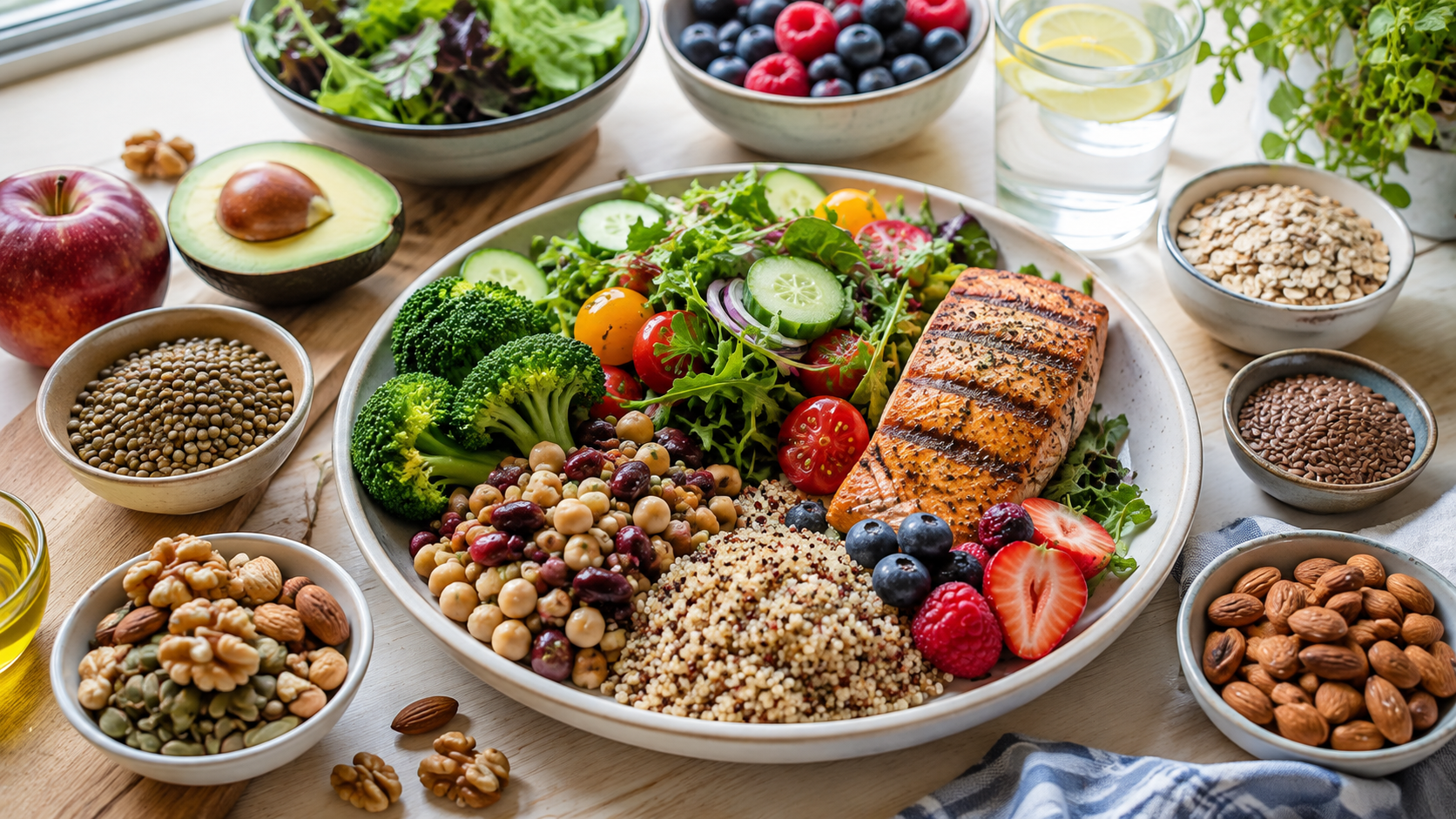
What you eat regularly can have an important influence on cardiovascular health.
Rather than focusing on one “miracle” food, concentrate on your overall eating pattern. A balanced diet can include plenty of vegetables and fruits, whole grains, beans, lentils, nuts, seeds, fish, and other nutritious protein sources.
Try to make minimally processed foods the foundation of your meals while limiting excessive amounts of highly processed foods, added sugars, sodium, and processed meats.
🌱 Foods to include more often:
Leafy green vegetables
Colorful vegetables
Fresh fruits
Oats and other whole grains
Beans and lentils
Unsalted nuts and seeds
Fish and seafood
Lean protein sources
A useful approach is to make vegetables and other nutrient-rich foods a regular part of lunch and dinner rather than treating healthy foods as occasional additions.
Remember that a heart-healthy diet does not have to be expensive or complicated. Traditional meals based on vegetables, pulses, whole grains, and appropriate protein can be excellent foundations for a balanced eating pattern.
🧂 𝟐. 𝑩𝒆 𝑴𝒊𝒏𝒅𝒇𝒖𝒍 𝒐𝒇 𝑺𝒂𝒍𝒕 𝑰𝒏𝒕𝒂𝒌𝒆
Sodium is an essential nutrient, but consuming too much can contribute to higher blood pressure in many people.
Processed and packaged foods can contain substantial amounts of sodium, even when they do not taste extremely salty.
To reduce unnecessary sodium, check food labels when available and limit frequent consumption of heavily processed foods.
You can also make meals flavorful with herbs, spices, garlic, ginger, pepper, lemon, and other seasonings instead of relying primarily on salt.
Small changes can gradually make a difference to your overall eating pattern.
🚶 𝟑. 𝑴𝒂𝒌𝒆 𝑷𝒉𝒚𝒔𝒊𝒄𝒂𝒍 𝑨𝒄𝒕𝒊𝒗𝒊𝒕𝒚 𝒂 𝑯𝒂𝒃𝒊𝒕

Your heart is a muscle, and regular physical activity is an important component of cardiovascular health.
You do not need expensive equipment or a sophisticated gym routine to become more active. Walking, cycling, swimming, dancing, gardening, and other activities can help you spend more time moving.
For many adults, a useful target is at least 150 minutes of moderate-intensity physical activity each week, or 75 minutes of vigorous activity, along with muscle-strengthening activity.
If you are currently inactive, start at a comfortable level and gradually increase your activity.
For example, you might begin with a 15–20 minute walk and gradually work toward longer sessions.
The most effective exercise routine is often the one you can realistically maintain.
🚭 𝟒. 𝑨𝒗𝒐𝒊𝒅 𝑻𝒐𝒃𝒂𝒄𝒄𝒐

Tobacco use is a major preventable risk factor for cardiovascular disease.
Smoking can damage blood vessels and contribute to cardiovascular problems. Exposure to secondhand smoke can also be harmful.
If you smoke, quitting is one of the most important steps you can take to improve your long-term health.
Quitting can be difficult, and you do not have to rely entirely on willpower. A healthcare professional can help you identify evidence-based approaches and support that may improve your chances of successfully stopping.
Avoiding tobacco is not only about protecting your lungs—it is also an important part of protecting your cardiovascular system.
😴 𝟓. 𝑷𝒓𝒊𝒐𝒓𝒊𝒕𝒊𝒛𝒆 𝑮𝒐𝒐𝒅 𝑺𝒍𝒆𝒆𝒑

Sleep is sometimes overlooked when people discuss heart health, but healthy sleep is an important part of overall cardiovascular wellness.
Most adults should generally aim for around 7–9 hours of sleep each night.
Try to maintain a reasonably consistent bedtime and wake-up schedule. A quiet, comfortable sleeping environment can also make it easier to establish good sleep habits.
Consider reducing unnecessary screen use close to bedtime and avoiding habits that regularly interfere with your sleep.
If you consistently have difficulty sleeping, wake frequently during the night, or feel unusually tired despite getting enough time in bed, discuss the problem with a healthcare professional.
⚖️ 𝟔. 𝑾𝒐𝒓𝒌 𝑻𝒐𝒘𝒂𝒓𝒅 𝒂 𝑯𝒆𝒂𝒍𝒕𝒉𝒚 𝑾𝒆𝒊𝒈𝒉𝒕
Maintaining a healthy weight can support cardiovascular health, although body weight should always be considered alongside other measures of health.
Excess body fat can be associated with conditions such as high blood pressure, abnormal cholesterol, and elevated blood glucose.
Instead of following extreme diets, concentrate on sustainable habits:
Balanced meals + regular movement + adequate sleep + sensible portions + consistency
Avoid crash diets that promise dramatic results in a short period.
A gradual approach that you can maintain long-term is generally more practical than repeatedly starting and abandoning restrictive diets.
🩺 𝟕. 𝑲𝒏𝒐𝒘 𝒀𝒐𝒖𝒓 𝑩𝒍𝒐𝒐𝒅 𝑷𝒓𝒆𝒔𝒔𝒖𝒓𝒆

High blood pressure is sometimes called a “silent” condition because it may not cause noticeable symptoms.
Over time, uncontrolled high blood pressure can increase the risk of cardiovascular complications.
Regular blood pressure checks can help you understand your cardiovascular risk and identify changes that may require professional attention.
If you have been diagnosed with high blood pressure, follow your healthcare professional's recommendations rather than stopping or changing prescribed treatment on your own.
Lifestyle measures such as an appropriate diet, regular physical activity, maintaining a healthy weight, and reducing excessive sodium can complement medical care.
🧪 𝟖. 𝑷𝒂𝒚 𝑨𝒕𝒕𝒆𝒏𝒕𝒊𝒐𝒏 𝒕𝒐 𝑪𝒉𝒐𝒍𝒆𝒔𝒕𝒆𝒓𝒐𝒍 𝒂𝒏𝒅 𝑩𝒍𝒐𝒐𝒅 𝑺𝒖𝒈𝒂𝒓
Cholesterol and blood glucose are two important measurements that can provide information about cardiovascular risk.
Unhealthy cholesterol levels can contribute to plaque buildup in the arteries. Persistently elevated blood glucose can also damage blood vessels and is associated with increased cardiovascular risk.
The appropriate frequency of testing depends on your age, health history, risk factors, and recommendations from your healthcare professional.
Do not rely on how you feel to determine whether these measurements are normal. Some risk factors can exist without obvious symptoms.
Regular health checks can help identify problems earlier and allow appropriate lifestyle or medical intervention.
🧘 𝟗. 𝑭𝒊𝒏𝒅 𝑯𝒆𝒂𝒍𝒕𝒉𝒚 𝑾𝒂𝒚𝒔 𝒕𝒐 𝑴𝒂𝒏𝒂𝒈𝒆 𝑺𝒕𝒓𝒆𝒔𝒔

Everyone experiences stress. The goal is not to eliminate every stressful situation but to develop healthy ways of responding to everyday pressure.
Consider activities that help you relax and maintain balance:
Take a walk outdoors.
Practice slow breathing.
Spend time with friends or family.
Enjoy a hobby.
Listen to relaxing music.
Take regular breaks during long periods of work.
Maintain a consistent sleep routine.
Stress management should be viewed as one part of a healthy lifestyle rather than a replacement for professional medical treatment.
💧 𝟏𝟎. 𝑴𝒂𝒌𝒆 𝑯𝒚𝒅𝒓𝒂𝒕𝒊𝒐𝒏 𝒂 𝑯𝒆𝒂𝒍𝒕𝒉𝒚 𝑯𝒂𝒃𝒊𝒕
Water is essential for normal body function. Choosing water instead of sugary beverages can also help reduce unnecessary added sugar intake.
Your fluid needs vary depending on factors such as temperature, activity level, diet, and individual health circumstances.
Rather than following a rigid rule that applies to everyone, drink regularly throughout the day and pay attention to thirst and your individual needs.
People with certain medical conditions may have specific fluid recommendations, so individualized medical advice is important in those situations.
🍎 𝑾𝒉𝒂𝒕 𝑫𝒐𝒆𝒔 𝒂 𝑯𝒆𝒂𝒓𝒕-𝑯𝒆𝒂𝒍𝒕𝒉𝒚 𝑫𝒂𝒚 𝑳𝒐𝒐𝒌 𝑳𝒊𝒌𝒆?

A heart-conscious lifestyle does not need to be complicated.
🌅 𝑴𝒐𝒓𝒏𝒊𝒏𝒈
Start your day with a nutritious breakfast containing whole or minimally processed foods. If possible, include fruit, whole grains, or another nutrient-rich choice.
☀️ 𝑨𝒇𝒕𝒆𝒓𝒏𝒐𝒐𝒏
Choose a balanced lunch and take a short walk or movement break if your schedule allows.
🌙 𝑬𝒗𝒆𝒏𝒊𝒏𝒈
Build dinner around vegetables, an appropriate protein source, and a nutritious carbohydrate such as a whole grain or another suitable option.
🌜 𝑩𝒆𝒅𝒕𝒊𝒎𝒆
Give yourself enough time to sleep and maintain a consistent bedtime whenever possible.
The objective is not perfection. It is consistency.
❤️ 𝑯𝒆𝒂𝒓𝒕 𝑯𝒆𝒂𝒍𝒕𝒉 𝑩𝒆𝒈𝒊𝒏𝒔 𝑾𝒊𝒕𝒉 𝑺𝒎𝒂𝒍𝒍 𝑪𝒉𝒐𝒊𝒄𝒆𝒔
You do not need to transform your lifestyle overnight.
Start with one or two realistic changes.
Maybe replace a sugary drink with water. Add vegetables to one meal each day. Take a 20-minute walk. Go to bed a little earlier. Reduce highly processed foods. Check your blood pressure regularly.
Once these habits become easier, build another healthy habit.
Over time, these small decisions can become part of your normal lifestyle.
❓ 𝑭𝒓𝒆𝒒𝒖𝒆𝒏𝒕𝒍𝒚 𝑨𝒔𝒌𝒆𝒅 𝑸𝒖𝒆𝒔𝒕𝒊𝒐𝒏𝒔
𝑾𝒉𝒂𝒕 𝒊𝒔 𝒕𝒉𝒆 𝒃𝒆𝒔𝒕 𝒅𝒊𝒆𝒕 𝒇𝒐𝒓 𝒂 𝒉𝒆𝒂𝒍𝒕𝒉𝒚 𝒉𝒆𝒂𝒓𝒕?
There is no single food or diet that is perfect for everyone. A heart-conscious eating pattern generally emphasizes vegetables, fruits, whole grains, legumes, nuts, seeds, and appropriate lean protein while limiting excessive sodium, added sugars, and highly processed foods.
𝑯𝒐𝒘 𝒎𝒖𝒄𝒉 𝒆𝒙𝒆𝒓𝒄𝒊𝒔𝒆 𝒊𝒔 𝒈𝒐𝒐𝒅 𝒇𝒐𝒓 𝒉𝒆𝒂𝒓𝒕 𝒉𝒆𝒂𝒍𝒕𝒉?
A commonly recommended target for adults is at least 150 minutes of moderate-intensity physical activity per week, or 75 minutes of vigorous activity, together with muscle-strengthening activity.
𝑪𝒂𝒏 𝒘𝒂𝒍𝒌𝒊𝒏𝒈 𝒉𝒆𝒍𝒑 𝒉𝒆𝒂𝒓𝒕 𝒉𝒆𝒂𝒍𝒕𝒉?
Regular walking is a practical form of physical activity and can contribute to an active lifestyle. If you are currently inactive, gradually increasing your walking may be a useful starting point.
𝑰𝒔 𝒔𝒍𝒆𝒆𝒑 𝒊𝒎𝒑𝒐𝒓𝒕𝒂𝒏𝒕 𝒇𝒐𝒓 𝒉𝒆𝒂𝒓𝒕 𝒉𝒆𝒂𝒍𝒕𝒉?
Yes. Healthy sleep is an important component of cardiovascular health. Most adults should generally aim for around 7–9 hours of sleep each night.
𝑪𝒂𝒏 𝒂 𝒉𝒆𝒂𝒍𝒕𝒉𝒚 𝒅𝒊𝒆𝒕 𝒑𝒓𝒆𝒗𝒆𝒏𝒕 𝒉𝒆𝒂𝒓𝒕 𝒅𝒊𝒔𝒆𝒂𝒔𝒆?
A healthy lifestyle can help reduce several cardiovascular risk factors, but it cannot guarantee that someone will never develop heart disease. Genetics, age, existing medical conditions, and other factors also influence cardiovascular risk.
𝑺𝒉𝒐𝒖𝒍𝒅 𝑰 𝒈𝒆𝒕 𝒎𝒚 𝒃𝒍𝒐𝒐𝒅 𝒑𝒓𝒆𝒔𝒔𝒖𝒓𝒆 𝒄𝒉𝒆𝒄𝒌𝒆𝒅?
Regular blood pressure measurement can be useful because high blood pressure may not cause noticeable symptoms. How often you should be checked depends on your individual health and risk factors.
𝑾𝒉𝒂𝒕 𝒊𝒔 𝒕𝒉𝒆 𝒎𝒐𝒔𝒕 𝒊𝒎𝒑𝒐𝒓𝒕𝒂𝒏𝒕 𝒉𝒆𝒂𝒓𝒕-𝒉𝒆𝒂𝒍𝒕𝒉𝒚 𝒉𝒂𝒃𝒊𝒕?
There is no single habit that guarantees heart health. A combination of nutritious eating, regular physical activity, avoiding tobacco, adequate sleep, healthy weight management, and appropriate monitoring of blood pressure, cholesterol, and blood glucose provides a stronger overall approach.
🌿 𝑭𝒊𝒏𝒂𝒍 𝑻𝒉𝒐𝒖𝒈𝒉𝒕𝒔
Taking care of your heart is a long-term investment in your health.
You do not need a perfect diet, an intense exercise program, or a completely stress-free life. Instead, focus on making sensible choices repeatedly.
Choose nutritious foods more often. Move your body regularly. Avoid tobacco. Sleep well. Manage stress. Monitor important health measurements. And speak with a qualified healthcare professional when you have concerns.
A healthier heart begins with the choices you make today—and the habits you continue tomorrow.
⚠️ 𝑴𝒆𝒅𝒊𝒄𝒂𝒍 𝑫𝒊𝒔𝒄𝒍𝒂𝒊𝒎𝒆𝒓
This article is intended for general educational and informational purposes. It is not a substitute for professional medical advice, diagnosis, or treatment. If you have symptoms of heart disease or have been diagnosed with a cardiovascular condition, consult a qualified healthcare professional for individualized advice.
Primary references: World Health Organization (WHO) and American Heart Association (AHA).