5 Practical Strategies to Kick Heel Pain for Good
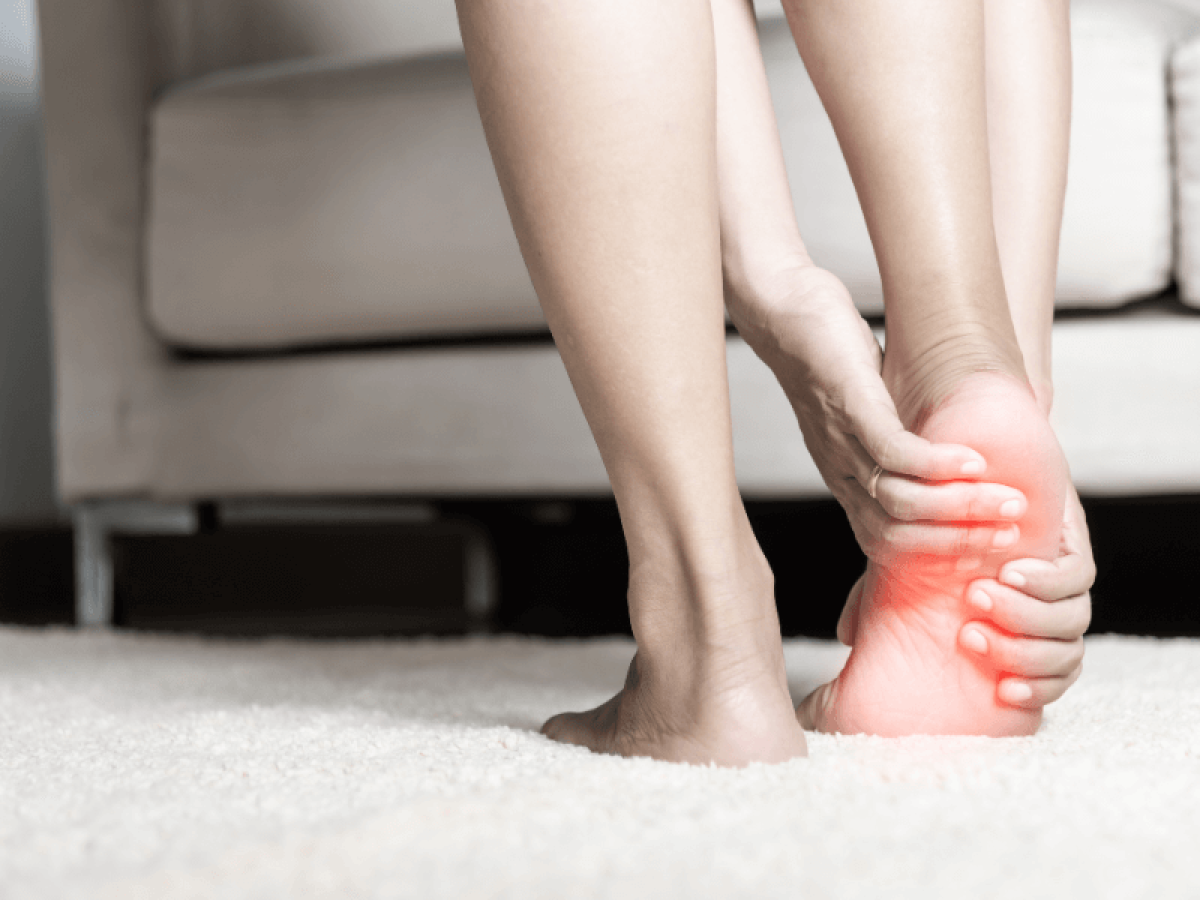
Heel pain is a common problem that can make walking, exercising, and performing daily activities uncomfortable. One of the most frequent causes is plantar fasciitis, which occurs when the plantar fascia—the thick band of tissue along the bottom of the foot—becomes inflamed. This tissue supports your arch and absorbs impact while walking or standing. Pain is often felt near the heel or along the arch, especially in the morning or after long periods of standing. Without proper care, heel pain can worsen over time and affect mobility. Early diagnosis and consistent treatment can prevent further damage and help you recover faster.
1. Get an Accurate Diagnosis
Heel pain is not always caused by plantar fasciitis. Stress fractures, tendon injuries, nerve irritation, or arthritis can produce similar symptoms. Trying to treat the problem without knowing the exact cause can waste time, money, and may even worsen the pain. Visiting a qualified foot doctor is the best way to determine what is causing your discomfort. A podiatrist can examine your feet, check how you walk, and evaluate your activity level. This ensures that any treatment plan you follow is designed specifically for your situation. Early diagnosis helps prevent unnecessary strain on your heel and allows for the right interventions.
2. Reduce Pain and Allow Your Foot to Rest
Reducing inflammation and giving your foot time to recover is a key part of treatment. Taping the foot can temporarily support the plantar fascia and relieve stress on the heel. A foot doctor can apply proper taping and teach you how to do it safely at home. Stretching and strengthening exercises are also effective for easing heel pain. These exercises focus on the foot, ankle, and calf to improve flexibility and support. Performing them correctly can help reduce tension and lower the risk of future injuries. Rest is also crucial. Continuing activity when your heel is sore can worsen inflammation, so it’s important to give your feet time to heal, especially if pain increases during exercise or daily movement.
3. Wear Comfortable and Supportive Shoes
Footwear plays a critical role in managing heel pain. Shoes that lack arch support or cushioning increase pressure on the heel and worsen discomfort. Walking barefoot on hard surfaces or wearing worn-out shoes can also aggravate pain. Proper footwear should provide stable soles, cushioning, and arch support. A podiatrist can recommend shoes that match your foot type, lifestyle, and recovery needs. Consistently wearing supportive shoes, especially during physical activity, reduces strain on the plantar fascia and helps prevent heel pain from returning.
4. Consider Custom Foot Orthotics
Custom foot orthotics are designed specifically for your foot structure. A podiatrist can perform a biomechanical assessment to determine whether orthotics will help support your heels and arches. Orthotics reducing pressure on the heel, reducing pressure on the heel. They also promote proper alignment, which can improve posture and reduce strain on your legs, knees, and back. Using orthotics alongside supportive footwear provides long-term relief and protects your feet during standing, walking, or exercise. This combination is often highly effective for both immediate comfort and ongoing prevention.
5. Schedule Regular Foot Checkups
Regular visits to a foot doctor are essential for preventing heel pain and other foot problems before they worsen. Annual checkups allow specialists to catch issues early, even if symptoms are mild or not noticeable yet. During these visits, a podiatrist can monitor changes in foot structure, movement, and overall health. Adjustments to your treatment plan can be made to maintain comfort and prevent recurring pain. Preventive care helps maintain healthy feet and minimizes the risk of chronic pain. Regular checkups benefit not just your heels but your overall foot function and mobility.