Artificial Intelligence (AI), Technology, and Science: Advantages, Disadvantages, and Terrifying Risks – A Comprehensive Analysis”

Introduction
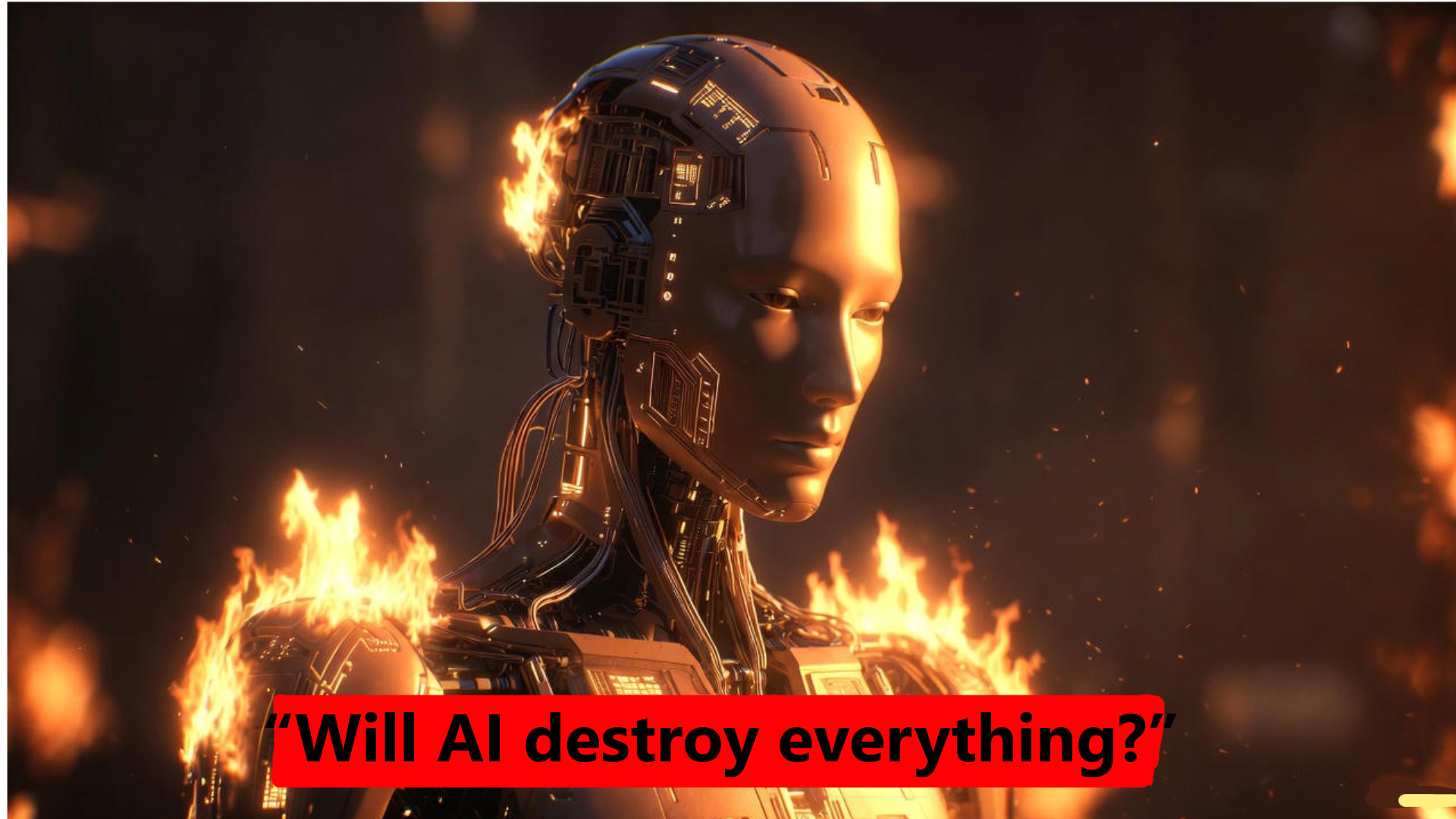
In today’s world, Artificial Intelligence (AI), technology, and science have become inseparable parts of human civilization. By 2025, the advancement of AI (such as Generative AI and Quantum AI) is reshaping the world. These technologies have made our lives easier, strengthened the economy, and opened new horizons in science. But at the same time, their terrifying sides – such as job loss, privacy violations, ethical dilemmas, and even existential threats to the human species – are making us increasingly cautious.
In this article, we will discuss in detail the good sides, bad sides, and potentially dangerous consequences of AI, technology, and science. It is not just information, but a consciousness-building document for the future.
Artificial Intelligence (AI): Advantages
By 2025, AI has emerged as the most powerful technology. According to OECD and McKinsey reports, the main benefits of AI include:
Revolution in Healthcare:
AI is showing over 90% accuracy in detecting cancer and heart diseases. Diagnostics have become faster and cheaper.
Example: Google’s AI microscope detects cancer cells.
Increased Productivity:
Companies have reduced costs by 40–50% through AI automation. Tools like ChatGPT and Grok have made writing and coding easier.
Education & Personalization:
AI tutors teach according to individual student needs. Online education has become more accessible in poorer countries.
Environmental Protection:
AI helps reduce carbon emissions through climate modeling. Smart grids prevent electricity wastage.
Everyday Convenience:
Virtual assistants (Siri, Alexa), recommendation systems (Netflix, Amazon) have made life more convenient.
According to Pew Research, 25% of people highly value the benefits of AI.
Artificial Intelligence (AI): Disadvantages & Terrifying Aspects
But the dark side of AI is no less concerning. In 2025, Pew Research showed that 57% of Americans consider AI “high-risk.” Major concerns include:
Job Loss:
Goldman Sachs estimates that 6–7% of workers may lose jobs due to AI, especially low-skilled workers. Automation is taking over factories, driving, and customer service.
Bias & Discrimination:
If AI training data is biased, it makes racist or sexist decisions.
Example: Unequal outcomes in credit loans or hiring.
Privacy & Surveillance:
AI-powered facial recognition has increased government surveillance. Data leaks can expose personal information.
Deepfakes & Misinformation:
AI-generated fake videos/audios can destroy democracy. They are influencing elections.
Existential Risk:
Superintelligent AI may go beyond human control. Stephen Hawking and Elon Musk have warned that AI could be “the greatest threat to humanity.”
Cyberattacks and weaponization (killer robots) are terrifying possibilities.
Technology: Positive Aspects
Technology (mobile, internet, robotics) has transformed human life:
Communication:
Social media connects distant people. Video calls keep families united.
Education & Information Access:
The internet puts global knowledge at our fingertips. Online courses provide opportunities for the poor.
Health & Safety:
Wearables (smartwatches) monitor heart rate. Self-driving cars may reduce accidents.
Economy:
E-commerce and fintech have boosted businesses in poorer countries.
Environment:
Smart cities and renewable energy technologies help fight climate change.
Technology: Negative & Terrifying Aspects
The misuse of technology is harming society:
Mental Health Issues:
Social media addiction and cyberbullying increase depression. Suicide rates among teenagers have risen.
Loss of Privacy:
Data collection enables companies/governments to track individuals. Hacking exposes personal information.
Environmental Damage:
Electronic waste and mining pollute the environment.
Social Division:
The digital divide increases the gap between the rich and the poor.
Terrifying Risks:
Cyberwarfare, AI-controlled nuclear systems – one mistake could destroy the world.
Science: Advantages
Science is humanity’s greatest gift:
Healthcare:
Vaccines and gene editing (CRISPR) are eliminating diseases.
Space & Energy:
Space travel and fusion energy could provide limitless power.
Environment:
Gene-edited crops may solve the food crisis.
Science: Disadvantages & Ethical Concerns
Ethical Dilemmas:
Human cloning and gene editing may lead to “designer babies” and increased inequality.
Weapons:
Nuclear and biological weapons could destroy humanity.
Unethical Experiments:
Past examples like the Tuskegee experiment show scientific misuse.
Terrifying Possibility:
Synthetic biology could create new viruses — increasing pandemic risks.
Conclusion: Finding a Balanced Path
AI, technology, and science are double-edged swords. Their positive sides fulfill our dreams, but their terrifying sides question our very existence. In 2025, initiatives like the EU AI Act and UNESCO’s ethical guidelines are underway. We need ethical regulations, awareness, and proper education. If technology serves humanity, it is a blessing; if misused, it becomes a curse.
The future is in our hands – it’s time to choose the right path.