Volunteering: The Personal and Social Benefits
In an age where the word “busy” dominates our daily conversations, carving out time to help others can feel like a luxury. Yet, stepping into the world of volunteering is far from a self‑indulgent pastime—it’s a powerful catalyst for personal growth and community resilience. Below, we explore the twin pillars of benefit that make volunteering a win‑win for both the giver and the society they serve.
- Sharpening Skills and Boosting Confidence
When you volunteer, you often step into roles that differ from your day‑to‑day job. Whether you’re coordinating a food‑bank drive, mentoring at‑risk youth, or building homes with a Habitat crew, you’re forced to stretch your problem‑solving muscles, practice leadership, and hone communication skills.
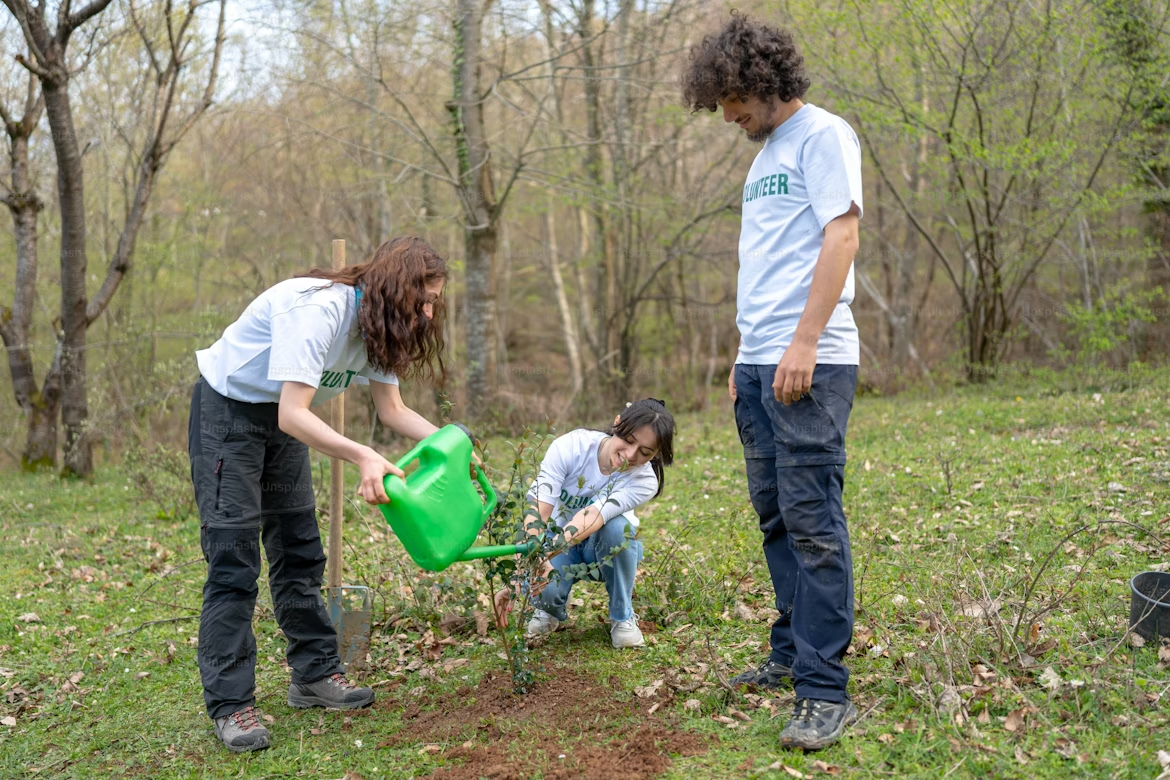
These experiences translate directly into the workplace, enriching résumés and expanding professional networks. Moreover, accomplishing tangible outcomes—like seeing a renovated playground come to life—provides an instant confidence boost that lingers long after the volunteer hours end.
- Enhancing Mental and Physical Well‑Being
Studies consistently link regular volunteering with lower rates of depression, reduced stress, and even improved cardiovascular health. The secret? A surge of “feel‑good” neurotransmitters—oxytocin, dopamine, and serotonin—that flood the brain when we help others. The routine of meeting a team, setting goals, and seeing progress also creates a sense of purpose, a cornerstone of long‑term mental wellness.
- Building Stronger Communities
On a societal level, volunteers are the invisible scaffolding that holds many essential services together. They fill gaps in education, healthcare, disaster response, and environmental stewardship. By contributing time and talent, volunteers help cultivate inclusive, resilient neighborhoods where social ties are reinforced and civic pride flourishes.
The ripple effect is profound: communities with high volunteer engagement tend to experience lower crime rates, higher voter turnout, and stronger local economies.
- Fostering Empathy and Cultural Awareness
Working alongside people from diverse backgrounds exposes volunteers to perspectives they might never encounter otherwise. This immersion nurtures empathy, breaks down stereotypes, and encourages a more nuanced understanding of societal challenges. In turn, volunteers become ambassadors of change, carrying those insights into their personal and professional circles.
Take the First Step
If you’re contemplating where to begin, start small—a monthly shift at a local shelter, a weekend clean‑up, or an online tutoring session. The key is consistency, not magnitude.
As you invest a few hours each week, you’ll witness a transformation that’s both personal—greater confidence, sharper skills, a brighter mood—and social—a stronger, more connected community. Volunteering isn’t just an act of giving; it’s a two‑way street that enriches everyone who walks it.