HEPA Filter Replacement: How to Know When It’s Time
HEPA Filter Lifespan: Manufacturer Claims vs. Real-World Performance
Most manufacturers rate a standard HEPA filter for three to five years of service. However, real-world conditions tell a different story. Facilities with high particulate loads, elevated humidity, or 24/7 operations often see filter life drop to 18–30 months. Pre-filter maintenance, room traffic, and process chemicals all accelerate degradation.
Never rely solely on a calendar schedule. Instead, combine time-based estimates with the measurable warning signs below.
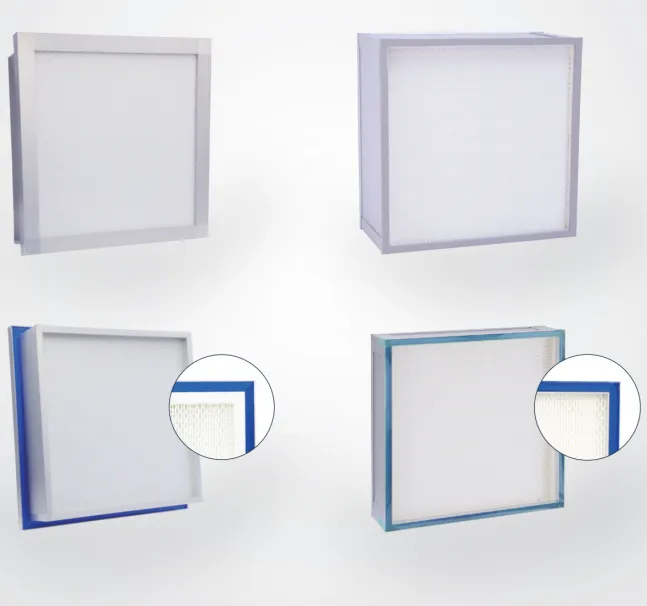
gel seal hepa filter
Three Warning Signs You Need a Replacement HEPA Filter
- Increased Pressure Drop Across the Filter
Every HEPA filter ships with a rated initial pressure drop — typically between 0.5″ and 1.0″ w.g. As particles accumulate in the media, resistance climbs. When the differential pressure reaches 1.5 to 2 times the initial value, the filter is loading beyond its efficient operating range.
Install differential pressure gauges on every HEPA filter housing. Read them daily or connect them to your building management system for real-time alerts. This single practice forms the backbone of proactive replacement scheduling.
Declining Particle Count Performance
Your cleanroom monitoring program should track particle counts at defined locations downstream of each HEPA filter. A gradual upward trend — even before counts exceed classification limits — signals media fatigue or micro-leaks at the filter seal. If you notice rising 0.5 µm counts near a specific filter bank, prioritize inspection and prepare a replacement HEPA filter immediately.Visible Damage, Moisture, or Discoloration
During routine walkthroughs, examine HEPA filter faces for dark spots, water stains, or physical tears. Moisture weakens the glass-fiber media and promotes microbial growth. Discoloration often indicates chemical attack or excessive particulate loading that pressure readings alone may not capture. Any visible anomaly warrants immediate change-out.
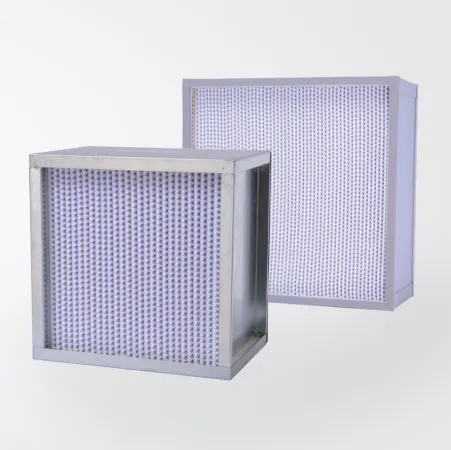
class 10 clean room
Step-by-Step HEPA Filter Replacement Protocol for Cleanroom Environments
Follow this proven protocol to minimize contamination during a filter change-out:
Notify operationsand isolate the affected zone with temporary barriers.
Bag-in/bag-outthe spent filter to prevent particle release into the room.
Inspect the housingfor gasket wear, corrosion, or debris before inserting the new filter.
Install the replacement HEPA filterwith proper gasket alignment and uniform clamping pressure.
Perform a DOP or PAO leak testper ISO 14644-3 to verify seal integrity.
Documentthe installation date, pressure drop reading, and test results in your maintenance log.
Common Mistakes That Introduce Contamination
Removing the old filter without bagging it first, releasing trapped particles downstream.
Over-tightening clamps unevenly, which distorts the frame and creates bypass leaks.
Skipping the post-installation leak test — a single pinhole can push your room out of classification.
Storing replacement HEPA filters in uncontrolled warehouse areas where humidity or debris damages media before installation.
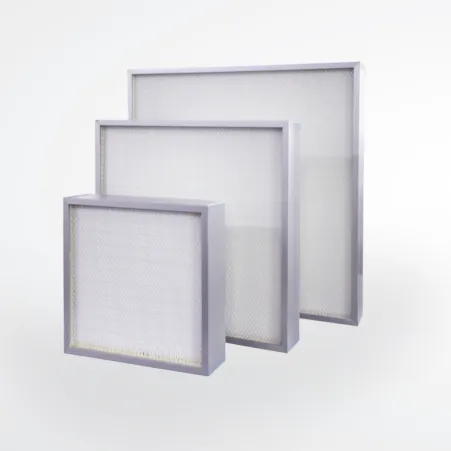
mini-pleat hepa filter
Cost of Replacement vs. Cost of a Contamination Event
A single HEPA filter typically costs between $150 and $500 depending on size and efficiency rating. A contamination event in pharmaceutical, semiconductor, or aerospace manufacturing can trigger batch losses, regulatory citations, and downtime valued at tens or even hundreds of thousands of dollars. The math is simple: proactive HEPA filter replacement is always cheaper than reactive crisis management.
Schedule Replacements Proactively, Not Reactively
Your cleanroom equipment works as a system, and HEPA filter filters represent the last line of defense. Monitor differential pressure, track particle counts, inspect filter faces regularly, and maintain a documented replacement schedule. When you act on data rather than wait for failure, you protect your products, your people, and your bottom line.
Start reviewing your current HEPA filter maintenance records today — your next replacement may already be overdue.