Bee Balm: A Garden’s Tiny Superstar
When it comes to gardens that buzz with life, few plants work as hard as Bee Balm (Monarda). Also called Horsemint or Oswego Tea, this native North American perennial is a pollinator magnet, beloved for its vibrant blooms and low-maintenance charm. Let’s explore why Bee Balm deserves a spot in your garden!
What Is Bee Balm?
Bee Balm thrives in gardens with its showy, tubular flowers that range from fiery reds and purples to soft pinks and whites. Its leaves are aromatic—think minty or citrusy—and its compact size (typically 2–4 feet tall) makes it a versatile garden accent.
Native to North America, Bee Balm grows wild in meadows and woodlands, adoring sun or partial shade. It’s hardy in USDA zones 4–9, meaning most gardeners in the U.S. can enjoy it.
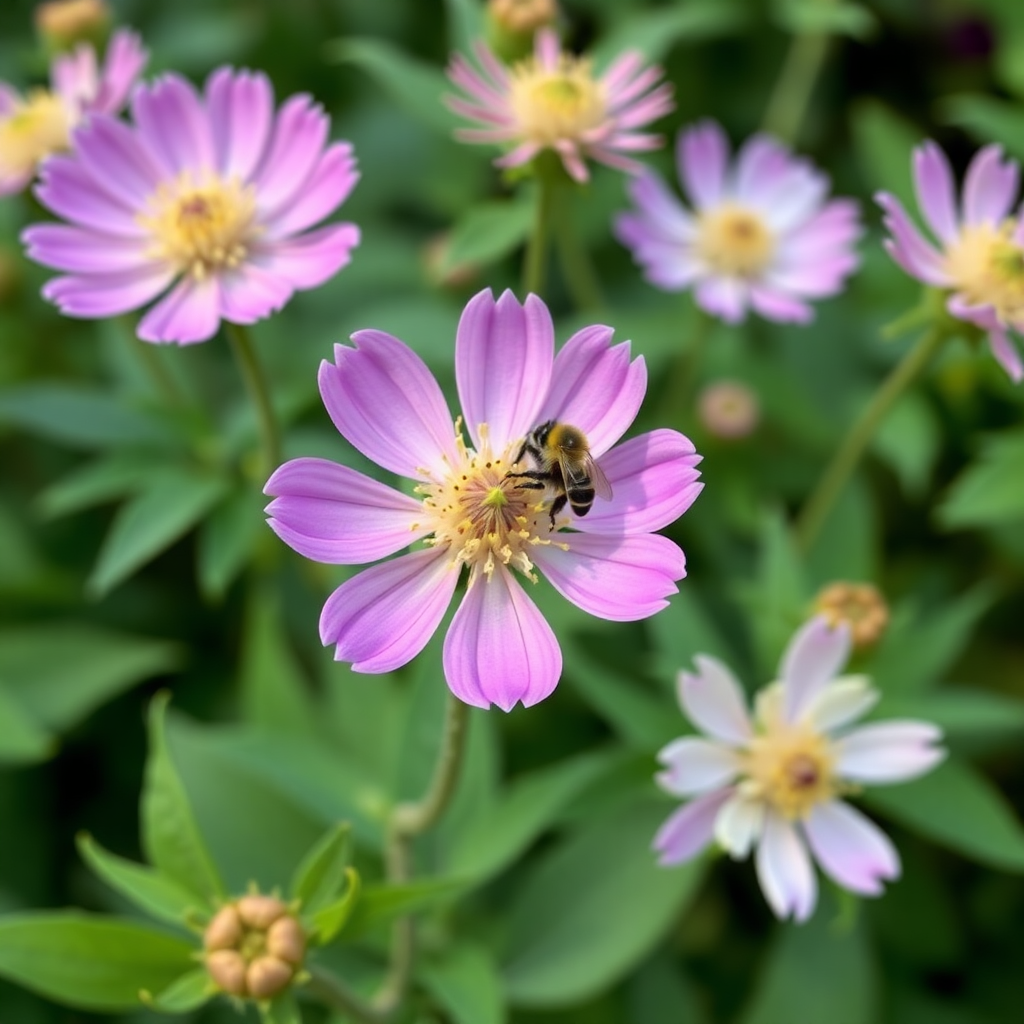
Why Pollinators Love It
Bees, butterflies, hummingbirds, and even dragonflies flock to Bee Balm’s nectar-rich blossoms. Its name is a nod to the bees it draws in droves! Planting Bee Balm isn’t just pretty—it’s an act of ecological stewardship.
By adding this flower to your garden, you’re creating a rest stop for pollinators, essential for our environment and food systems.
Historical and Modern Uses
Long before it became a garden staple, Native American tribes brewed Bee Balm leaves for tea to soothe colds, aid digestion, and reduce fevers. The name “Oswego Tea” honors the Oswego tribe, who shared this remedy with early settlers.
Today, Bee Balm tea remains a caffeine-free, zesty option with a hint of mint and citrus. Just steep a few fresh or dried leaves in hot water.
How to Grow Bee Balm
Bee Balm is easy to grow from seeds (sown in early spring) or seedlings. It prefers well-drained soil and moderate water. To encourage continuous blooms, prune spent flowers (a process called deadheading). Be sure to space plants adequately to improve airflow and avoid mildew, a common foe in damp climates.
Bonus: A Garden Workhorse
Beyond its beauty, Bee Balm is a versatile companion plant. It’s rumored to help tomato plants by repelling pests, though this is still debated. Either way, its ability to thrive without constant care makes it ideal for beginner or eco-conscious gardeners.
In Summary
Bee Balm is more than a garden plant—it’s a pollinator ally, a living history lesson, and a source of herbal comfort. Whether you’re sipping tea or watching bees dance among its blooms, Bee Balm brings joy and purpose to any garden. So why not plant one today and invite a little magic into your yard? 🐝🌼
What will you discover when you grow Bee Balm? Share your experiences below! 🌸