Feverfew Flower: Unveiling its Medicinal and Aesthetic Charm
In the world of herbs and flowers, there exists a hidden gem that has been cherished for centuries for its medicinal properties and striking appearance. Say hello to the Feverfew flower, a dainty and delicate bloom that has been a staple in traditional medicine and gardens alike. In this blog post, we'll delve into the fascinating world of Feverfew, exploring its history, benefits, and uses.
A Brief History
Feverfew, also known as Tanacetum parthenium, is a perennial herb native to Europe and Asia. Its name is derived from the Latin word "febrifugia," meaning "fever-reducing." For centuries, Feverfew has been used to treat various ailments, including fever, headaches, and digestive issues. The ancient Greeks and Romans prized the flower for its medicinal properties, and it was even used to ward off evil spirits.
Medicinal Properties
Feverfew's medicinal properties are attributed to its high concentration of parthenolide, a compound with anti-inflammatory and antispasmodic properties. The flower has been shown to:
Reduce fever and alleviate headaches
Soothe digestive issues, such as nausea and vomiting
Relieve menstrual cramps and other PMS symptoms
Exhibit antimicrobial and antifungal properties
Aesthetic Charm
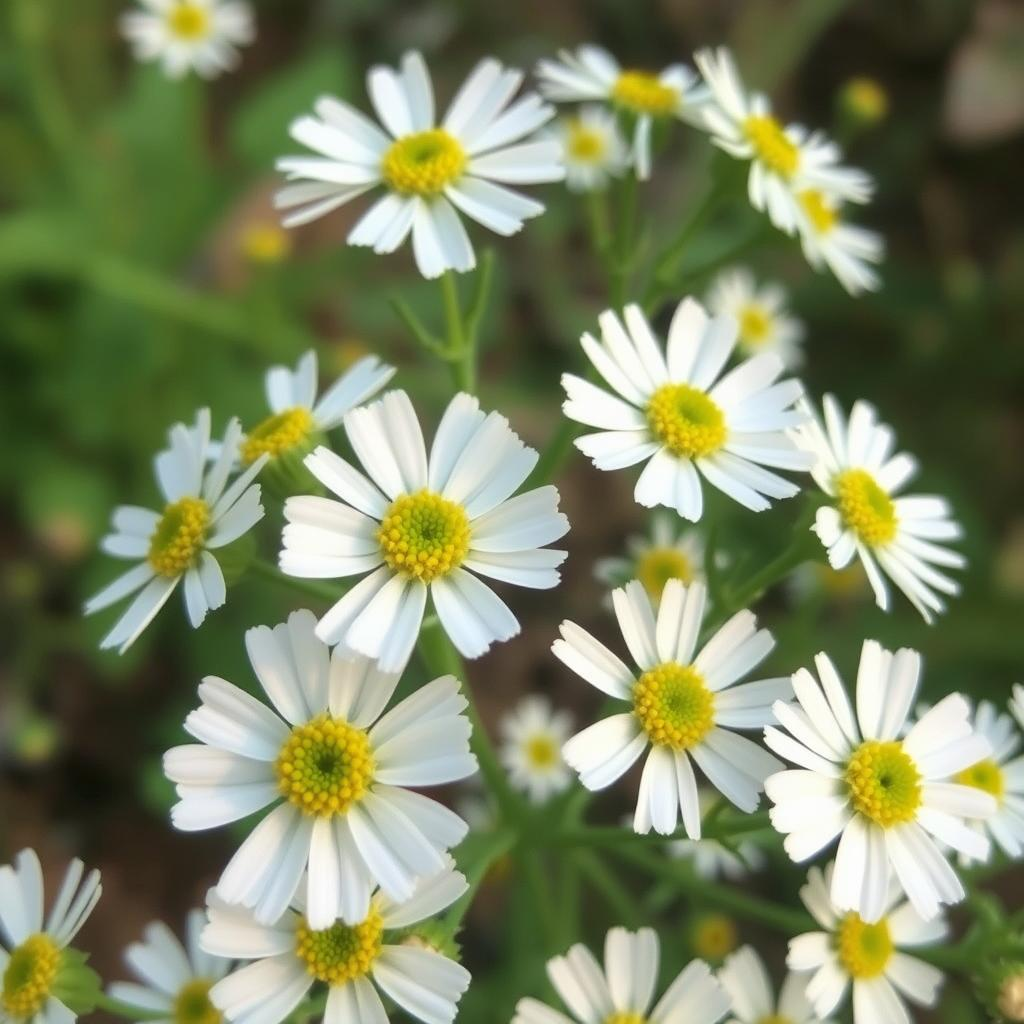
Beyond its medicinal benefits, Feverfew is a stunning addition to any garden or floral arrangement. Its delicate, daisy-like flowers bloom in a range of colors, from white to yellow and pink, and are often accompanied by lacy, fern-like foliage. Feverfew is a low-maintenance plant that thrives in well-drained soil and partial shade, making it an ideal choice for cottage gardens and herb borders.
Uses and Preparations
Feverfew can be used in various ways, including:
Tea: Steep dried Feverfew flowers in hot water to create a soothing tea for digestive issues and headaches.
Tincture: Extract the medicinal properties of Feverfew using a solvent, such as ethanol or glycerin.
Infused oil: Steep Feverfew flowers in a carrier oil, such as coconut or olive oil, to create a topical remedy for skin issues.
Fresh arrangements: Add Feverfew to bouquets and arrangements for a delicate, whimsical touch.
In conclusion, the Feverfew flower is a remarkable herb that offers a wealth of medicinal and aesthetic benefits. Whether you're seeking to soothe a headache or add a touch of elegance to your garden, Feverfew is an excellent choice.
With its rich history, versatility, and charm, it's no wonder this flower has been a favorite among herbalists and gardeners for centuries. So why not give Feverfew a try? Plant it in your garden, brew a soothing tea, or simply admire its beauty – your body and mind will thank you.