Acacia Flowers: A Simple Guide to Their Beauty and Benefits
Acacia trees are a familiar sight in many parts of the world, from the golden savannas of Africa to the sunny streets of Australia. While most people recognize the tree for its feathery leaves and hardy timber, the real star of the show is often the tiny, delicate flower that crowns each branch. In this short guide, we’ll explore what makes acacia flowers special, why they matter, and how you can enjoy them in your garden.
What Do Acacia Flowers Look Like?
Acacia flowers are usually small and clustered together in round or elongated heads called inflorescences. Each flower is a simple structure with five petals that are often bright yellow, though some species show white, cream, or even pink tones.
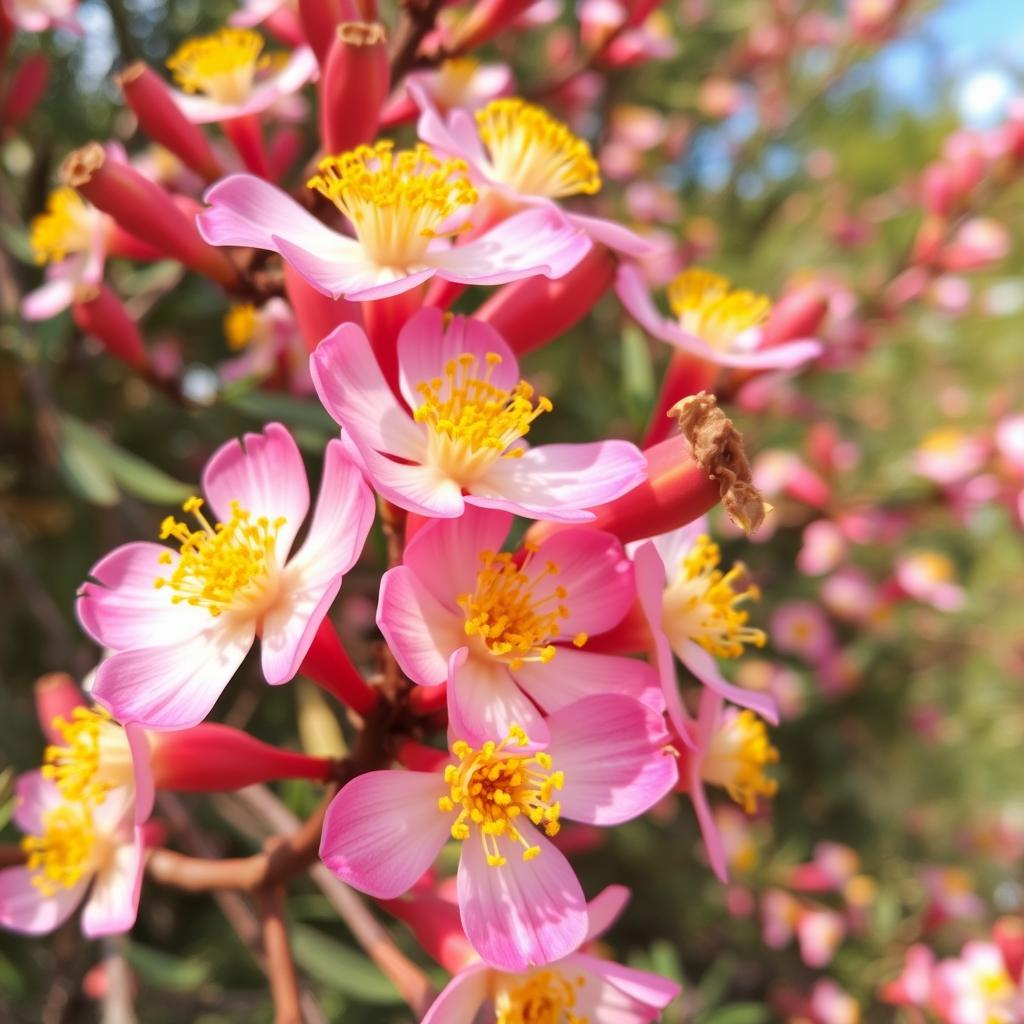
The petals are thin and soft, giving the flower a gentle, airy feel. Because the individual blossoms are so tiny, they appear most striking when they gather in large numbers, turning a whole branch into a fluffy, golden puff.
Where Do They Grow?
Acacias belong to the legume family, which means they are related to peas and beans. They thrive in warm climates, especially areas with well‑drained soil and plenty of sunshine. In the wild, you’ll find acacias on open plains, along riverbanks, and even in dry, cracked earth where few other plants can survive. Their ability to fix nitrogen—pulling this essential nutrient from the air and storing it in the soil—helps them grow in poor ground and also benefits nearby plants.
Why Are They Important?
Ecology – The bright flowers attract bees, butterflies, and other pollinators. By providing a reliable food source, acacias support the health of local ecosystems.
Culture – In many Indigenous cultures, acacia flowers have symbolic meaning. In Australia, for example, the golden wattle (Acacia pycnantha) is the national floral emblem and stands for unity and resilience.
Medicine – Some acacia species have been used traditionally to treat coughs, skin irritations, and digestive ailments. Modern research is still exploring these benefits.
Craft and Industry – The gum produced by certain acacias (like gum arabic) is a valuable natural adhesive used in foods, paints, and cosmetics.
Growing Acacia Flowers at Home
If you’d like to enjoy these pretty blooms in your garden, follow these simple steps:
Choose the Right Species – For small yards, dwarf varieties such as Acacia baileyana (Cootamundra wattle) work well. Larger spaces can accommodate taller species like the golden wattle.
Plant in Sunlight – Acacias love full sun. A spot that receives at least six hours of direct light each day will encourage strong flowering.
Mind the Soil – Well‑draining soil is key. If your garden has heavy clay, mix in sand or gravel to improve drainage.
Water Sparingly – Once established, acacias are drought‑tolerant. Water them regularly for the first few months, then let the soil dry out between watering.
Prune After Bloom – Cutting back spent flower heads helps shape the plant and promotes a tidy appearance.
A Simple Way to Celebrate Acacias
Even if you don’t have space for a whole tree, you can still enjoy acacia flowers. Fresh blossoms make lovely, fragrant additions to summer bouquets, and dried heads can be used in potpourri or pressed into homemade greeting cards. Their soft yellow hue adds a touch of sunshine to any setting.
Acacia flowers may be modest in size, but their impact is anything but small. From supporting pollinators to brightening our homes, they offer beauty, utility, and a reminder of nature’s resilience. The next time you see a cluster of golden blooms on a slender branch, pause for a moment and appreciate the quiet wonder of the acacia flower.