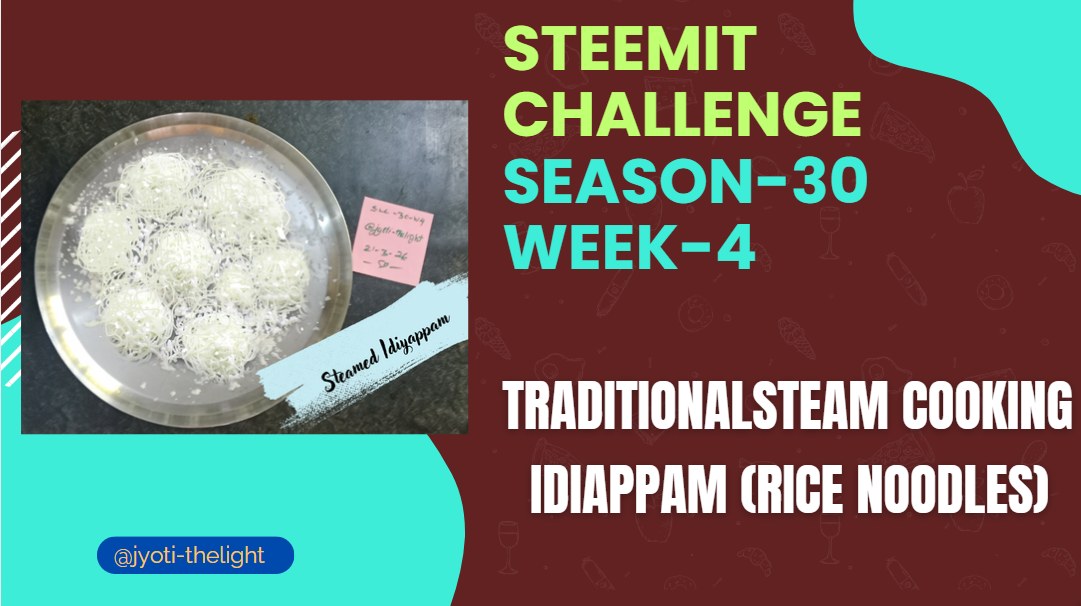
Steemit Challenge Season-30 Week-4 || "Traditional Steam Cooking- Idiyappam (Rice Noodles)"
Hi friends, dear steemians
Welcome to the 4th week of Season 30 of the Steemit Learning Challenge. I want to express my gratitude to @steemitblog for this chance. Every week in this course, we will examine the ingredients, cooking methods, and health advantages of traditional steamed foods. I hope you enjoy and continue to support these interesting contests each week.
The healthy traditional steam cooking
As I said last week Steaming is one of the cooking methods that our ancestors have taught us. Since it does not add oil, this cooking method is considered a healthy one. The dishes prepared this way are delicious and healthy. If you include steamed foods in your daily diet, you will not get problems like cancer, heart disease, weight gain, digestive problems, and high blood cholesterol.
I would like to introduce you to another healthy steamed dish this week called "Idiyappam(Rice Noodles)". Known as Idiyappam in South India—particularly in the Tamil-speaking regions—this dish is recognized by various names across the globe, such as rice noodles, nool puttu, and string noodles etc. Rice flour serves as the primary ingredient for its preparation. It is typically served accompanied by sugar, jaggery, or sundal kurma( Chickpeas gravy). Being a dish cooked by steaming, it is highly beneficial for one's health.
Ingredients of Idlis and their nutrition facts
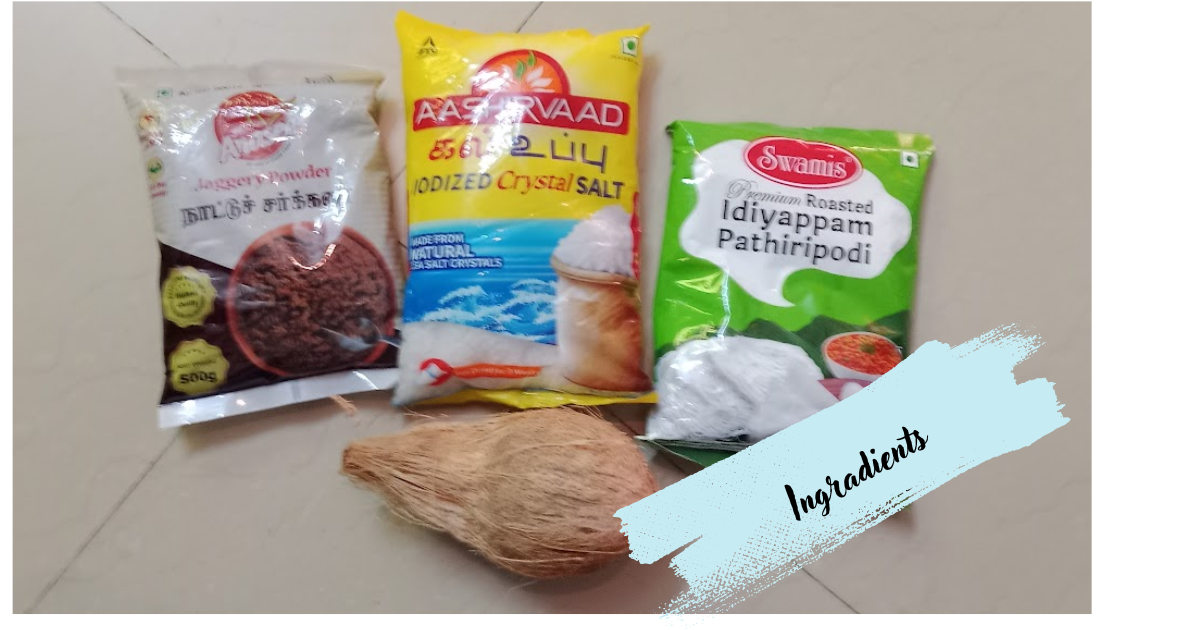
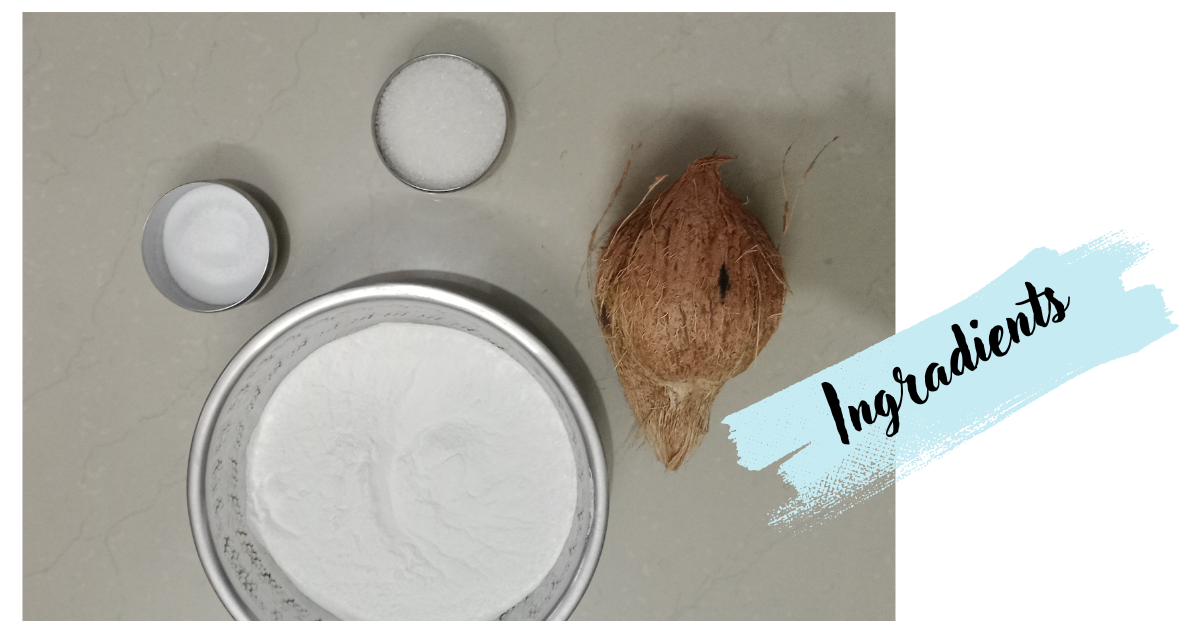
Rice flour - 3 cups
Coconut
Sugar/Jaggery Powder
Salt to taste
Nutrition facts of Rice Flour
Rice flour is a staple food product that primarily provides carbohydrates and calories. It is gluten-free and contains low levels of fat and protein. It serves as a primary source of starch.
The energy value of white rice flour is 366 kilocalories. The nutritional composition of such products includes approximately 6 grams of protein, 1.42 grams of fat, and about 80 grams of highly digestible carbohydrates.
Its vitamin profile is characterized by B vitamins, choline, Vitamin E, and Vitamin PP.
Its mineral content includes potassium, calcium, magnesium, phosphorus, and iron.
Nutrition facts of Coconut
Coconuts contain all the nutrients essential for bodily functions—including protein, carbohydrates, calcium, phosphorus, minerals such as iron, Vitamin C, the entire range of B-complex vitamins, and dietary fiber.
Due to its alkaline nature, coconut milk is highly effective in treating stomach ulcers caused by excessive acidity. It contains essential amino acids that significantly aid the body's metabolism. The lauric acid and capric acid found in coconuts possess the ability to combat viral and bacterial pathogens.
The monolaurin present in coconuts dissolves the cell walls of viruses; in patients with AIDS, it helps reduce the viral load. Coconuts are rich in immunity-boosting properties and play a vital role in supporting the body's metabolic processes, thereby enhancing energy levels.
Mature coconuts serve as an aphrodisiac. The Vitamin E contained within them helps delay the aging process and stimulates the function of the thyroid gland.
There is a tradition of extracting the juice from the coconut flower (the tender inflorescence) and administering it to pregnant women to ensure the baby is born with a healthy, fair skin tone.
Vegitable Momos with steam
STEP 1:
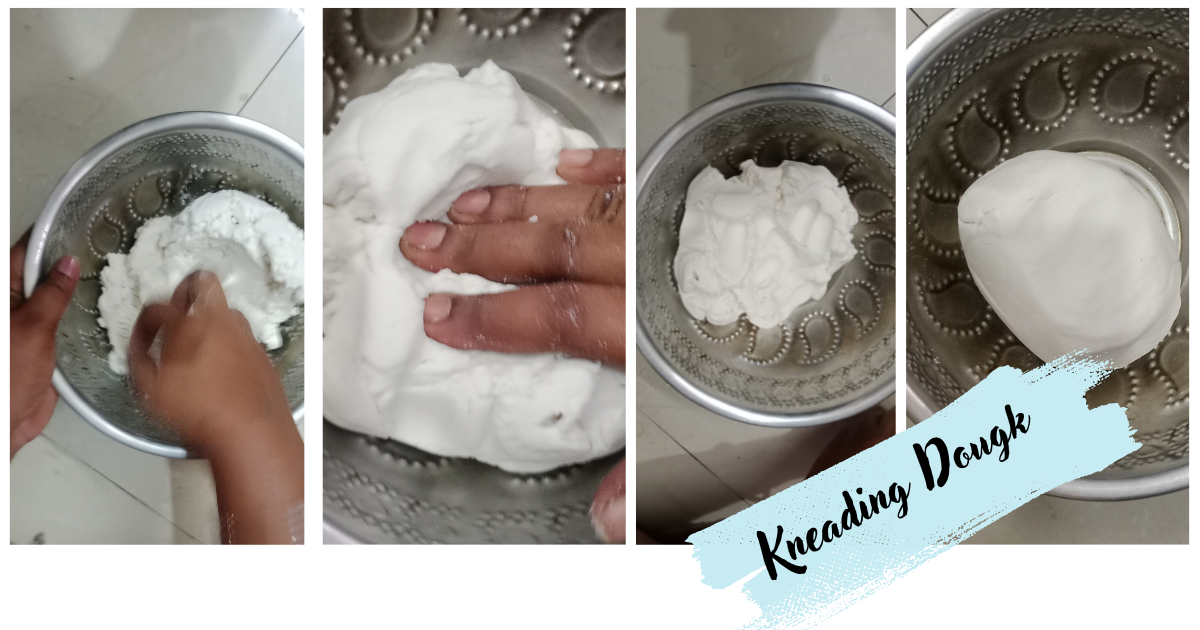
Take the flour, salt, and one teaspoon of sesame oil into a mixing bowl. Gradually add boiling water, and mix thoroughly with the flour using a spoon. Once it becomes crumbly, carefully add more water and knead it well by hand.
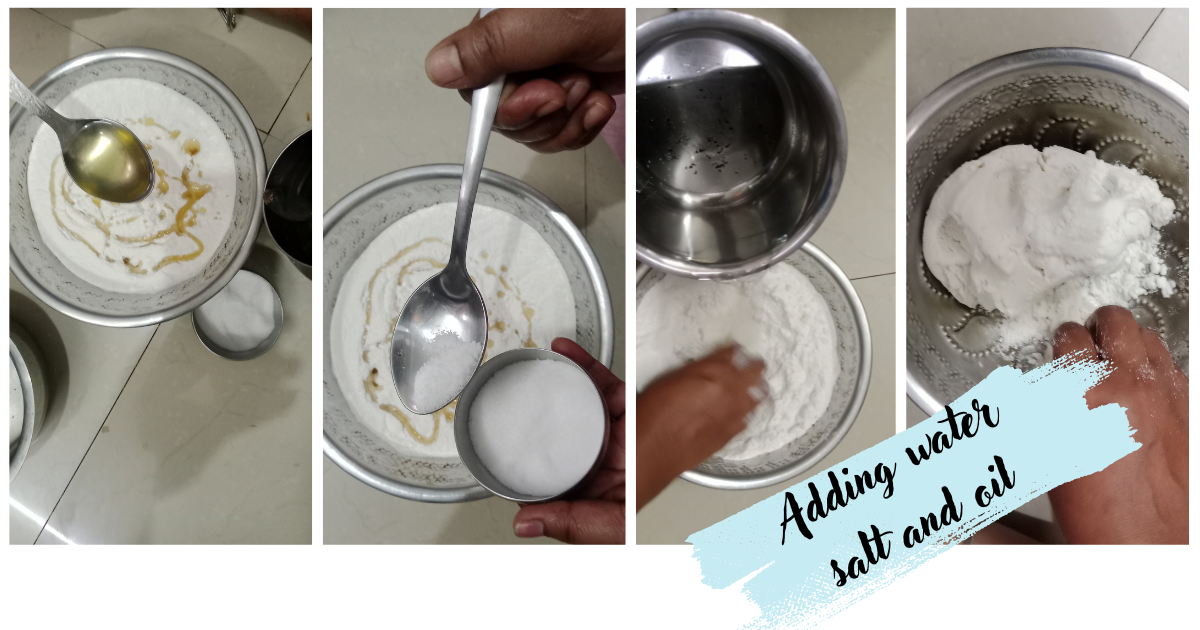
Afterward, once the dough reaches a consistency suitable for handling, apply sesame oil to your hands. Knead it thoroughly. The dough should be soft, non-sticky, and free of cracks.
STEP 2:
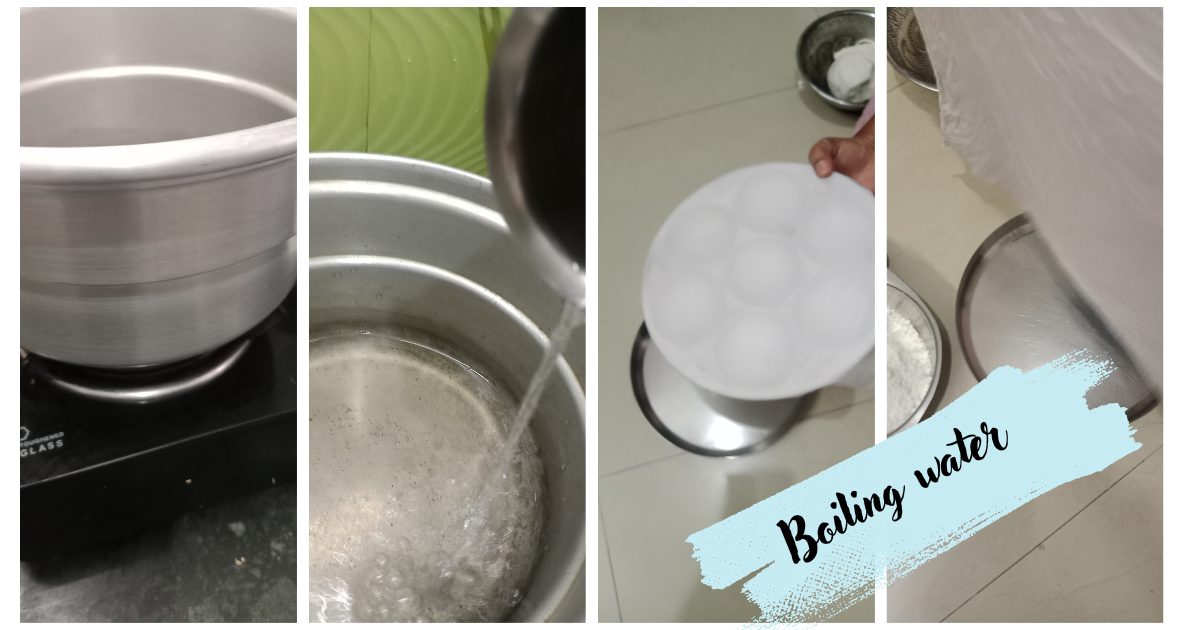
Bring water to a boil in a vessel. For half a cup of flour, I boiled one and a half cups of water—though the entire amount of water may not be required. While the water is coming to a boil, arrange cloth on the steam plate whicj has holes
STEP 3:
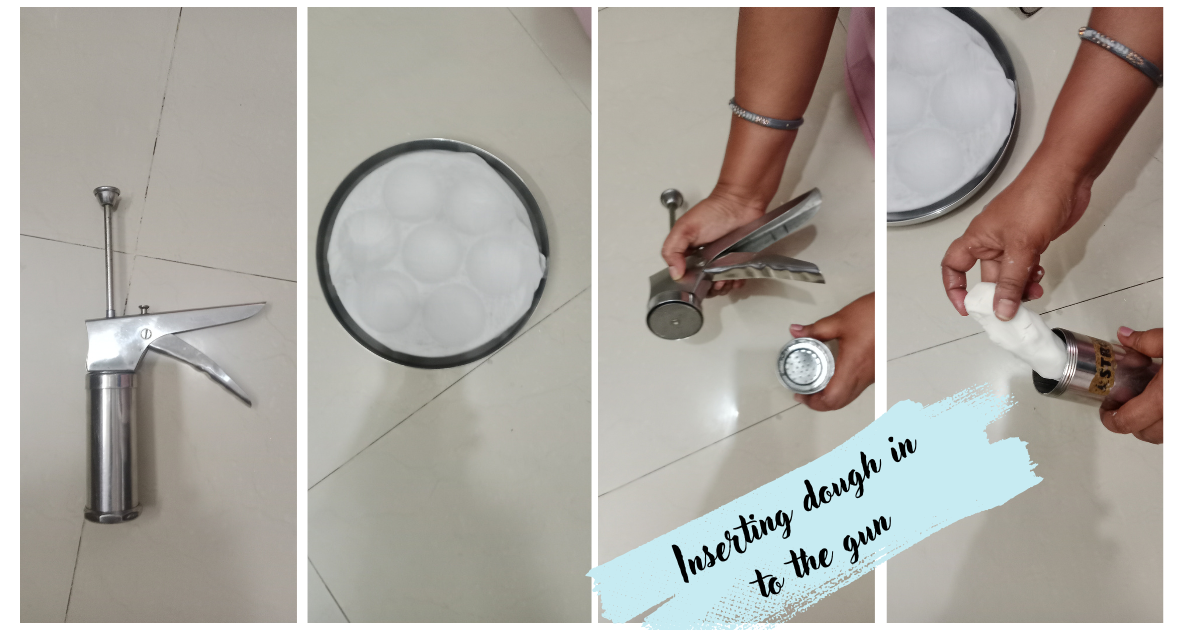
To prepare Idiyappam, a tool known as a gun is required. Take a sufficient amount of dough to fill the gun approximately three-quarters full.
STEP 4:
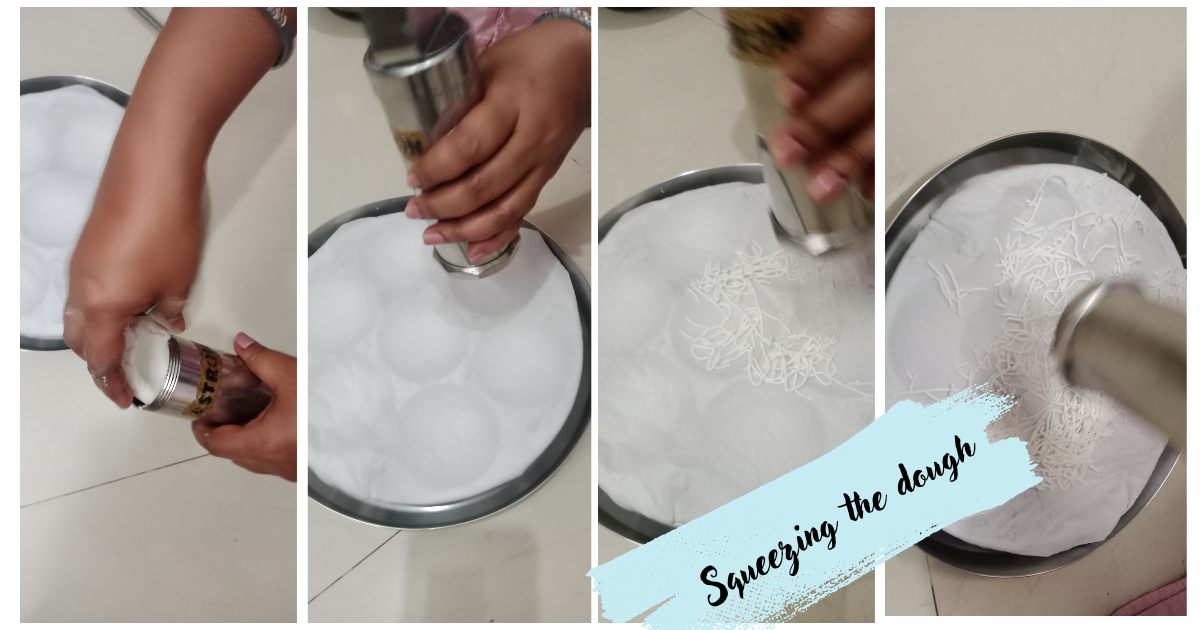
Using a press, squeeze the idiyappam dough onto the cloth lining the idli plate—or directly onto the idiyappam steamer—to form strands resembling noodles.
STEP 5:
Place this plate over the vessel of boiling water and cover the lid to cook in steam. Allow 15 minutes to cook.
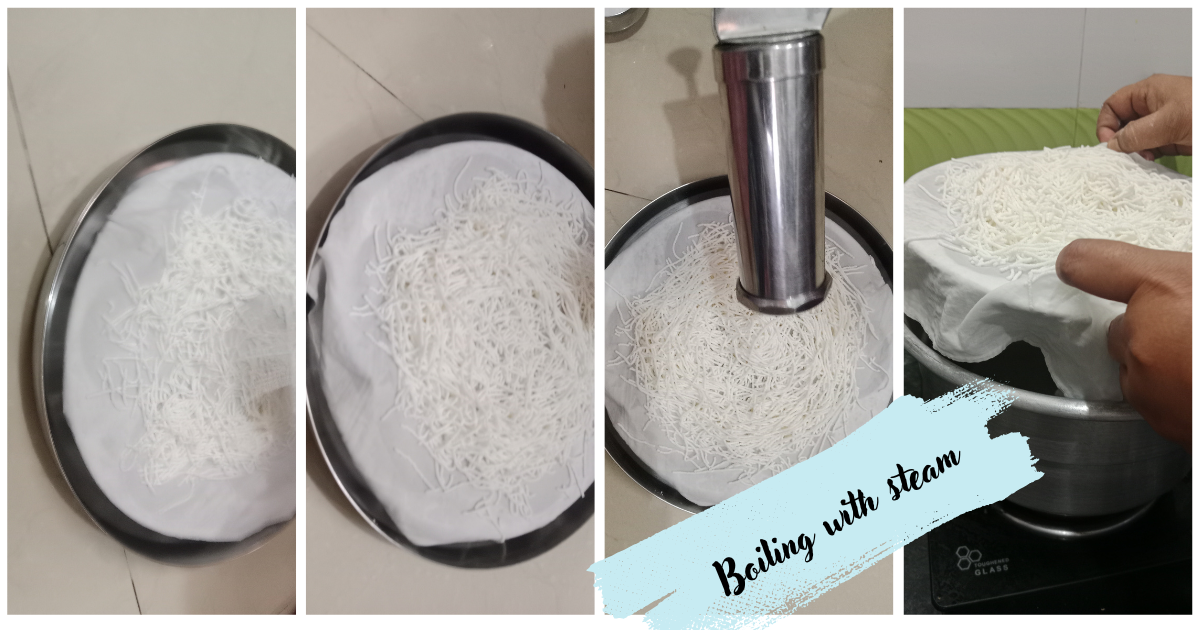
STEP 6:
After 15 minutes, if steam rises or an aroma is detected, open the lid and touch it with your hand; if it does not stick to your hand, it means it is cooked.
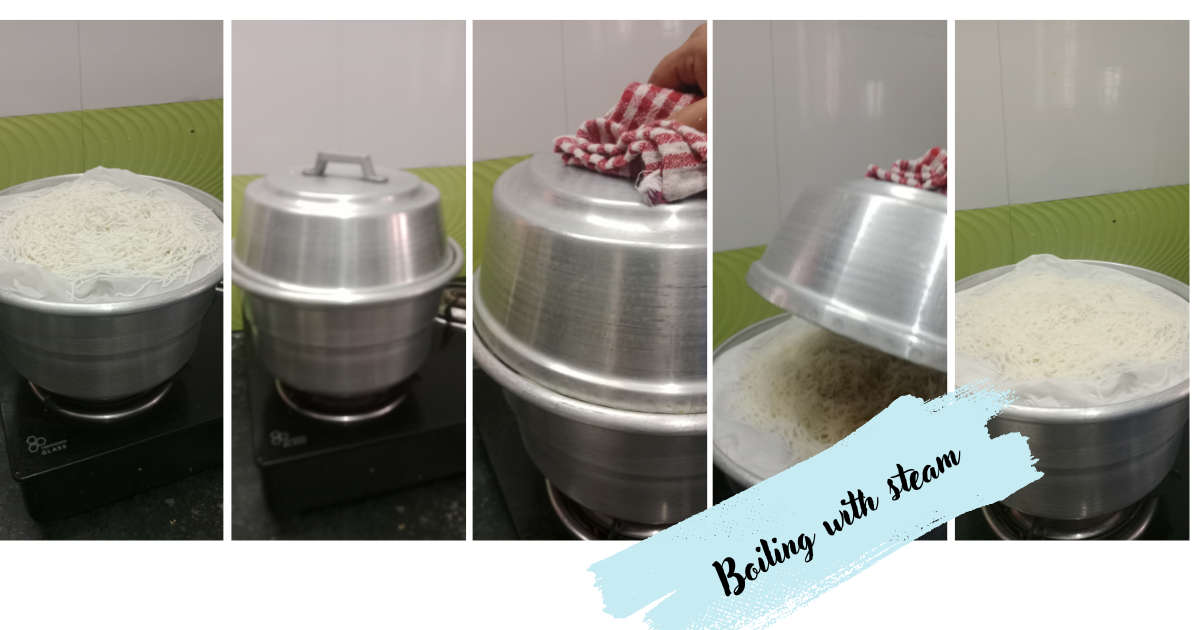
STEP 7:
If you feel cooked, Immediately remove it from the vessel, invert it onto a plate, and store it in a container.
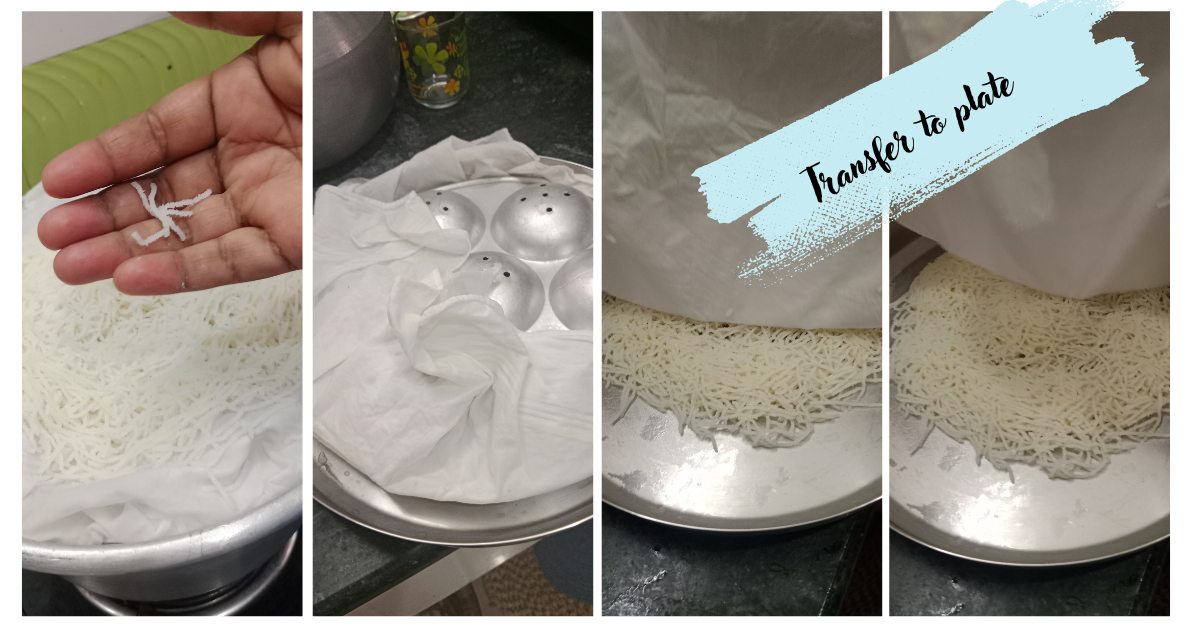
STEP 8:
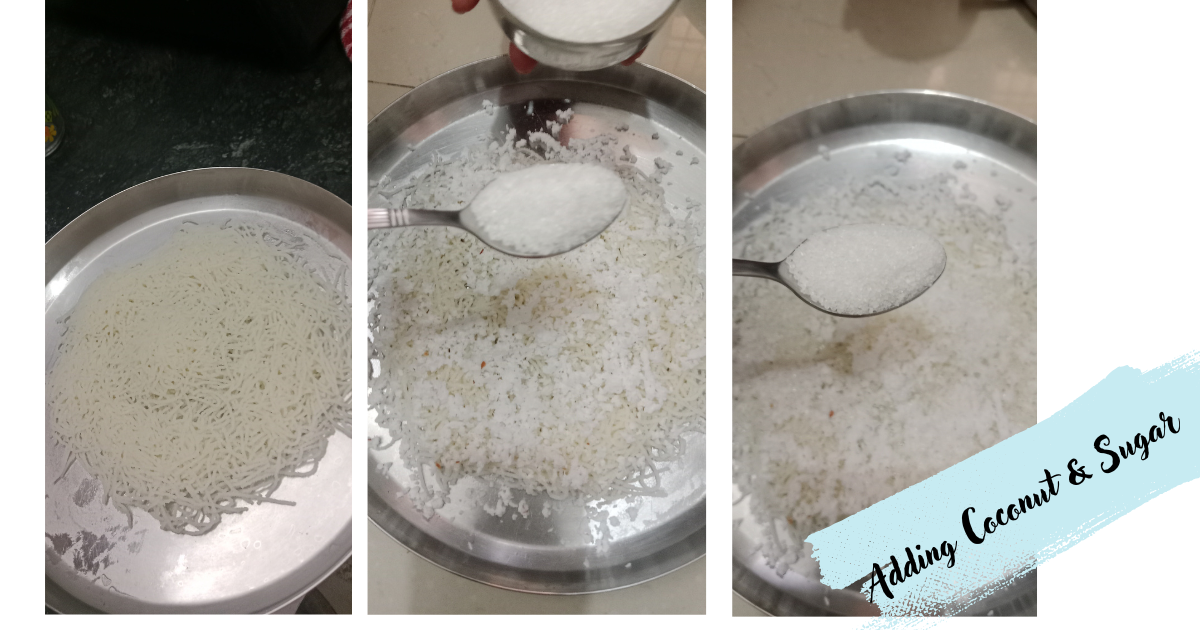
Break open a coconut and, using a grater, finely grate one half of it. Sprinkle the grated coconut over the idiyappam, then take a spoonful of sugar and sprinkle it on top.
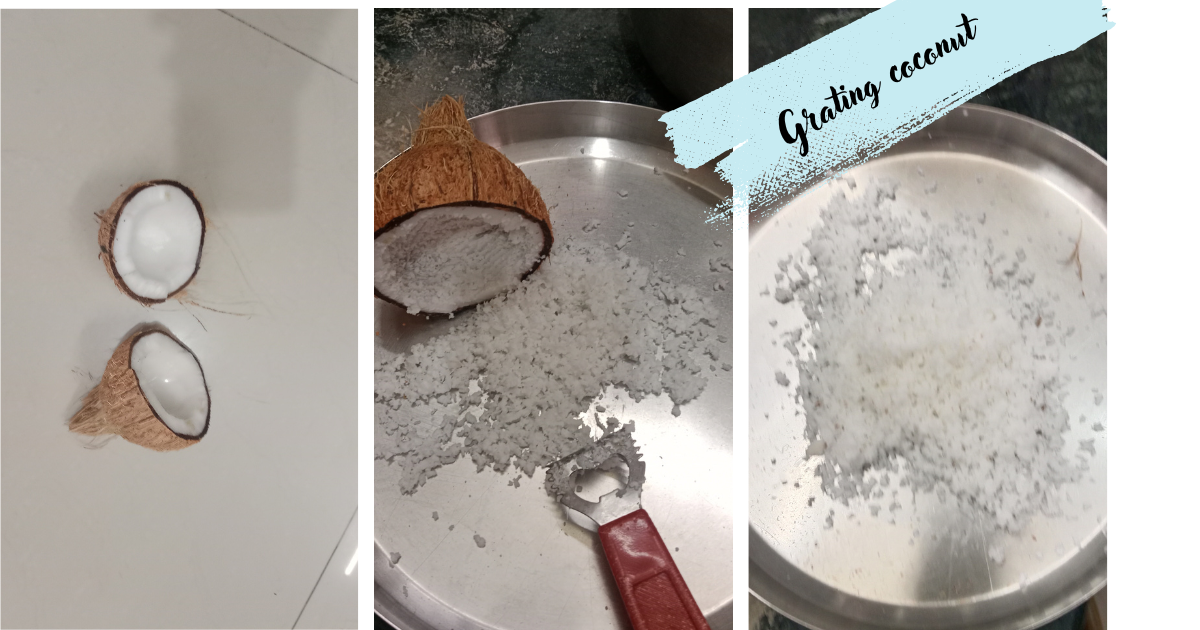
STEP 9:
For those who prefer a sweet taste, this dish can be served as is; cane sugar may even be used as a substitute for regular sugar.
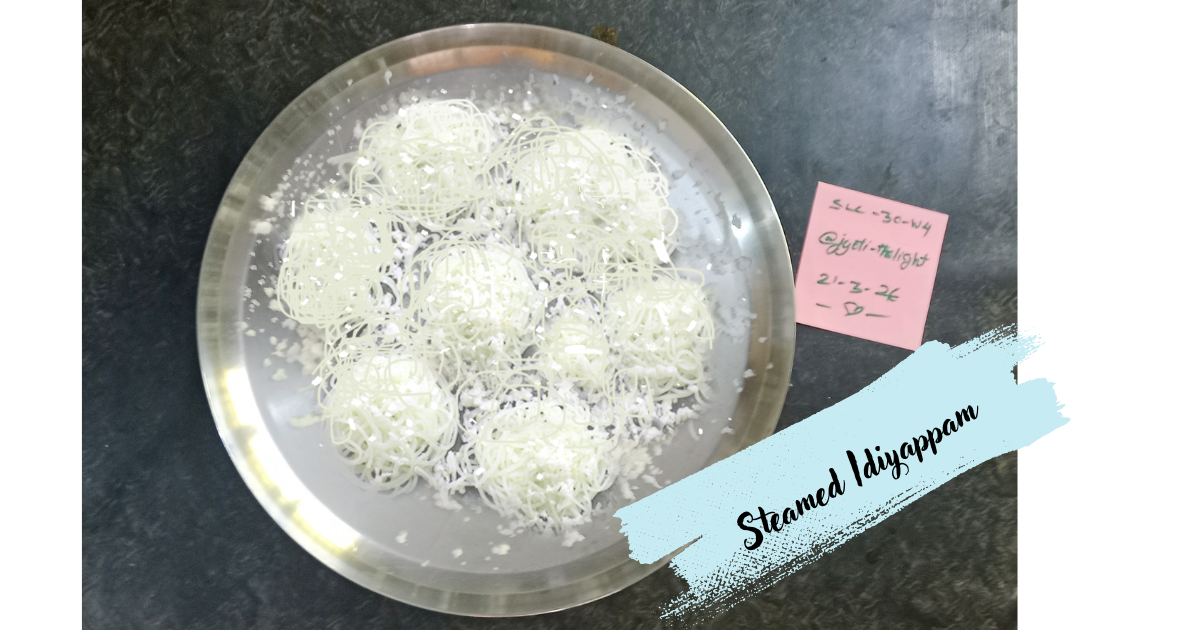
Now the steamed Idiyappam (Rice Noodles) are ready, For those who do not care for sweets, it can be paired with a spicy chickpea kurma or a coconut chutney—it complements all of these accompaniments perfectly.
Students Task
List the varieties of steamed noodles available in your region. Which one is your favorite and why? (2 Marks)
Make the "Idiyappam(Rice Noodles)" or any steamed noodles that are shared in the course, or make them as per your style, with a detailed step-by-step procedure along with images. (5 Marks)
List the ingredients and their prices in your local currency and in STEEM.(1 Mark)
Make a good Presentation of your recipe with a date tag and a selfie. (1 Mark)
Rules and Regulations:
✓ The post can be written on your personal blog or any community.
✓ The title of your post must be: SLC S-30-W4// "Traditional Steam Cooking- Idiyappam (Rice Noodles)"
✓ Use your own images, plagiarism and use of AI are prohibited, the publication must contain a minimum of 300 words.
✓ Make sure to use the tags #tsc-s30w4 , #learnwhithsteem, #steemexclusive, your country tag (example: #india)and #food .
✓ Add #burnsteem25 tag within 4 tags, if you set 25% to @null account
✓ Include a handwritten identification sign next to your food, containing words "Traditional Steam Cooking- Week4" , user name and date .
✓ Invite at least three friends to participate. Example: @cahaya05 , @wirngo , @elsa-queen.
✓ Leave your post link in the comments section of this post.
✓ Any language is accepted.
✓ Promote on social networks like X.
✓ This contest will be open for 7 days, starting at 00:00 UTC on Monday, March 23, 2026, 00:00 UTC to Sunday, March 29, 2026, 23:59 UTC.
Rewards:
SC01 or SC02 will review posts from all participating authors of teaching teams and have the opportunity to upvote any good posts. There is no guarantee that every article will receive an upvote.
Based on their comprehension of the subject, prepared article, quality, and presentation, the top 5 authors will be nominated at the end of each week.
Best regards
@jyoti-thelight
Discord : jyoti-thelight#6650
nice recipe I will try to do it because I like to work on new things.
My entry
https://steemit.com/hindwhale-community/@alexanderpeace/slc-s-30-w4-traditional-steam-cooking-idiyappam-rice-noodles
https://steemit.com/hive179660/@tammanna/slc-s-30-w4-traditional-steam-cooking-idiyappam-rice-noodles
My entry link:https://steemit.com/hindwhale-community/@mariyaafrin/slc-s-30-w4-traditional-steam-cooking-idiyappam-rice-noodles
My entry link
https://steemit.com/hindwhale-community/@rauja/slc-s-30-w4-traditional-steam-cooking-idiyappam-rice-noodles
My entry : https://steemit.com/hive179660/@pea07/slc-s-30-w4-traditional-steam-cooking-idiyappam-rice-noodles
My Entry :
https://steemit.com/hive179660/@jimiaera02/slc-s-30-w4-traditional-steam-cooking-idiyappam-rice-noodles
My Entry Link
https://steemit.com/hindwhale-community/@mueeinislam/slc-s-30-w4-traditional-steam-cooking-idiyappam-rice-noodles
https://steemit.com/hindwhale-community/@afzalqamar/steemit-challenge-season-30-week-4-traditional-steam-cooking-idiyappam-rice-noodles-mdjlte