BAC Canberras on 14 Squadron in the early 1960s
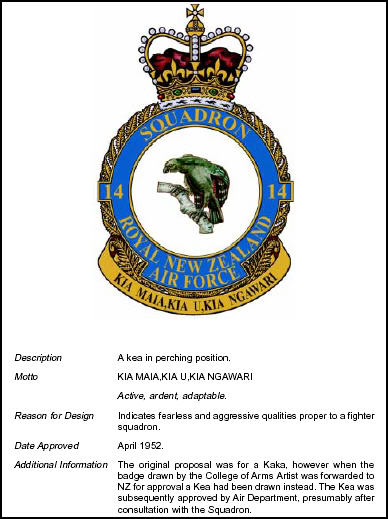
In 1961 I was posted from Woodbourne to Ohakea and sent to 14 Squadron [Sqn] as an engine fitter.
At the time they were flying English Electric Canberra B[I]12 [Bomber Intruder Mk 12]
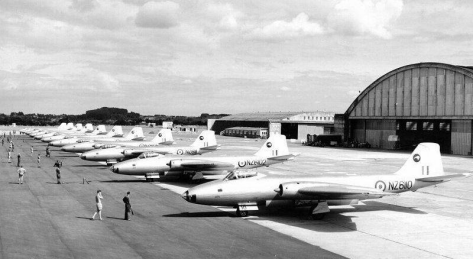
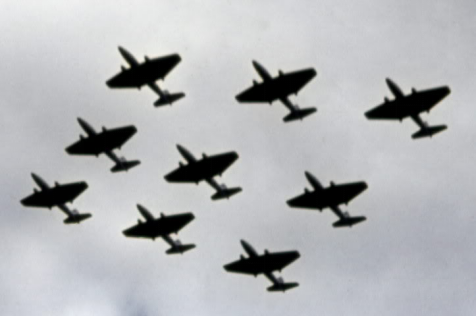
[This low they made a hell of a noise.]
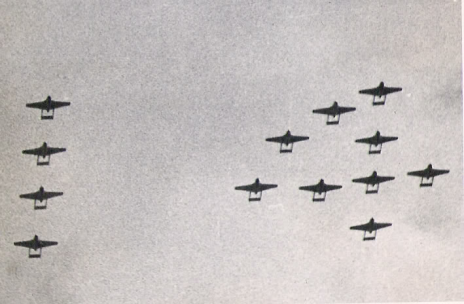
And De Havilland DH 100 Vampire FB 52 [Fighter/bomber] and T11[two seat trainers] Vampires.
The B[I]12 Canberra was distinctive with the pilot's canopy being off set to one side. This was to allow room for the Navigator to sit at his table, lie down and act as bomb aimer, or use his take off position, on the floor, to the right and lower than the Pilot.
Because there was no ventilation in the cockpit, in summer the pilot's position became too hot to remain in for more than a few minutes. [when we did ground engine runs the usual dress was just a pair of undies, with plenty of rags to wipe off the sweat].
We had ‘cold air units’ that blew cool air into the cockpit, unfortunately, hot air rises and there was nowhere for it to go. They made the Navigators position better but not the pilots.
Once the engines have started the aircrew could use the aircraft air conditioning that blew cold air through their Hi G [gravity] flying suits, this helped make their life more comfortable.
The engine was started with a ‘starter cartridge, 6 inches long x 2 inches in diameter, solid cordite.
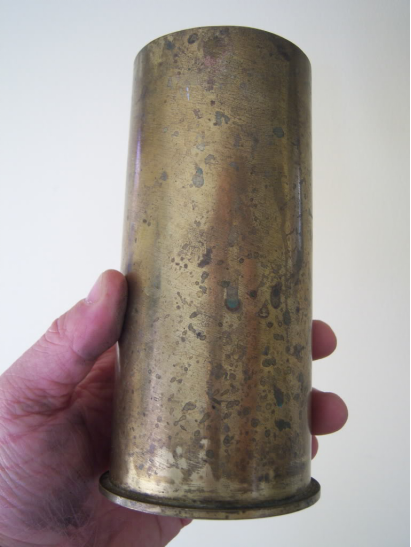
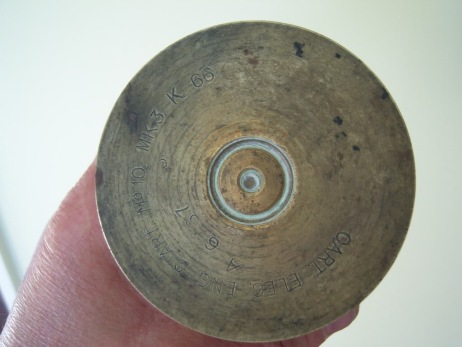
These were fired electronically and the exhaust was fed through a turbine that spun up to, from memory, 80,000 RPM.
This drove a long shaft that was connected to the turbine in the rear of the engine. This started to rotate sucking air through the compressor in the front. At the right moment, fuel was added, the spark plugs would fire, and the engine would speed up until it reached idle RPM.
The B[I]12s had three cartridges in their starter unit so they could re-start in mid air if necessary. The T13 three seat trainer only had one cartridge, so it would have to return to base on one engine.
As you can imagine, that amount of cordite going off created quite a bang.
At this stage in New Zealand television was a very new thing, TVNZ brought their budding reporters and camera men up to Ohakea for their training, something different to shoot, and lots of young men to interview.
Have you noticed that most people have a ‘comfort zone’ around them? If you step too close to someone they will automatically back away, until they are happy with the gap between you and them.
By careful stepping we would get the new interviewer to back into the area the starter exhaust was, [for the average person it is just above the ear, with the exhaust pointing down].
Once we had them in the right position we would hold them there, answering their questions, staying out of their comfort zone.
Then the pilot would hit the starter button, there was more than one sudden rush to the toilet.
If the wind blew over 20Kt {knots] the rudder on the Canberra was too big for the pilot to control with his feet, it could wack from one side to the other, damaging all the controls as it did.
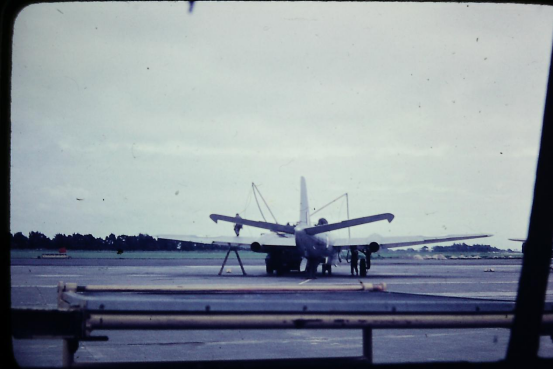
[Doing a refuel, taken from the land rover with the ramp just in front.]
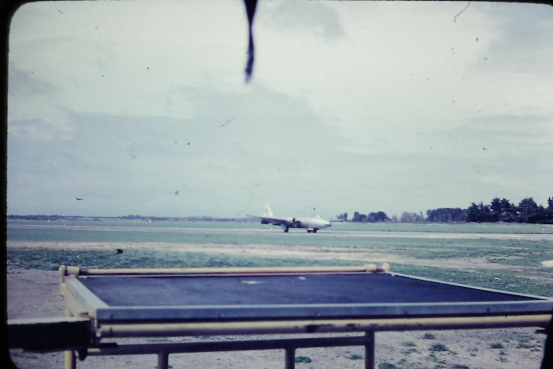
[Waiting for him to enter the holding bay for the rudder lock to be fitted.]
We had to drive out to the end of the runway in a land rover with a platform in front, go passed the stopped Canberra far enough that the jet stream wouldn’t roll the land rover when we turned to approach the tail of the Canberra, At idle it was a good 100 yards down stream at idle. Further, if the engines were above idle.
When we were in position the passenger would get out of the land rover, climb onto the platform with a rudder lock in his hand. The rudder lock was two Vees that fitted between the rudder and the shaped portion of the tail. The driver would then slowly approach the tail until the rudder lock could be fitted and locked.
The passenger then returned to his seat, the land rover reversed, passed through the jet stream and gave the pilot the thumbs up so he could taxi the aircraft back to the dispersal.
The same thing happened before take off as well, except we were removing the rudder lock.
We had to show the rudder lock to the pilot so he could see that it had been removed. The control tower also checked that the job had been done.
The size of a circuit with rudder lock still fitted was enormous, and had been flown on more than one occasion.
There were at least three land rovers rolled onto their sides by people trying to turn through the jet stream too soon, I was lucky and got away with it, even though we got onto two wheels once.
Steemit Bank invested in your post.
Follow Steemit Bank
Support the project by upvoted the this comment.
awsome history and keep it up and read the history and enjoyable
have a look at the previous yarns, and yes there is more to come.
Thank you for your kind comment.