From Vacuum Tubes to Virtual Worlds: How Computers Reshaped Humanity
The history of the computer is a testament to human ingenuity. What began as massive, room-sized calculators capable of little more than basic arithmetic has evolved into the invisible architecture powering our modern existence.
The journey truly began in the mid-20th century with machines like ENIAC. These early behemoths relied on thousands of fragile vacuum tubes and occupied entire floors.
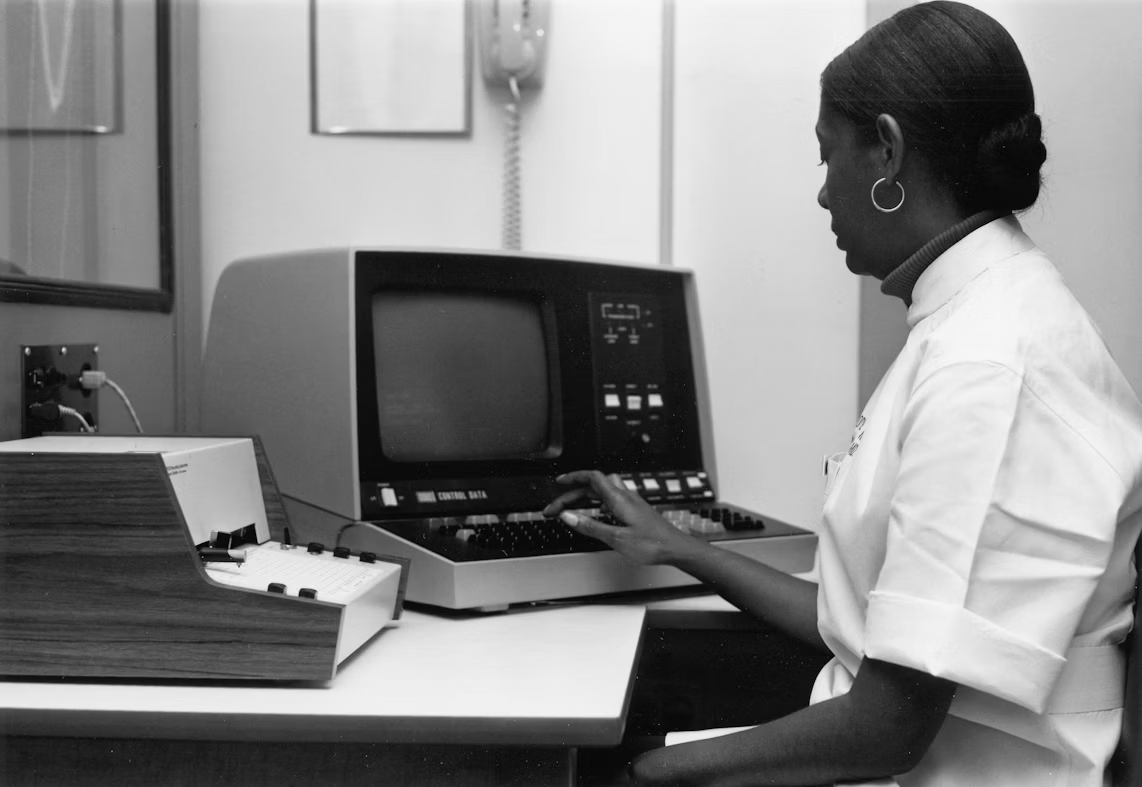
They were painstakingly programmed by hand, often by brilliant women whose contributions remained overlooked for decades. Yet, these machines proved that complex problems could be solved at speeds previously unimaginable.
The game changed with the invention of the transistor in 1947, which allowed computers to shrink from houses to desktops. By the late 20th century, the microchip—an "intellectual revolution on a wafer of silicon"—allowed computing power to increase exponentially while costs plummeted. Suddenly, computers weren't just for governments or giant corporations; they were tools for the individual.
The Societal Shift The transformation of society has been absolute. Computers dismantled the barriers of geography and time, turning the world into a "global village."
They democratized information; the sum of human knowledge is now accessible to anyone with a smartphone. In the workplace, they shifted us from manual labor to an information-based economy, automating mundane tasks and fostering unprecedented levels of global collaboration.
Beyond productivity, computers redefined how we connect. From email to social media, we have moved into a state of permanent digital tethering. While this has fostered innovation and global empathy, it has also raised critical questions about privacy, attention spans, and the digital divide.
As we stand on the precipice of the Artificial Intelligence era, we aren't just using computers anymore—we are evolving alongside them.
From the heavy vacuum tubes of the 1940s to the AI-driven devices of today, computers have moved from being our tools to becoming the very fabric of our reality.