The Next Crypto Revolution May Not Be About Bitcoin
When most people hear the word crypto, the first thing that comes to mind is Bitcoin.
Bitcoin started a completely different way of thinking about money. But something interesting is happening now.
The next big change in crypto may not come from another Bitcoin price move.

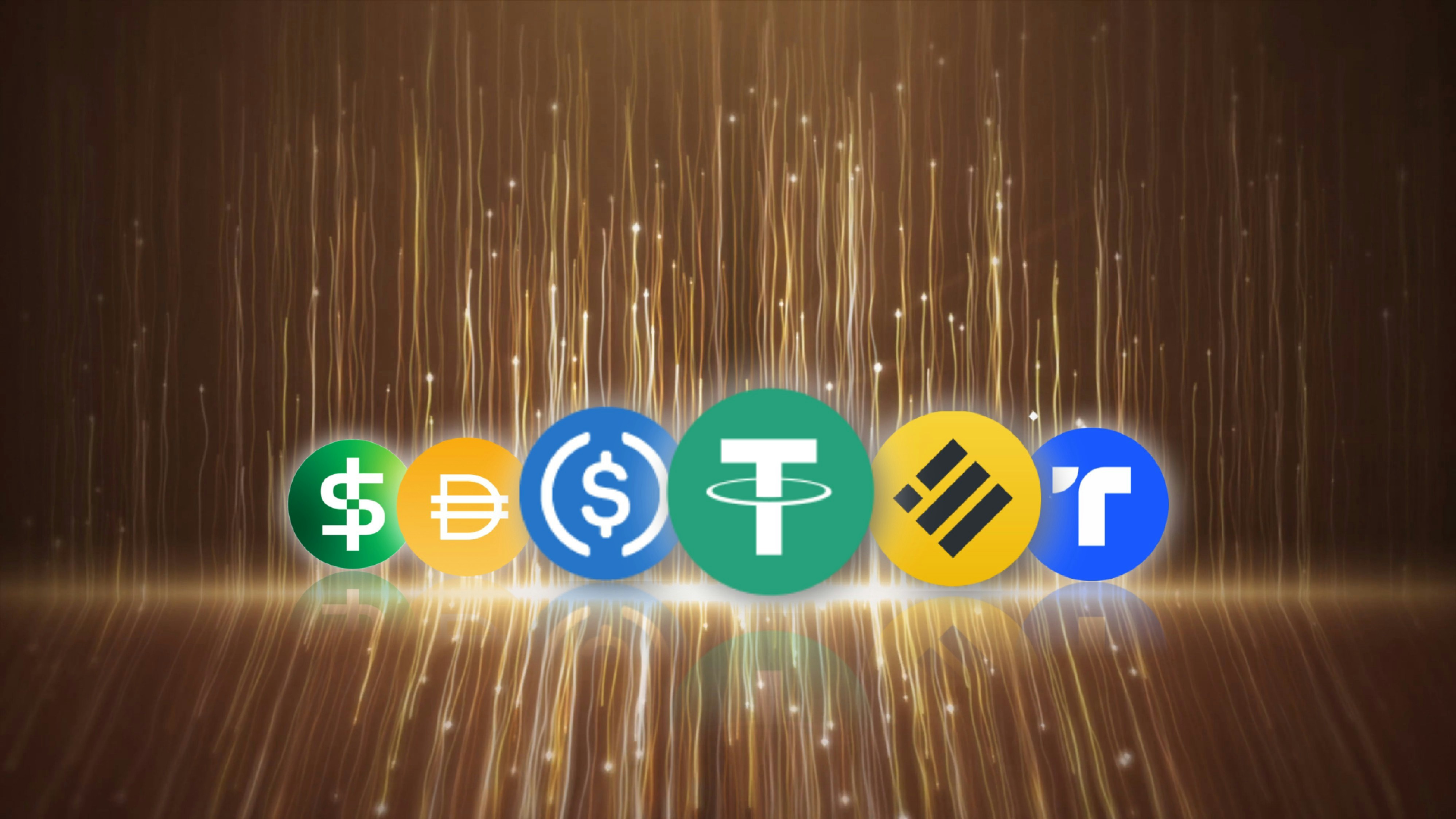
It may come from something much simpler: how people move money.
Crypto Is Becoming More Than Trading
For years, many people saw crypto mainly as something to buy, hold, or trade.
But blockchain technology can do more than that.
One area getting serious attention is tokenization.
In simple words, tokenization means putting ownership or value of an asset onto a blockchain so it can be represented and transferred digitally.
The International Monetary Fund says tokenization is becoming increasingly important in financial markets, including tokenized money, stablecoins, deposits and securities.
That could change the way financial transactions happen.
Stablecoins Could Be a Big Part of This Change
Think about sending money to someone in another country.
Traditional payment systems can involve banks, payment companies, different currencies and several steps.
A stablecoin works differently.
A stablecoin is a crypto token designed to keep a relatively stable value, often by being linked to a traditional currency such as the US dollar.
This is one reason stablecoins are attracting attention in payments.
The IMF says stablecoins could potentially make cross-border payments faster and cheaper, while also bringing new risks that need to be managed.
So the interesting question is not simply:
“Will Bitcoin go up?”
The bigger question may be:
“Will people start using blockchain as part of everyday money movement?”
Even Central Banks Are Looking at Blockchain
This is where things become even more interesting.
On September 21, 2026, the European Central Bank launched a blockchain-related service called Pontes for wholesale financial markets.
The system connects its payment infrastructure with blockchain-based financial markets and allows participating institutions to settle certain blockchain transactions using central-bank money.
That does not mean central banks are suddenly replacing traditional money with Bitcoin.
It means blockchain technology is being explored inside parts of the traditional financial system.
That is a very different story from the old idea that crypto exists completely outside traditional finance.
But There Is a Problem
Crypto and tokenization are not magic.
There are still serious questions about regulation, security, liquidity, technology and who is responsible when something goes wrong.
The BIS has also warned that stablecoins have structural weaknesses and that widespread adoption could create financial-stability challenges.
So we should not assume that every blockchain project will succeed.
Some will fail.
Some ideas will disappear.
Others may become part of normal financial infrastructure.
What Could the Future Look Like?
Imagine opening your phone five years from now.
You may not even think about whether a payment is happening on a blockchain.
You simply send money.
Behind the scenes, blockchain technology, tokenized assets and digital money could be doing the work.
That is what makes this trend interesting.
The biggest crypto revolution may not be another coin.
It may be the moment when blockchain becomes so normal that ordinary people stop noticing that they are using it.
Bitcoin may have started the crypto story.
But the next chapter could be much bigger than Bitcoin.