GreenKurban: Maintaining Worship, Protecting the Earth for Future Generations
The act of sacrifice is an act of worship performed by Muslims worldwide every year during the month of Zulhijah. Every Eid al-Adha, millions of animals are slaughtered worldwide to commemorate the sacrifice of Prophet Ibrahim (peace be upon him). It is not the meat or blood of the sacrificial animals that reaches Allah SWT, but the piety of each Muslim who performs it. Muslims in Indonesia are among the largest contributors of sacrificial animals every Eid al-Adha. According to national data, the number of sacrificial animals in 2026 is estimated to reach around 2.35 million. Goats remain the preferred choice, with approximately 63 percent of the population.
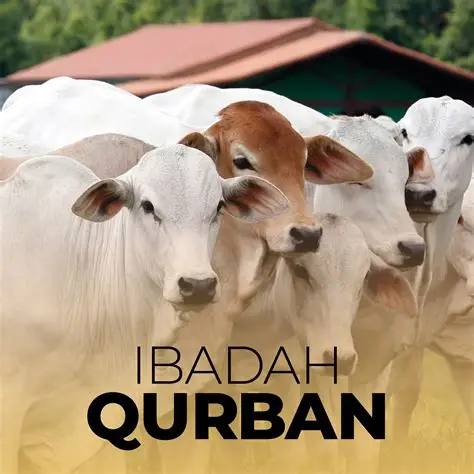
The increase in the number of sacrificial animals in Indonesia reflects a growing religious awareness, purchasing power, and interest in sacrificing. However, behind this increasingly massive social piety, there is an environmental impact that should not be overlooked. The simultaneous slaughter of sacrificial animals in a short period of time presents a significant ecological burden in the form of greenhouse gas emissions, particularly methane from ruminants, which exacerbates global warming, as well as waste in the form of millions of liters of blood and tonnage of offal. If not managed properly, it will pollute rivers and water sources for the community.
The rapid surge in demand for sacrificial animals has also put pressure on biotic resources and grazing land in livestock-supplying areas. Some critics even believe that sacrifice has often shifted from a means of spiritual transformation to a symbol of social prestige, thus obscuring its essence as a purification from greed. Out of this concern, the idea of Green Qurban was born, an environmentally friendly qurbani that combines religious observance with the principles of sustainability and ecological responsibility. Green Qurban's principles include processing waste into organic fertilizer, plastic-free distribution, a one-animal-one-tree initiative, selecting local livestock to reduce the carbon footprint, and ensuring animal welfare in accordance with the Islamic spirit of mercy.
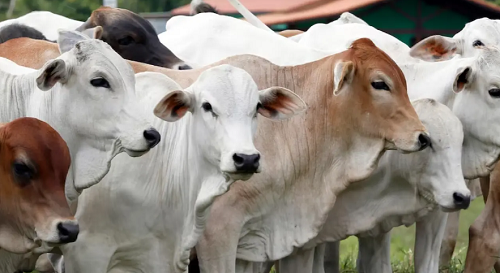
As climate change becomes increasingly uncontrollable, such local practices remain important. The majority of Islamic scholars categorize qurban as sunnah muakkad, not an absolute obligation. Abu Bakr and Umar ibn Khattab deliberately refrained from qurbani for several years, not out of reluctance, but to prevent people from perceiving it as obligatory. This logic is based on the essence of Surah Al-Hajj, verse 37, which states that what reaches God is not the flesh or blood of animals, but piety. Religious practices, including sacrifice, are valid for continually adapting to changes in the natural environment, in order to remain both sharia-compliant and ecologically sound. We must not only consider our lives today, but also those of future generations.
Regards,
@fadlymatch
Thank you