Planetary defense underway.
Planetary defense underway.
Souce
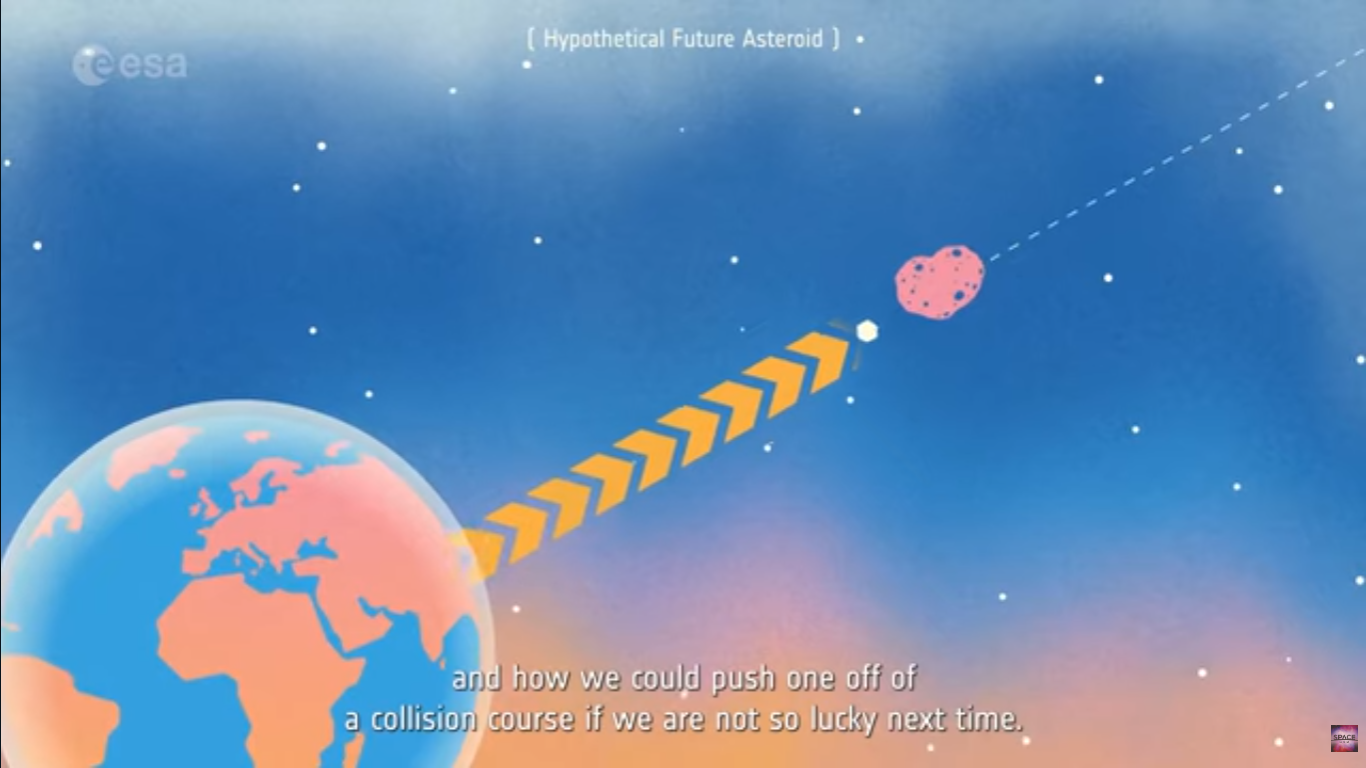
Europe and Japan have joined forces in a planetary defense plan against asteroids and comets and its objective is Apophis. They have signed a memorandum of cooperation for the Ramses mission, an acronym that refers to several Egyptian pharaohs with the name Ramses, but specifically this mission is going to study Apophis, which is an asteroid 375 m in diameter, according to the latest estimate, because the previous one was around 400 to 450.
They are the satellites that are in a fixed position, since Apophis is going to pass even closer to the Earth than these satellites, it is not a destroyer of worlds, but if it falls on a city it would destroy it.
The images without reference were created with AI
Thank you for visiting my blog. If you like posts about #science, #planet, #politics, #rights #crypto, #traveling and discovering secrets and beauties of the #universe, feel free to Follow me as these are the topics I write about the most. Have a wonderful day and stay on this great platform :) :)
Congratulations!
Your post has been selected and upvoted by the SteemPro Team 🚀
Explore more on SteemPro:
🌐 https://www.steempro.com
🎮 Play SteemHeights: https://www.steempro.com/games/steem-heights
💬 Join our Discord: https://discord.gg/Bsf98vMg6U
💪 Supporting the growth of the Steem ecosystem together.
🟩 Vote for witness faisalamin:
https://steemitwallet.com/~witnesses
https://www.steempro.com/witnesses#faisalamin
This is an automated message.
Honestly, this is the kind of science news that actually gets me excited. No fake tech hype—just humanity looking at a 375-meter space rock and saying, "Let’s go check it out."
The whole thing is crazy. We usually think of space defense as blowing things up, but watching Earth’s gravity trigger "space earthquakes" and literally reshape the asteroid is going to be wild. It’s a rare chance to see how nature works on a massive scale right in our backyard.
The best part about this mission is that they aren't sugar-coating anything. Admitting that Earth’s gravity could either fling this thing safely away or mess up its path and screw us over in the future is the kind of honesty I respect. We don't know what will happen next, which is exactly why spending the cash to send a spacecraft out there to watch it live is a smart move. Just sitting around and hoping for the best is a terrible plan.
Passing closer than our own TV and weather satellites is a massive wake-up call. It's going to be something else watching 2 billion people look up at the night sky in 2029. Hopefully, they’ll realize we live in a cosmic shooting gallery and that teams like Europe and Japan working together isn't just nice—it's necessary if we don't want to go out like the dinosaurs. Cool post on a genuinely interesting topic.