What is SpaceX's Starfall, and what is it used for?/¿Que es Starfall de SpaceX y para que sirve?
Source
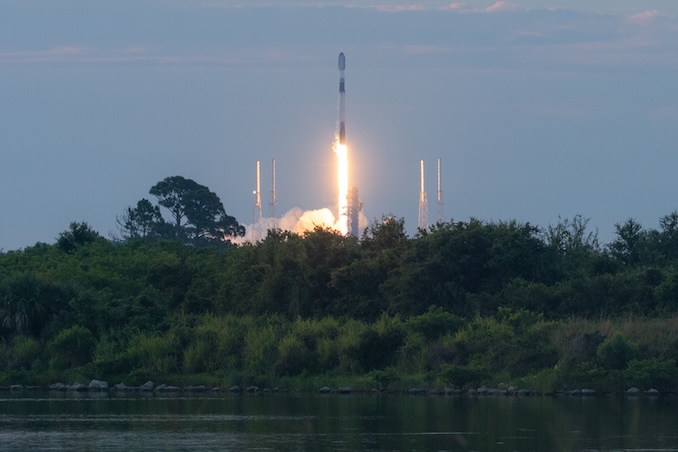
On June 23, 2026, the first test flight—dubbed "Starfall Demo"—launched from Cape Canaveral aboard a Falcon 9 rocket. Unlike other SpaceX missions, this one was marked by unusual secrecy; the company cut the live feed before showing the capsule's deployment and only confirmed hours later that it had been deployed into orbit, offering no details regarding its reentry or whether it was successfully recovered. Behind this mysterious scenario lies Starfall, set to become Elon Musk's next plaything.
El 23 de junio de 2026 desde Cabo Cañaveral en un cohete Falcon 9, se realizó el primer vuelo de prueba, llamado Starfall Demo. Al contrario que otras misiones de SpaceX, esta misión se caracterizó por un hermetismo inusual, la compañía cortó la retransmisión en directo antes de mostrar el despliegue de la cápsula y solo confirmó horas después que se había desplegado en órbita, sin dar detalles sobre su re-entrada o si fue recuperada con éxito. Tras todo este escenario misterioso se halla Starfall y será el próximo juguete de Elon Musk.
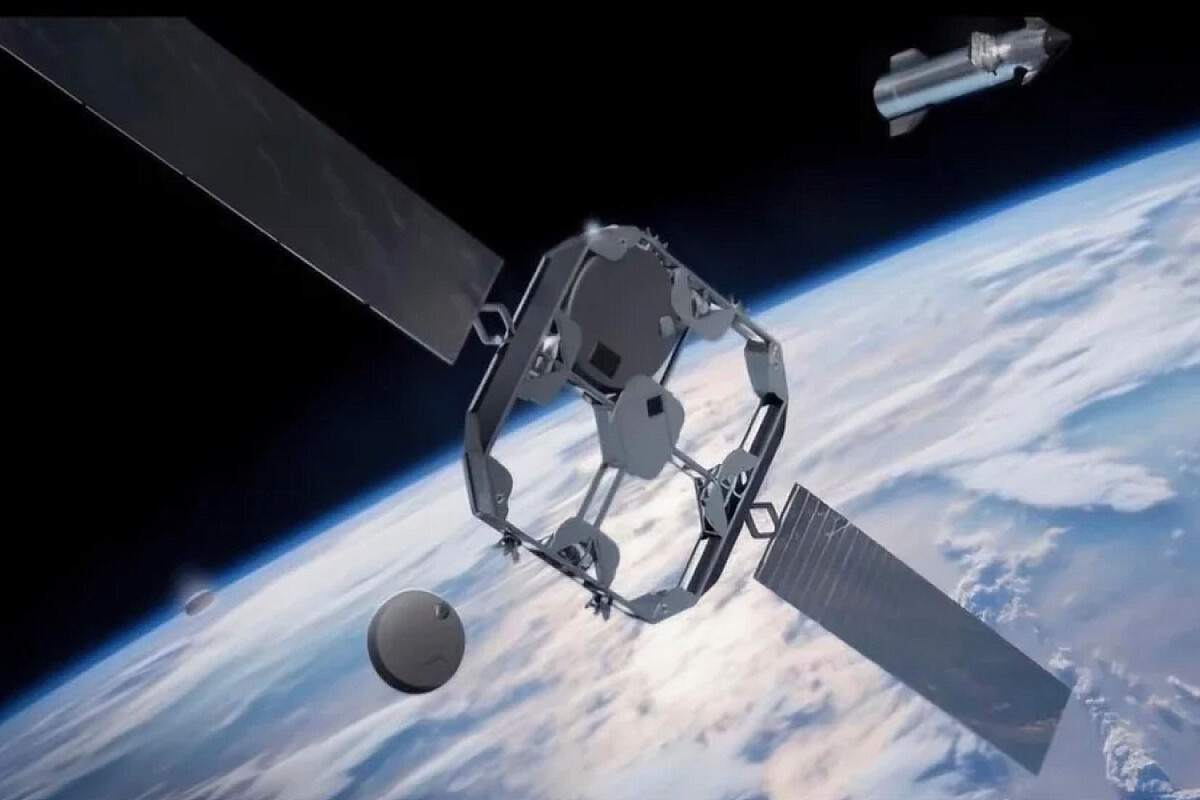
Starfall is a new reusable, uncrewed spacecraft from SpaceX, designed to create an in-orbit "microgravity laboratory" and return materials manufactured in space—or the results of scientific research conducted in microgravity—to Earth. Its design differs radically from that of other spacecraft, such as the Dragon capsule. It is disc-shaped, measuring approximately 3 meters in diameter and just 75 centimeters in height, giving it the appearance of a flying saucer—much to the delight of ufologists.
Starfall es un nuevo vehículo espacial no tripulado y reutilizable de la compañía SpaceX, diseñado para crear un "laboratorio de microgravedad" en órbita y traer de vuelta a la Tierra los materiales fabricados en el espacio o resultados de investigaciones científicas realizadas en micro-gravedad. Su diseño es radicalmente diferente al de otras naves como la cápsula Dragon. Tiene forma de disco, mide unos 3 metros de diámetro y solo 75 centímetros de alto, lo que lo hace parecer un platillo volante para deleite de los ufólogos.
Source
Starfall does not carry its own propulsion system; instead, it uses cold gas (nitrogen) to maneuver in space and orients itself using a carbon-fiber heat shield to withstand the heat of atmospheric re-entry. According to official information and documents submitted to the U.S. Federal Aviation Administration (FAA), Starfall has two primary objectives. Its stated purpose is to provide "affordable and routine" access to the microgravity environment for scientific research and in-space manufacturing.
Starfall No lleva un sistema de propulsión propio, sino que utiliza gas frío (nitrógeno) para maniobrar en el espacio y se orienta con un escudo térmico de fibra de carbono para soportar los calores de la re-entrada en la atmósfera. Según la información oficial y los documentos presentados ante la Administración Federal de Aviación (FAA) de Estados Unidos, Starfall tiene dos objetivos principales. Su propósito declarado es ofrecer un acceso "asequible y rutinario" al entorno de microgravedad para la investigación científica y la fabricación en el espacio.
The idea is for companies or researchers to place materials in orbit—such as proteins, semiconductors, or pharmaceuticals that can only be manufactured in weightless conditions—and then bring them back to Earth. It can carry up to 1,000 kg of cargo. FAA documentation also mentions its use for the "rapid, point-to-point delivery of critical cargo through space." This has sparked speculation regarding potential military or defense applications, as it would enable the delivery of supplies to any location on the planet in under one or two hours.
La idea es que empresas o investigadores puedan poner materiales en órbita, como proteínas, semiconductores o productos farmacéuticos, que solo pueden fabricarse en condiciones de ingravidez, y luego traerlos de vuelta a la Tierra. Puede transportar hasta 1.000 kg de carga. La documentación de la FAA también menciona su uso para la "entrega punto a punto de carga crítica a través del espacio en plazos rápidos". Esto ha generado especulaciones sobre un posible uso militar o de defensa, ya que permitiría enviar suministros a cualquier punto del planeta en menos de una o dos horas.
Source
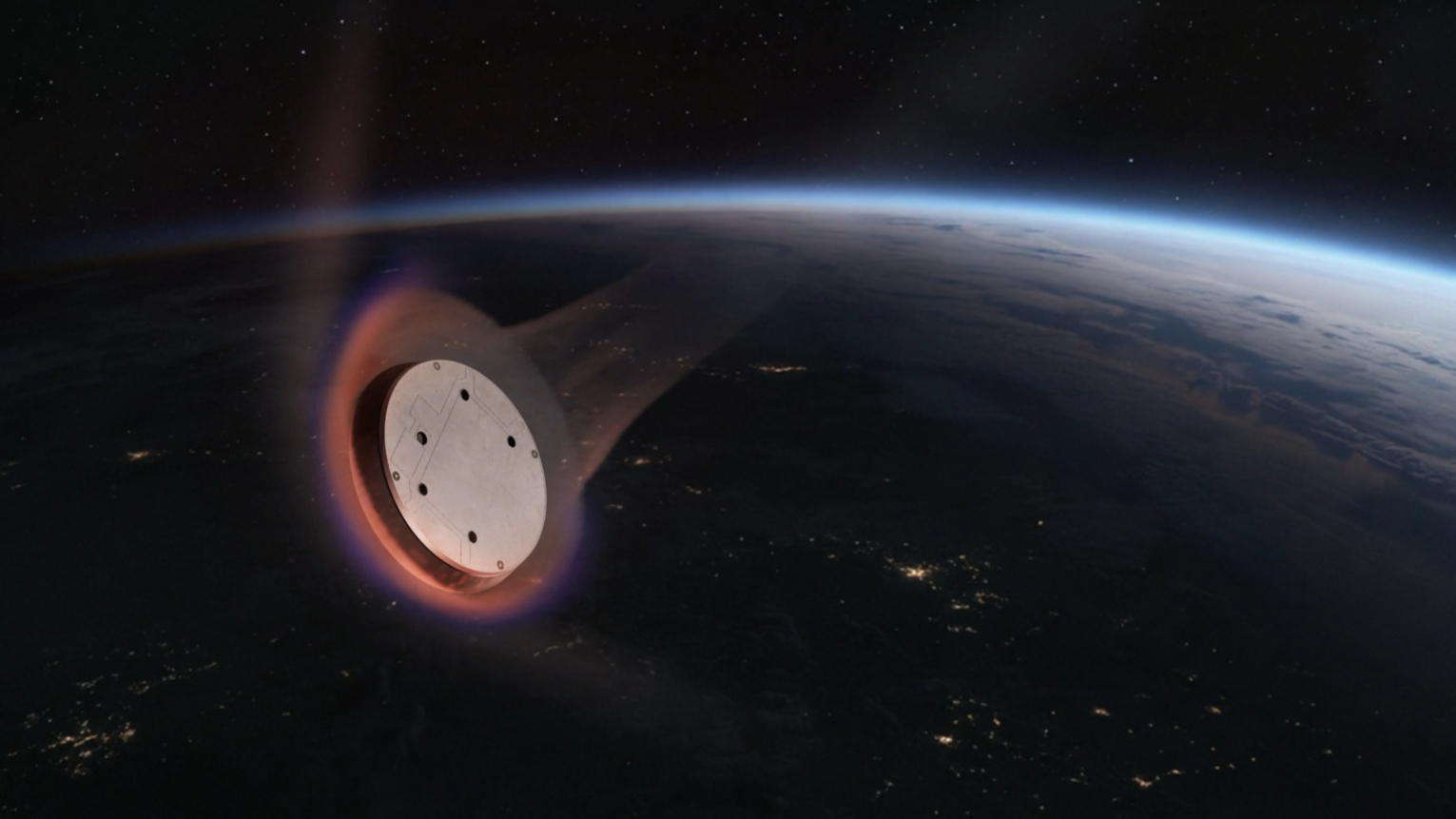
Although there is no official confirmation regarding the military use of Starfall, an analysis of its design, the secrecy surrounding its launch, and the covert nature of the test mission—during which SpaceX did not broadcast key phases—have fueled suspicions and suggest that its primary advantage would be revolutionizing military logistics. The ability to launch a capsule from space and have it re-enter the atmosphere to reach a specific location would be a game-changer. Tasks that currently take days or weeks via sea or air transport could be accomplished in under an hour or two. This would be vital for resupplying combat forces, deploying emergency equipment, or responding to humanitarian crises.
Aunque no existe una confirmación oficial sobre el uso militar de Starfall, el análisis de su diseño, el secretismo del lanzamiento y la naturaleza secreta de la misión de prueba, en la que SpaceX no retransmitió las fases clave, ha alimentado estas sospechas y apuntan a que su principal ventaja sería revolucionar la logística militar. La capacidad de lanzar una cápsula desde el espacio y hacerla reentrar en la atmósfera para llegar a un punto concreto cambiaría las reglas del juego. Lo que hoy toma días o semanas en transporte marítimo o aéreo, se podría hacer en menos de una hora o dos. Esto sería vital para reabastecer fuerzas en combate, enviar equipos de emergencia o responder a crisis humanitarias.
The military advantage lies not merely in transport, but in the underlying concept. Starfall would fit into a broader strategy of creating "orbital depots"—a fleet of space-based pods ready for deployment on demand. This would allow the military to drastically reduce its reliance on ground-based depots—which are easy targets—and deter attacks by dispersing and concealing supplies in space. In short, Starfall’s primary military advantage is a capability for ultra-fast, global, autonomous, and hard-to-intercept deployment; this could completely transform U.S. combat logistics and power projection, although for now, it remains a capability in the testing phase and shrouded in deep secrecy.
La ventaja militar no es solo el transporte, sino el concepto de fondo. Starfall encajaría en una estrategia más amplia de crear "almacenes orbitales": una flota de cápsulas en el espacio listas para ser lanzadas cuando sea necesario. Esto permitiría a los militares reducir drásticamente su dependencia de almacenes terrestres, que son objetivos fáciles, y disuadir ataques al diseminar y ocultar sus suministros en el espacio. En resumen, la principal ventaja de Starfall para el ámbito militar es una capacidad de despliegue ultrarrápido, global, autónoma y difícil de interceptar, que podría transformar por completo la logística de combate y la proyección de poder de Estados Unidos, aunque por ahora sigue siendo una capacidad en fase de prueba y rodeada de un gran misterio.
More information/Más información
https://www.space.com/space-exploration/launches-spacecraft/what-is-starfall-a-look-at-spacexs-mysterious-new-return-capsule
Nice summary. While Starfall's best potential lies in its ability to facilitate more practical microgravity research and in-space manufacturing; its rapid cargo capability naturally leads to speculations regarding defense applications. Without further technical details from SpaceX at this time, it's prudent to regard confirmed goals as distinct from reasonable assumptions regarding the future of Starfall. I found this to be a very interesting reading!
0.00 SBD,
0.78 STEEM,
0.78 SP