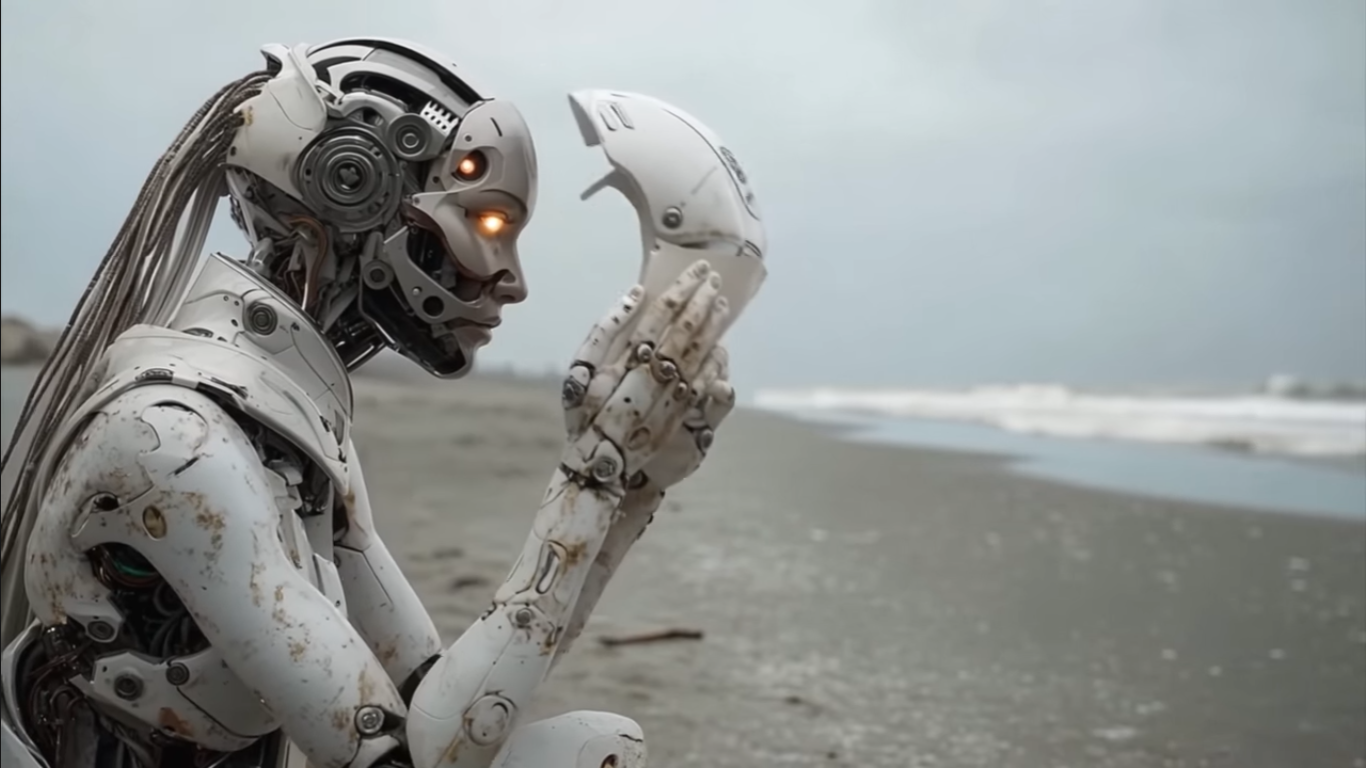
When technology mixes with biology.

in Popular STEMyesterday

When technology mixes with biology.


AI


Towards the human 2.0


Gene editing technology developed from Jennifer Donad's research paved the way for companies like Crisper Therapeutics to begin editing defective genes directly in the human body.


In 2026 there are already applications being studied to combat high cholesterol, degenerative diseases and even Alzheimer's before the appearance of symptoms; for the first time, humanity begins to consider the possibility of eliminating genetic predispositions even before birth.


And curiously, even Sam Altman himself entered this biological race. The CEO of Open AI invested $180 million in retro biosciences, the company's goal is to add at least 10 healthy years to human life, combating chronic inflammation associated with aging. At the same time, companies like In Silvical Medicine are using artificial intelligence to discover new drugs in weeks, something that previously took years.


And this is where things really start to get mixed up. The machine begins to teach biology to survive longer. But what if the biological body was just the beginning? Musk sees Neuralink as a bridge to something much greater, the symbiosis between humans and artificial intelligence. Today, Neuralink chips already allow patients to control computers using just their thoughts.


But the end goal was never just accessibility.


Elon Musk openly talks about cognitive expansion, integration with AI and even digital preservation of consciousness, the idea seems like something out of a movie, but it has already begun to enter real debates within neuro-technology, if one day we manage to map thoughts, memories and neural patterns in brain-machine interfaces, part of what we call consciousness, your essence and mine, could survive the collapse of the biological body.


That is the human 2.0, a hybrid being connected to the machine capable of processing information at speeds impossible for the natural brain and prepared to survive in extreme environments, including deep space, in the end, the human 2.0 But perhaps it is not just about surviving forever, perhaps it is about slowly abandoning the biological limitations that have accompanied the human species since the beginning of civilization, we are leaving the era of genetic luck to enter the era of biological design.


Now I want to know your opinion. Would you agree to implant a chip like Neuralink's if it could prolong an enhancement, or the preservation of your consciousness, or even promise some kind of digital immortality?


Follow my publications with the latest in artificial intelligence, robotics and technology.

If you like to read about science, health and how to improve your life with science, I invite you to go to the previous publications.


Sort:  

Congratulations!

Your post has been selected and upvoted by the SteemPro Team 🚀

Explore more on SteemPro:
🌐 https://www.steempro.com
🎮 Play SteemHeights: https://www.steempro.com/games/steem-heights
💬 Join our Discord: https://discord.gg/Bsf98vMg6U

💪 Supporting the growth of the Steem ecosystem together.

🟩 Vote for witness faisalamin:
https://steemitwallet.com/~witnesses
https://www.steempro.com/witnesses#faisalamin

steempro-cover-black.png
This is an automated message.