The first fully biometric AI robot
The first fully biometric AI robot


A humanoid named Moya has attracted attention on Chinese social media in recent days. Unveiled in Shanghai by the company DroidUp, Moya is being described as the world's first fully biomimetic AI robot built into the world, meaning in practice that it is a robot designed not only to think, but to essentially exist in a human-like manner.
The company claims that the robot's gait reaches 92% accuracy in relation to the human pattern, it's not about running, it's not about jumping, it's about looking natural, at 1.65 cm tall and about 32 kg, Moya was built with proportions close to those of an adult woman, according to DroidUp, it also maintains a surface temperature between 32º and 36º, a detail designed to make the interaction more realistic, but the central point is in the concept behind it, built-in artificial intelligence.
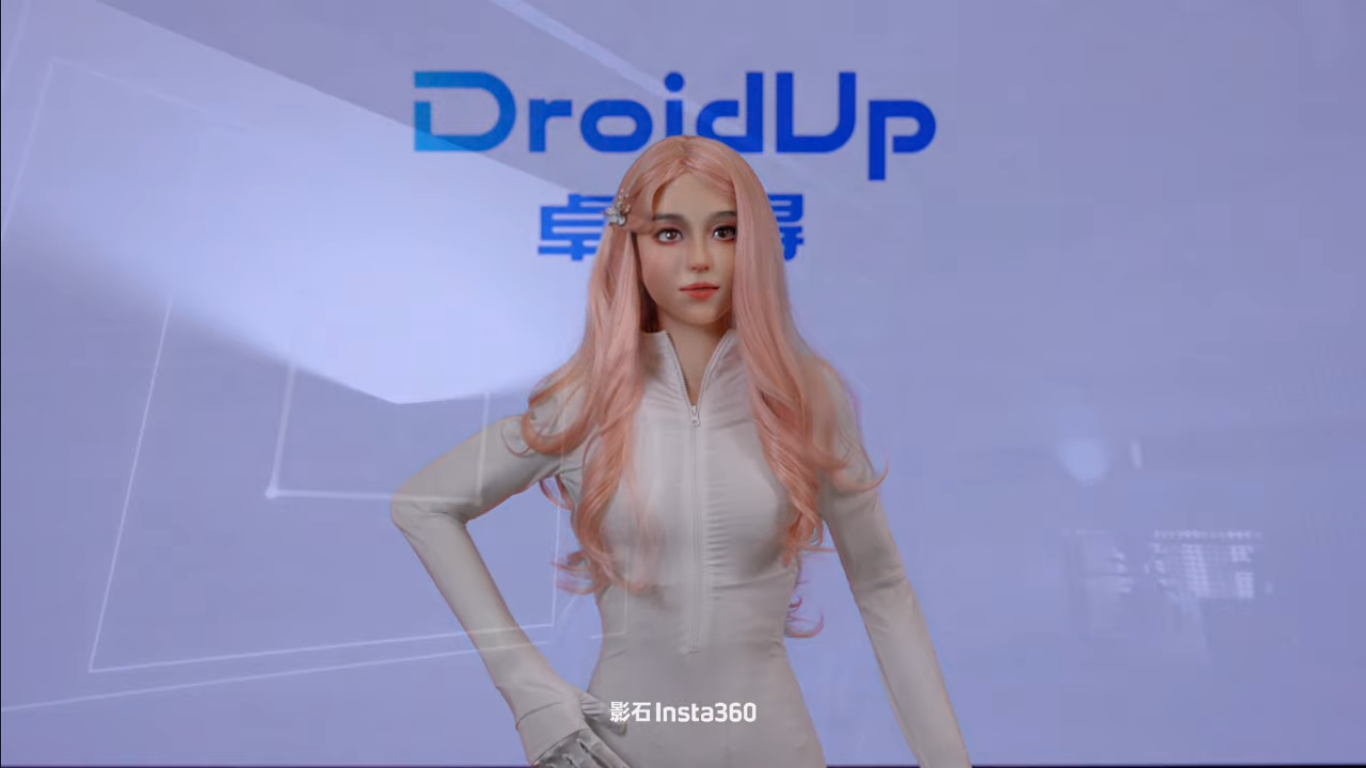
The public's reactions reflect a known phenomenon, some people are fascinated, others uncomfortable. It's the so-called valley of strangeness, when something is almost human, but not quite yet, DroidUp apparently isn't trying to escape that valley, it's trying to go through it.
Congratulations!
Your post has been manually upvoted by the SteemPro team! 🚀
This is an automated message.
If you wish to stop receiving these replies, simply reply to this comment with turn-off
Visit here.
https://www.steempro.com
SteemPro Official Discord Server
https://discord.gg/Bsf98vMg6U
💪 Let's strengthen the Steem ecosystem together!
🟩 Vote for witness faisalamin
https://steemitwallet.com/~witnesses
https://www.steempro.com/witnesses#faisalamin