The robot for human relationships.

in Popular STEM15 hours ago

The robot for human relationships.


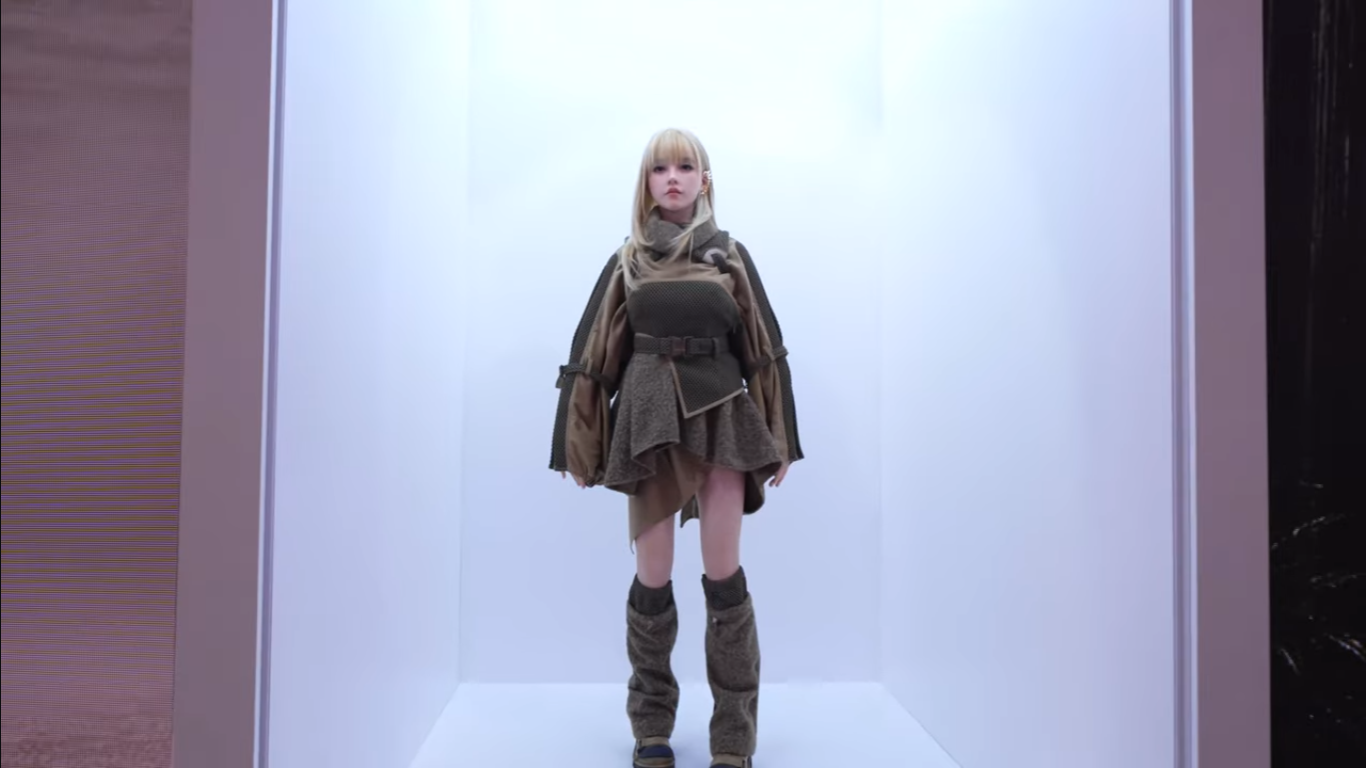
The Chinese giant Ubtech unveiled its newest humanoid model, the U1. This model was developed to serve as a companion capable of interacting naturally with people, understanding emotions, and offering support in a world increasingly defined by social isolation. An aging population and the rising number of people living alone have created a challenge that extends far beyond technology.


With this in mind, rather than focusing solely on physical automation, robotics companies have begun investing in "affective computing"—a field that combines artificial intelligence, natural language processing, emotion recognition, and social interaction. To make this interaction convincing, Ubtech developed an extremely sophisticated mechanical architecture. The robot possesses 88 degrees of freedom distributed throughout its body, enabling it to replicate movements of the head, arms, hands, and torso, as well as body language, with great naturalness.


A standout feature is its biomimetic, dual-pivot cervical spine, which allows for smooth, natural movement during conversations—avoiding the stiff appearance typical of traditional robots. Additionally, the facial system synchronizes lip movements with speech within milliseconds, making dialogue much more fluid and reducing the sense of artificiality during interactions.


However, the U1’s true differentiator lies in its software; rather than responding solely to the literal content of words, its artificial intelligence was trained to interpret emotional cues during conversation. Its architecture combines rapid responses to maintain a natural dialogue with deeper background analysis; according to the company, the system can identify over 20 distinct emotional states using data such as conversational context, tone of voice, and interaction history.


All of this is managed by the "Agent Memory OS," a persistent memory platform that enables the robots to recall past conversations, recognize user preferences, and build an increasingly personalized relationship over time. Naturally, technology of this kind raises significant privacy concerns; after all, a robot designed to provide companionship will inevitably have access to highly personal information.


Sorry for my Ingles, it's not my main language. The images were taken from the sources used or were created with artificial intelligence


Posted using SteemX