The Mystery of the Eternal Smile: The Mona Lisa — A Journey into the Genius of Da Vinci

Who among us hasn't heard of the Mona Lisa? That captivating masterpiece hanging on the walls of the Louvre Museum in Paris, whose charm has defied the test of time to remain the most famous and influential painting in art history. It is not merely a painting; it is a puzzling mystery, an embodiment of enigmatic beauty, and a living testament to the genius of the great Italian Renaissance master, Leonardo da Vinci.
In this post, we will explore the secrets behind this timeless masterpiece and attempt to decode the mystery of the famous "Mona Lisa Smile" that has baffled generations of critics, artists, and historians alike.
1. More Than Just a Portrait
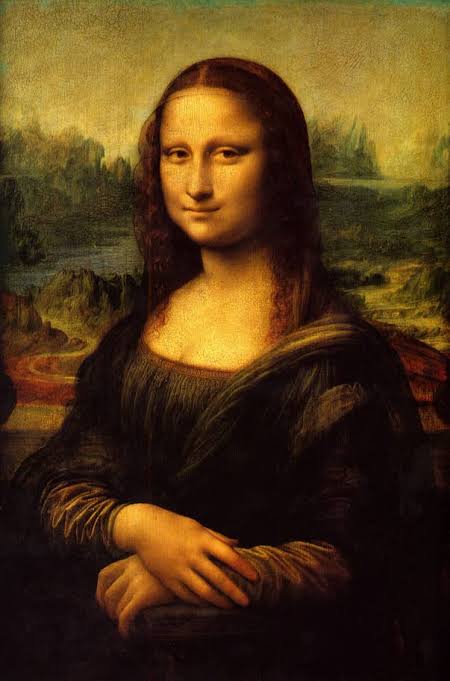
The Mona Lisa (also known as La Gioconda) is considered an matchless artistic masterpiece. Da Vinci demonstrated his supreme artistic skill through his signature technique known as Sfumato—a method of blending colors and tones so subtly that transitions between shade and light become imperceptible, creating a realistic, three-dimensional effect without sharp outlines.
When you look closely at her face, you will notice no hard lines. Instead, soft tonal gradients flow seamlessly, causing her expression to seem as though it alters depending on the angle from which you view it and the intensity of the light. This is the very secret that makes her features appear alive, as if she is on the verge of taking a breath.
2. The Enigma of the Smile: What Lies Beneath?
The smile is undoubtedly the most intriguing and mysterious element of the painting. Is it a smile of melancholy? A subtle smirk? Or a hidden expression of quiet joy?
For centuries, this smile has captivated and confounded observers:
Medical Hypotheses: Some researchers have speculated that the posture or subtle asymmetry of the smile might stem from facial nerve conditions or underlying medical issues.
Artistic Perspectives: Art historians often view it as Da Vinci’s mastery in capturing complex human emotion—a balance between subtle joy and quiet sadness.
Psychological Interpretations: Others believe the smile mirrors the inner emotional depth of the subject, Lisa Gherardini, the wife of a Florentine silk merchant.
The truth remains elusive. Perhaps the genius of the smile lies precisely in its ambiguity: true art leaves room for interpretation, allowing the painting to speak differently to every person who gazes upon it.
3. The Background: A Harmony Between Humanity and Nature
The allure of the Mona Lisa extends beyond her visage to the background landscape behind her. Da Vinci seamlessly integrates the human subject with nature. The backdrop features rugged paths, winding rivers, and distant mountains rendered in atmospheric perspective (sfumato in the distance), giving an impression of infinite depth.
This dialogue between humanity and nature reflects Da Vinci’s deep fascination with science and anatomy. He viewed the human form as a microcosm of the natural world, believing art should capture this deep connection.
Conclusion
The Mona Lisa stands as a timeless symbol of beauty, mystery, and artistic brilliance. Leonardo da Vinci succeeded in creating a masterpiece that transcends time, continuing to inspire and awe all who view it. It remains a glowing testament to the spirit of the Renaissance and a reminder of art's power to grant immortality to a simple moment on canvas.
What about you? What do you feel or see when you look at the Mona Lisa’s smile? Share your thoughts in the comments below!