Pick and Write [Agricultural Word] 👉#21||Plant Nutrition
Just like humans can't do without blood running the body system, so it is with plants. Plants can not survive without the supply of nutrition. The require nutritional supply for the following reasons:
- Growth
- Leaf formation
- Fruiting and seed formation
- Bearing flowers
- Become healthy plants
By nature, plants manufacture their own food in a very distinctive way. There is the existence of a natural means known as photosynthesis, through which they manufacture their own food for their growth enhancement. For this to happen, plants must have the needed nutrients. The question now is, how does plants get their nutrition?
How Plants Make their Nutrition
Plants make their nutrition through the food they make by themselves. So they make their nutritions through the following:
The Water
The roots of plants spreads in the soil and are able to trap water into plants. Water here now becomes important as it helps to break down the nutrients from the soil for plants to use.The sunlight
With the sunlight, plants are able to get energy which is useful for them to manufacturer their food. I remember in my secondary school days when we were taught that plants have a green pigment known as chlorophyll. It absorbs the Sunlight for photosynthesis to take place.The soil
The soil is another source of plant nutrition. Essential nutrients which are important for plants to be in their good health, are deposited in the soil.The Air
Air is vital for plant health. With the air, plants are able to get carbon dioxide from the environment. This happens as plants combined carbon dioxide, the sunlight and water to manufacture food.
Plant nutrition could be defined as the nutrients which plants needs for their development and all-round growth. These nutrients are classified in two main categories thus:
- The Macronutrients
- The Micronutrients
The macro nutrients are the minerals that plants need in large quantities.
These are nutrients plants need in large amounts. Examples of such nutrients are potassium, nitrogen and phosphorus, calcium, sulfur and magnesium.
Micronutrients
These are nutrients that plants need in smaller quantities. Even though they are needed in smaller quantities, they are still needful for plants to have a healthy growth system. These nutrients includes chlorine, Molybdenum, manganese, Zinc, copper, boron, and iron.
Both the macro and micronutrients are essential for plants to utilize. When plants lack either of the macro or micronutrients, it shows on the health of the plants. For instance, when plants lack some of the macronutrients such as nitrogen, phosphorus and potassium, it will show some signs of deficiency like poor growth, yellow leaves, weak roots, weak stems, poor flowering and fruiting etc.
When plants are supplied with the macronutrients, they will have a strong root development, good flowering and fruiting, more energy, resist diseases, aids them during photosynthesis, generate protein and many more.
Also, when plants lack some of the micronutrients such as manganese, zinc, copper, chlorine and boron, the plants would also show some signs of deficiency. These deficiencies includes poor chlorophyll formation, lack of energy, poor growth hormones, poor seeding, poor reproductive system, poor utilization of nitrogen, inability to photosynthesize, imbalanced water absorption and more.
If the micronutrients are in good supply to plants, they will have a good chlorophyll formation, enough energy, healthy reproductive system, good seeding and fruiting, healthy growth hormones, good use of nitrogen, balanced water absorption.
Ways plants gets their nutrition
Plants get their nutrition through the following means:
- It absorbs nutrients through the roots
- It absorbs nutrients in the course of photosynthesis
- By means of symbiotic relationships
- Spraying the nutrients on plants leaves
Having seen some of the deficiencies that lack of nutritional supply may cause to plants, it becomes important that we ensure that both the macro and micronutrients are supplied to plants. This will enhance their all-round growth and development.
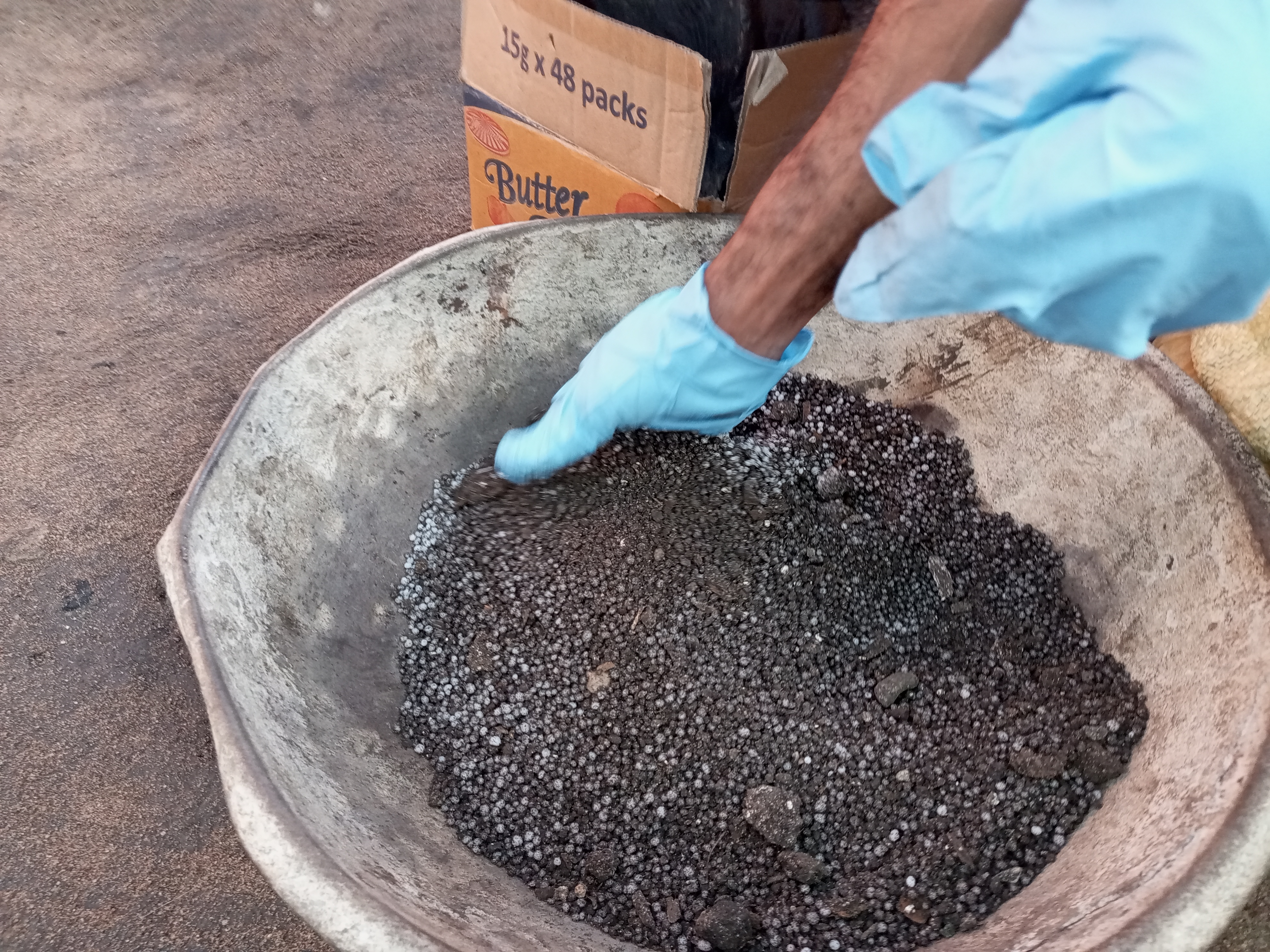
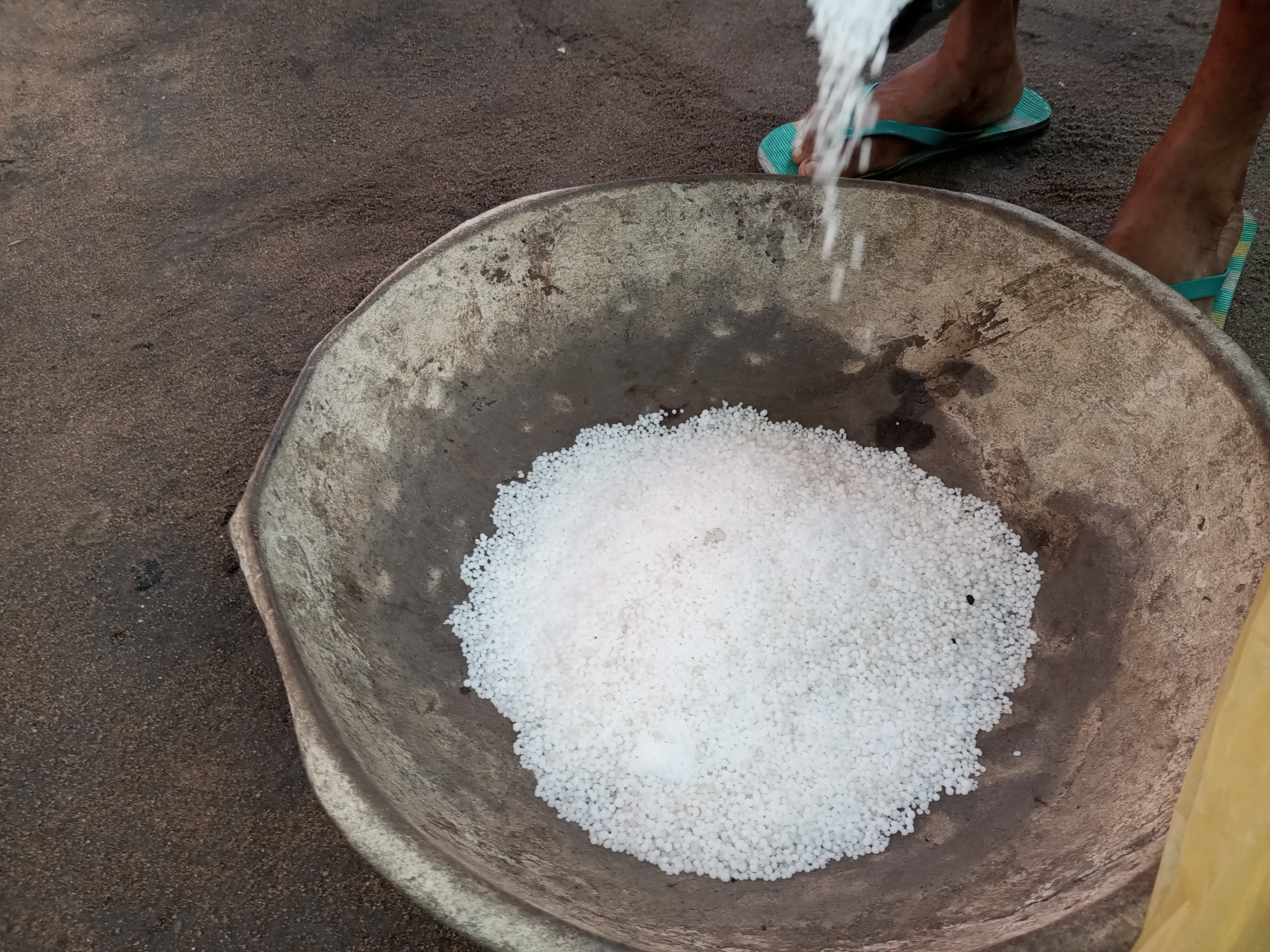
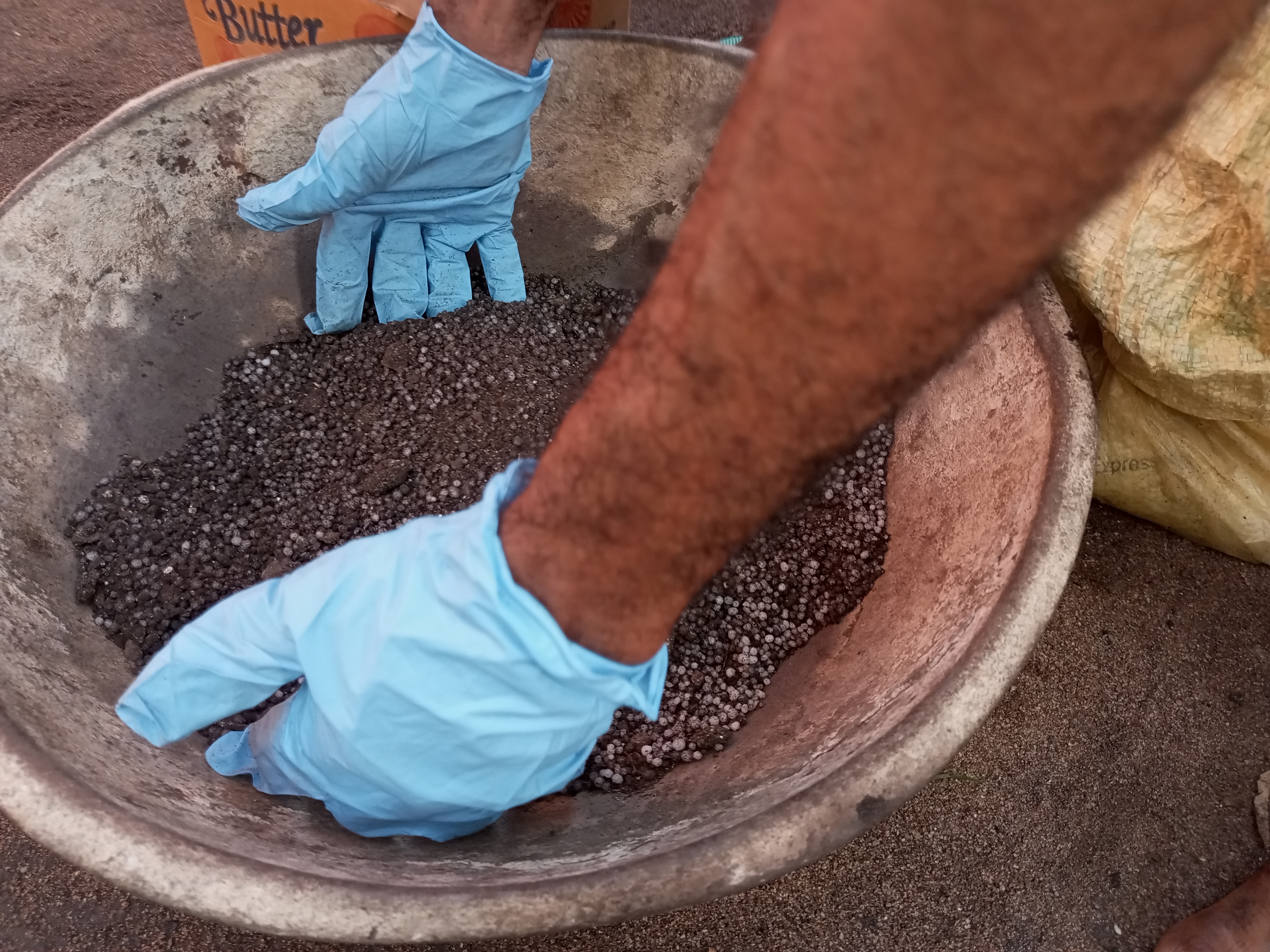
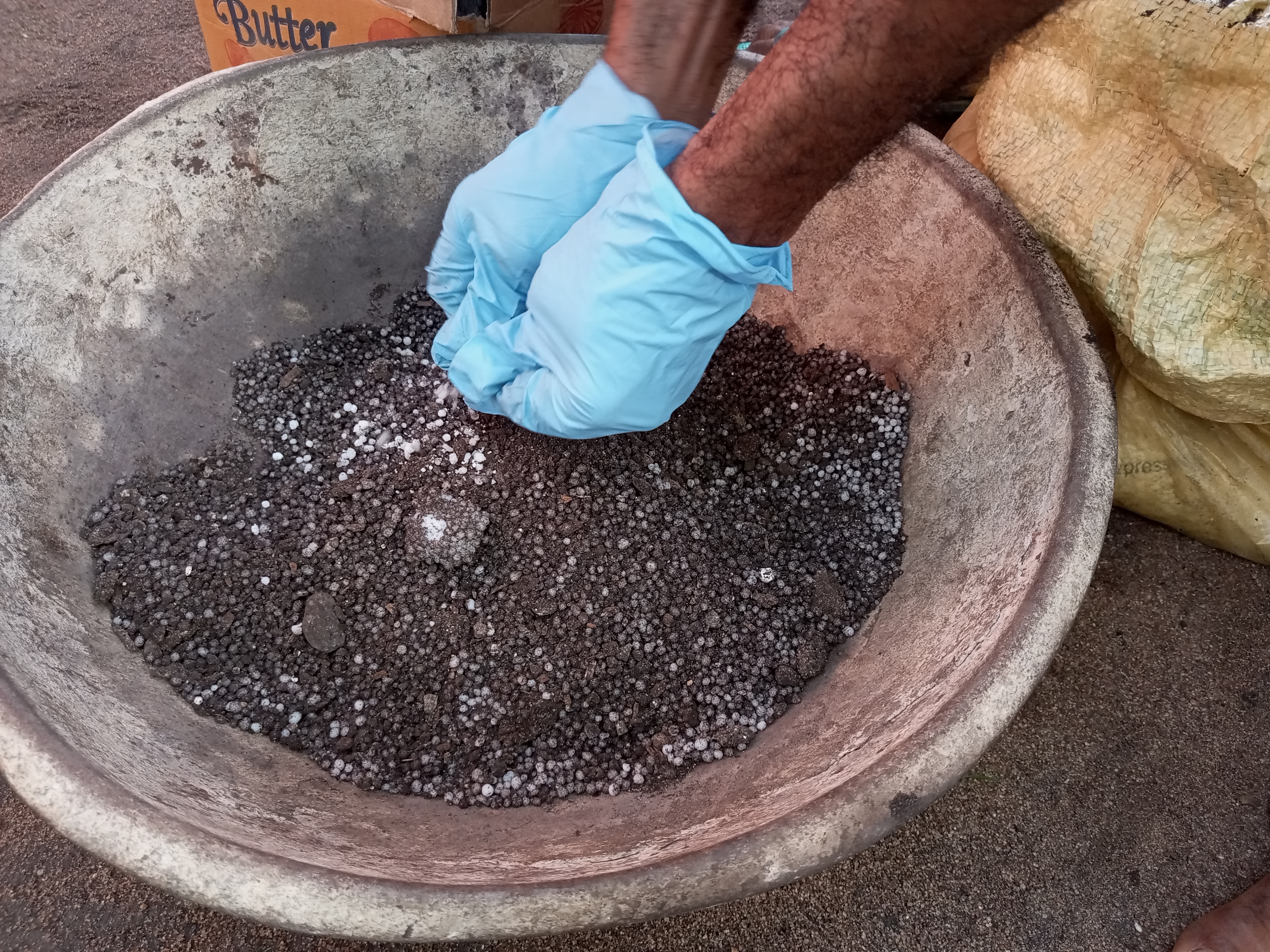
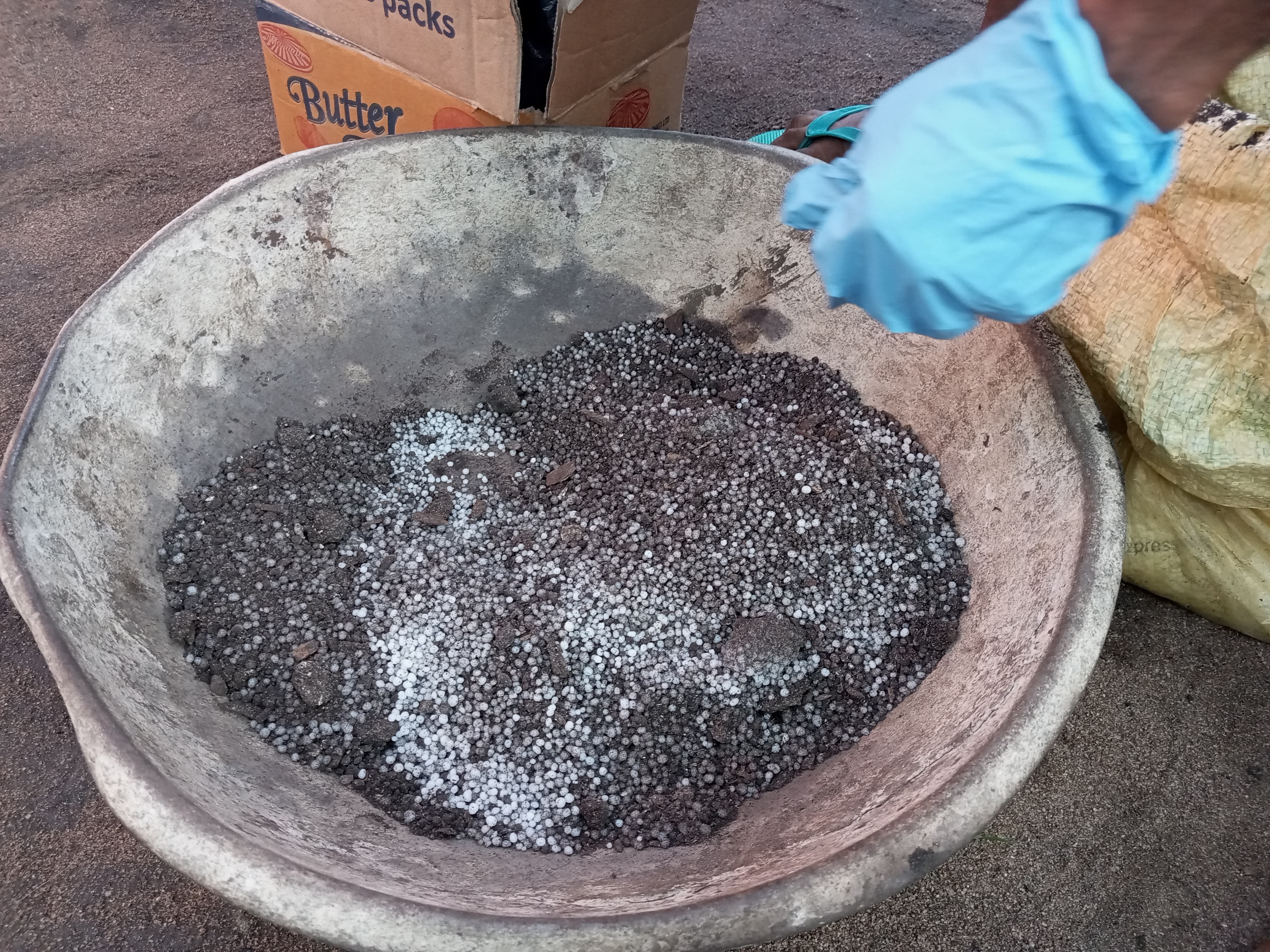
The pictures in the post are my organic and inorganic fertilizers.