The White Onions: An Overview & Its Benefits
Hello friends, welcome to another moment of knowledge sharing. I will discuss an important kitchen ingredient and veggies that have been significantly valuable to us. The onion is mainly seen to come in three colours: red, yellow, and white onions. I will be talking about the white onion bulb as captured in the image.
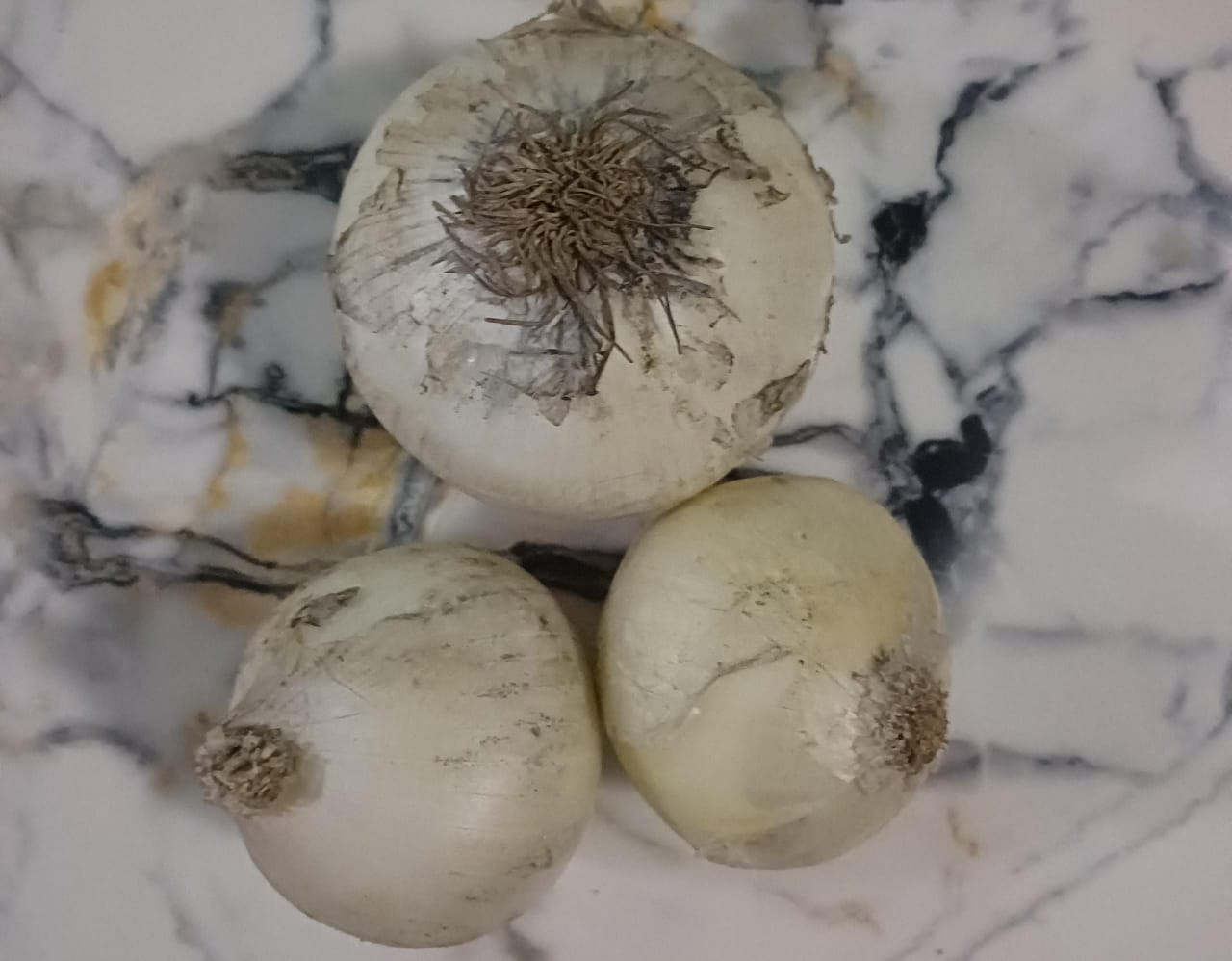
The white onion has the characteristic of a bright and opaque white skin which is delicate when cut. Unlike the others with high sulfur compounds that cause eye irritation and tearing, the white onions contain a limited amount of this compound. Be assured of having less watery eyes each time they are sliced. This species is sharper and more pungent when consumed raw but tends to be sweeter when cooked.
The growing conditions of the white onion shows that it does well in a loamy soil. A preferred pH value between 6.0 and 6.8. Cold weather conditions and well-drained soil are ideal to optimise yield. For us in the West African sub-Saharan region, planting takes place between October and February.
The nutritional and medicinal benefits of the white onion are the attraction for so many consumers. This species of the onion bulb is low in calories but very rich in some vitamins, such as vitamins C, B6, Folate, and Potassium. It has the presence of quercetin, an antioxidant. You see that compound (sulfur) that is released into the air while slicing it which causes tears, it contains Antimicrobial and anti-inflammatory properties when the bulb is consumed.
Due to their milder contents, it is easier to take raw amd bowel friendly. No wonder it is used in salads. Other traditional uses of the white onion support digestion, treatment of colds, and circulation. For some of us who like chewing veggies, this is not only sweet and juicy, but also aids in blood pressure regulation. They have become versatile in our culinary space where they are used for translucent color base and the ability to turn sweet faster.
In a cool dry and well-ventilated space, white bulb onions can be stored for about 1-2 months unlike. Its counterparts last up to 6-8 months. Wet or humidity makes this species either rot or sprout but when cut, try to refrigerate using a tight container.
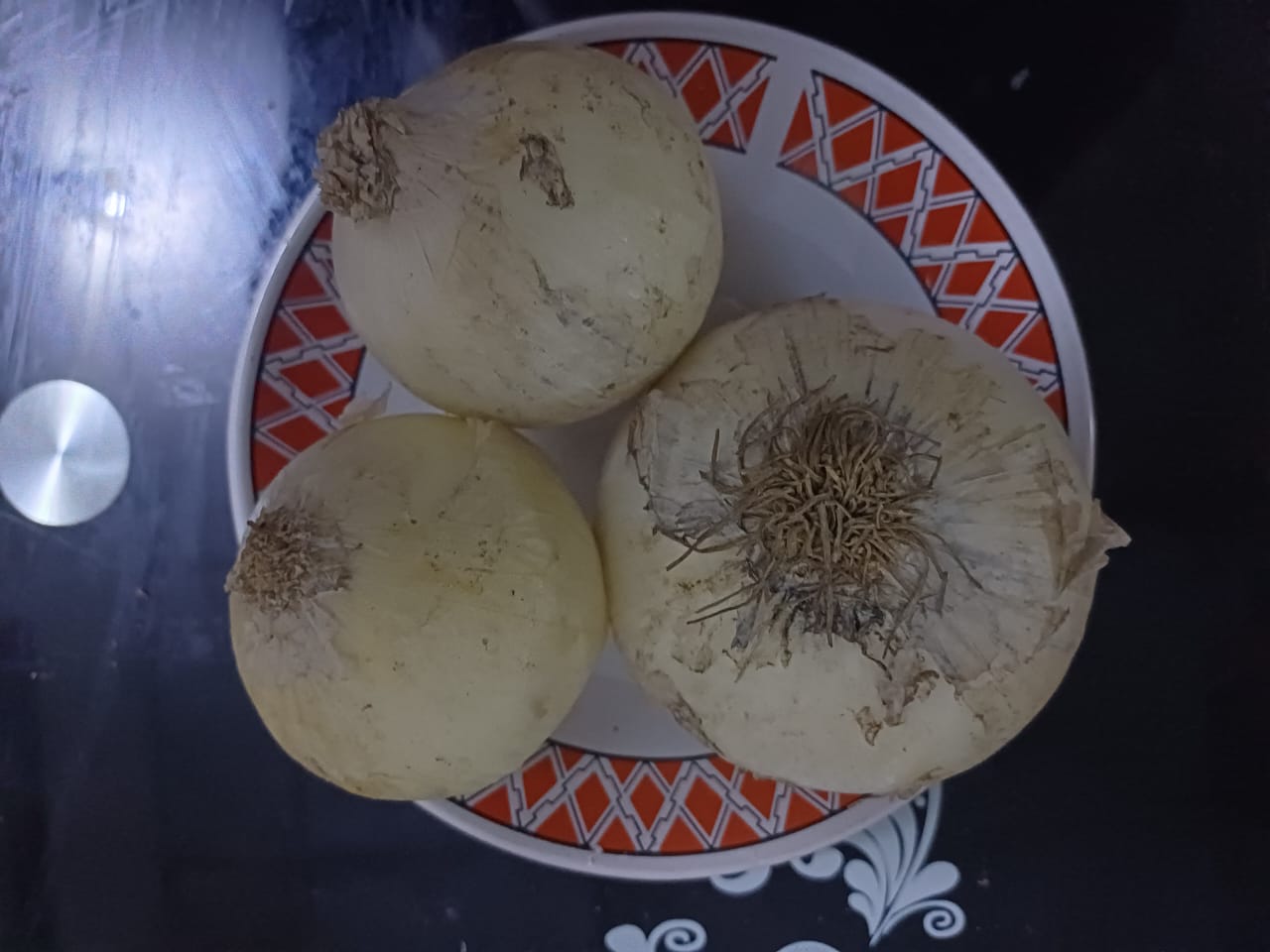 | White Onion Specie |
|---|
An onion in our meal daily is one way to improve bowel movement, blood circulation, and vitamin intake, as well as increase our antimicrobial and anti-inflammatory properties.
Thank you for reading...
Greetings to you sir, I've learned so much from your article about white onions. I use to think that all onions are the same but now I'm aware of it's difference and the benefits of white onions to our health through your post. Thank you for sharing your knowledge.