Deep space Guide for Beginners
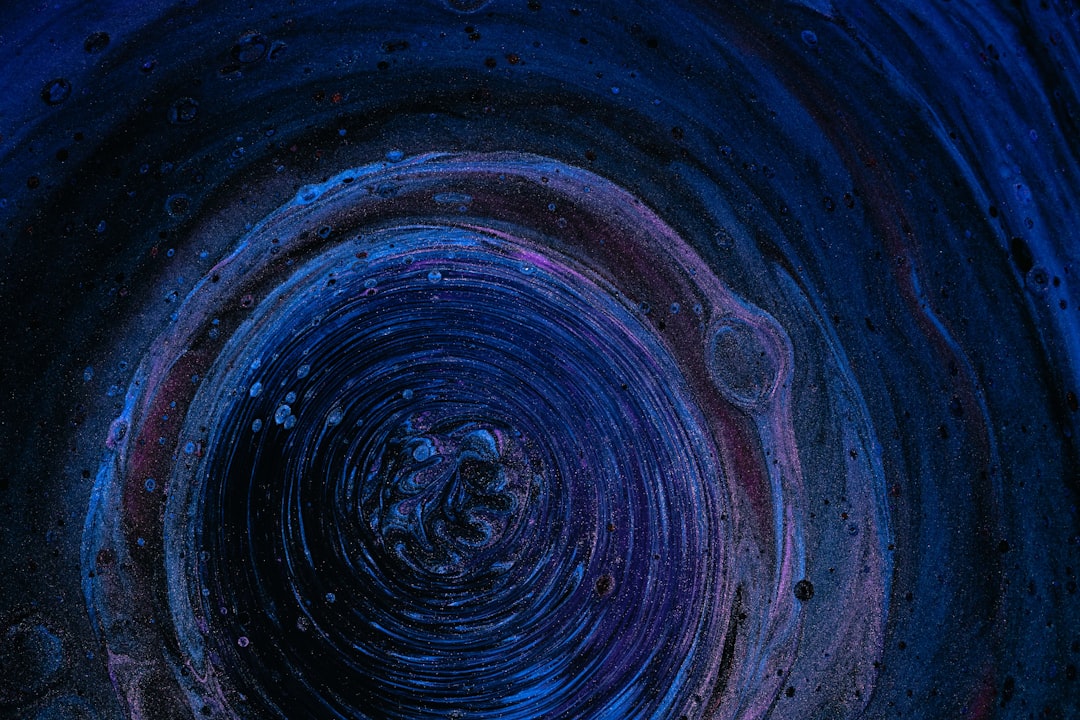
The Silent Majesty: Venturing Into Deep Space
Beyond the familiar glow of our sun and the orbital dance of the eight planets lies the true frontier: deep space. While the inner solar system is our cosmic backyard, deep space begins where the influence of our home star fades, stretching across an unimaginable void toward distant nebulae, pulsing quasars, and spiraling galaxies. It is a realm defined by extremes—absolute cold, crushing vacuums, and distances so vast that light itself takes millions of years to traverse them. To study deep space is to peer back in time; when we observe a galaxy billions of light-years away, we are seeing it not as it is now, but as it existed during the dawn of the universe.
The challenges of exploring this abyss are monumental. Communication delays become immense, and the radiation of the interstellar medium poses a constant threat to both machinery and biological life. Yet, humanity continues to reach outward. From the Voyager probes, which have officially entered interstellar space, to the James Webb Space Telescope, which captures the infrared ghosts of the first stars, our curiosity outweighs our fear. Each discovery—be it a rogue planet drifting in the dark or the ripple of a gravitational wave—rewrites our understanding of physics and our place in the cosmic hierarchy.
Ultimately, deep space serves as a mirror to our own existence. In the face of such overwhelming scale, our planetary conflicts seem trivial, and our shared humanity becomes more apparent. As we continue to map the Great Unknown, we aren't just searching for new worlds or exotic matter; we are searching for the origin story of everything. The silence of the deep may be daunting, but it is within that silence that the most profound secrets of the cosmos are waiting to be heard.
Photo by Pawel Czerwinski on Unsplash