Robotic innovations Guide for Beginners
Robotic Innovations: Engineering the Future of Everyday Life
In the past decade, robotics has moved from the glossy pages of science fiction to the hands of everyday consumers, industrial workers, and even surgeons. Autonomous drones are now mapping crop health with centimeter‑level accuracy, while collaborative robots—often called “cobots”—share workspace with human colleagues in assembly lines, adapting in real time to changes in product shape or workflow. One of the most significant breakthroughs is the rise of soft robotics, where flexible, silicone‑like materials emulate biological tissues, enabling delicate grasping that was once the sole province of human fingers. This adaptability is already transforming medicine; soft‑rimmed gloves equipped with haptic feedback are allowing surgeons performing remote procedures to feel the resistance of a tumor or the texture of neural tissue, greatly reducing errors and improving outcomes.
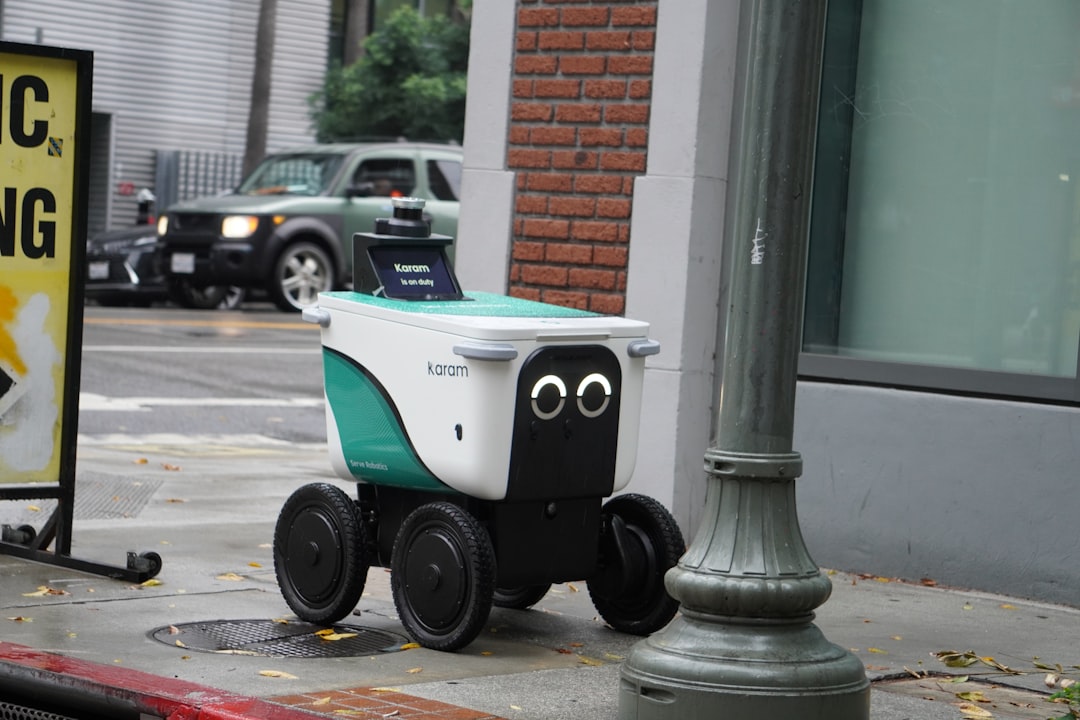
Perhaps the most socially resonant development is the proliferation of domestic service robots. From vacuum‑cleaning and lawn‑mowing units that learn a homeowner’s schedule, to intelligent kitchen assistants that can follow recipe steps and adjust seasoning, these machines are reshaping household chores. Meanwhile, rescue robots equipped with infrared sensors and AI‑driven navigation are now dispatched to disaster zones—entering collapsed buildings or toxic environments—finding survivors where humans cannot safely reach. On the industrial front, machine‑learning algorithms trained on vast amounts of sensor data are empowering robots to perform predictive maintenance, halting production lines before a catastrophic failure occurs. Finally, as quantum computing matures, researchers are exploring quantum‑enhanced robotic simulators that could allow real‑world robots to self‑optimize in unprecedented ways.
Conclusion
Robotic innovations are not merely incremental upgrades—they are rewriting the playbook of what machines can achieve alongside humans. From soft‑tissue manipulation in surgical theaters to autonomous drones monitoring ecosystems, each breakthrough brings us closer to a world where robotic systems are seamlessly integrated partners in problem‑solving. As we continue to push the boundaries of sensor fusion, AI, and material science, the next wave of robots will likely be more intuitive, resilient, and empathetic, offering solutions that enhance safety, efficiency, and quality of life across every corner of society.
Photo by Jorge Escobedo on Unsplash