The July contest #1 by sduttaskitchen: Mindset!
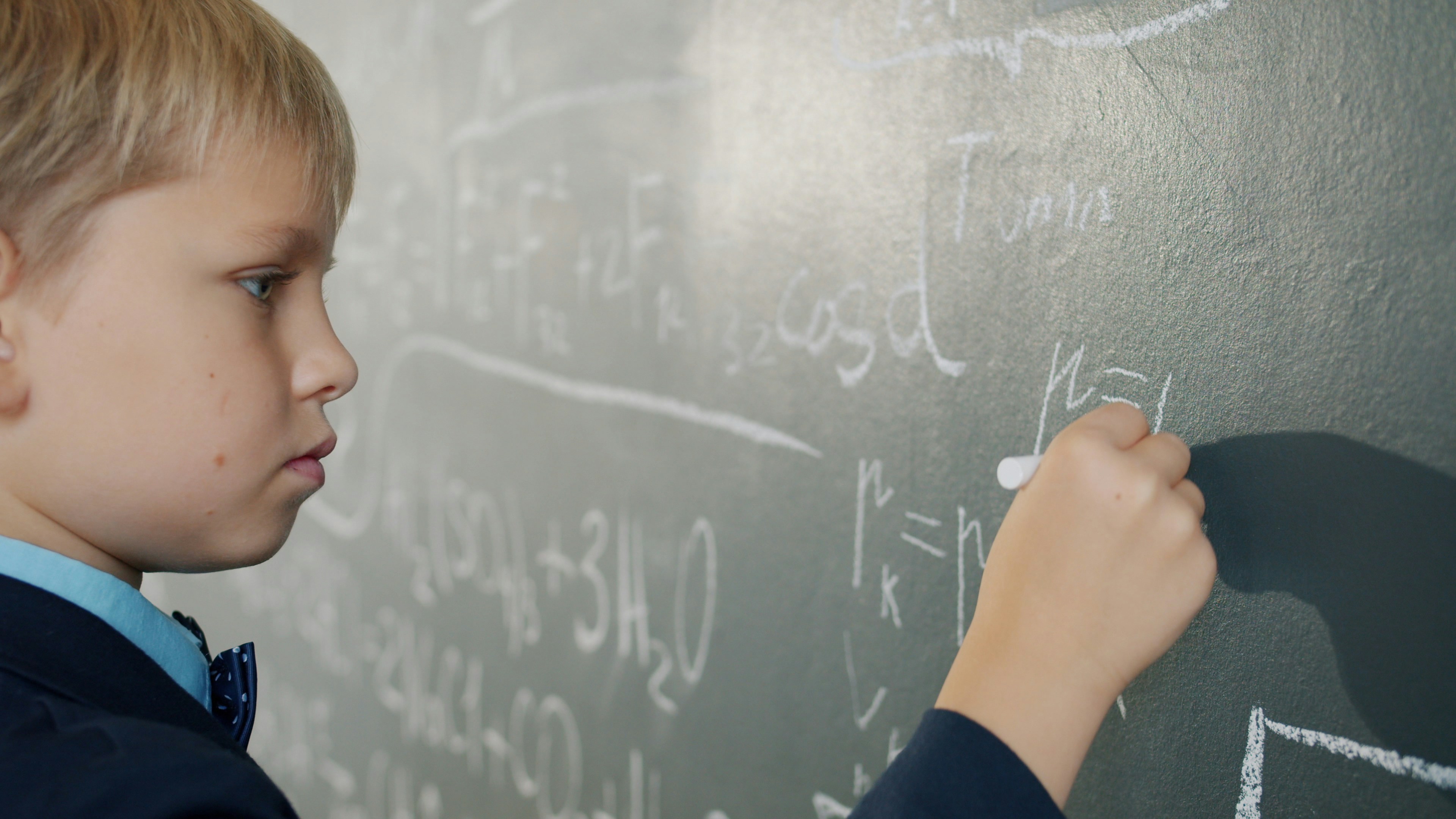
I remember a boy in class, his name is Daniel — who could not, for the life of him, remember his times tables. Every test, the same pattern: he'd freeze, guess, and hand in a paper full of red ink. By the third term, he'd stopped raising his hand for maths altogether. Not because he was incapable. Because he had decided, somewhere along the way, that he was.
That's the first thing I'd say about mindset. It rarely announces itself. Nobody wakes up and declares "I am giving up today." It creeps in quietly, through a string of small defeats, until a child — or an adult — starts believing the defeat is who they are rather than something that happened to them.
Do you believe mindset can be a strong weapon? Explain your viewpoint! |
|---|
I think yes, but only if we're honest about what kind of weapon it is. It doesn't change the exam questions. It doesn't make the times tables easier. What it changes is whether you sit down and try again after getting them wrong. With Daniel, what shifted things wasn't a pep talk — it was breaking the times tables into something small enough that he could win at them. Two times table only, for a week. Then a game with it.
The first time he got a perfect score on a two-times-table quiz, something in his posture changed. He wasn't smarter than he'd been in September. He'd just stopped treating "I can't" as a fact and started treating it as a temporary status report. That, to me, is the weapon — not optimism as a mood, but optimism as a decision to keep showing up.
 | Just him, the book, and the will to keep going |
|---|
Do you think that, if we can't change any situation, then our changing mindset towards it can be a solution? Justify! |
|---|
I'd answer this with a case I see every term: children from homes where money is tight, where books are shared, where there's no quiet corner to read in. I can't fix that. No teacher can. What I can influence is how a child interprets that gap. Some children treat a lack of resources as proof they're behind and will stay behind. Others — and I've watched this happen — treat it as simply the starting line they were given, nothing more, nothing less. Same shortage. Completely different trajectory.
So yes, I think mindset is often the only lever left when the situation itself won't budge. Not because it erases the hardship, but because it decides whether the hardship becomes the end of the story or just one chapter in it.
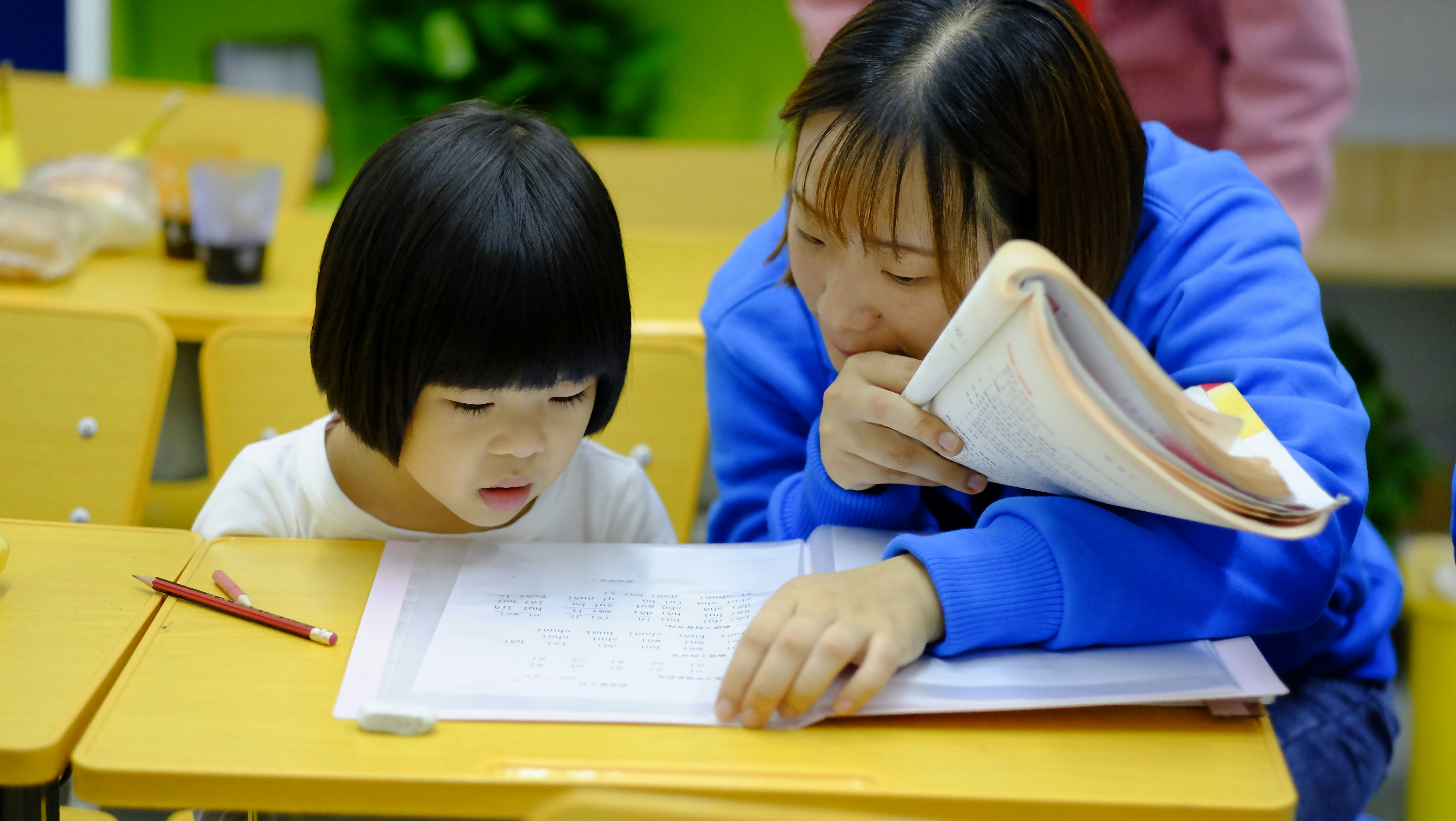 | Same problem. Less lonely |
|---|
Mindset can be positive and inimical! How? Justify! |
|---|
This is the part people leave out of these pep talks, and it's the part I care about most as a teacher. I have watched parents push "positive thinking" so hard that it curdled into something else entirely. A parent convinced their child must top the class, every term, no excuses — dressed up as "believing in you" — is not optimism. It's pressure wearing optimism's clothes.
I've had pupils cry before a test not because they thought they'd fail, but because they were terrified of what it would mean at home if they did. Positive mindset, taken too far, stops being about resilience and starts being about denial — refusing to acknowledge a real limit, a real need for rest, a real struggle that deserves help rather than another motivational speech.
A child who's told to "just think positive" instead of getting actual support with a learning difficulty isn't being encouraged. They're being abandoned with better vocabulary.
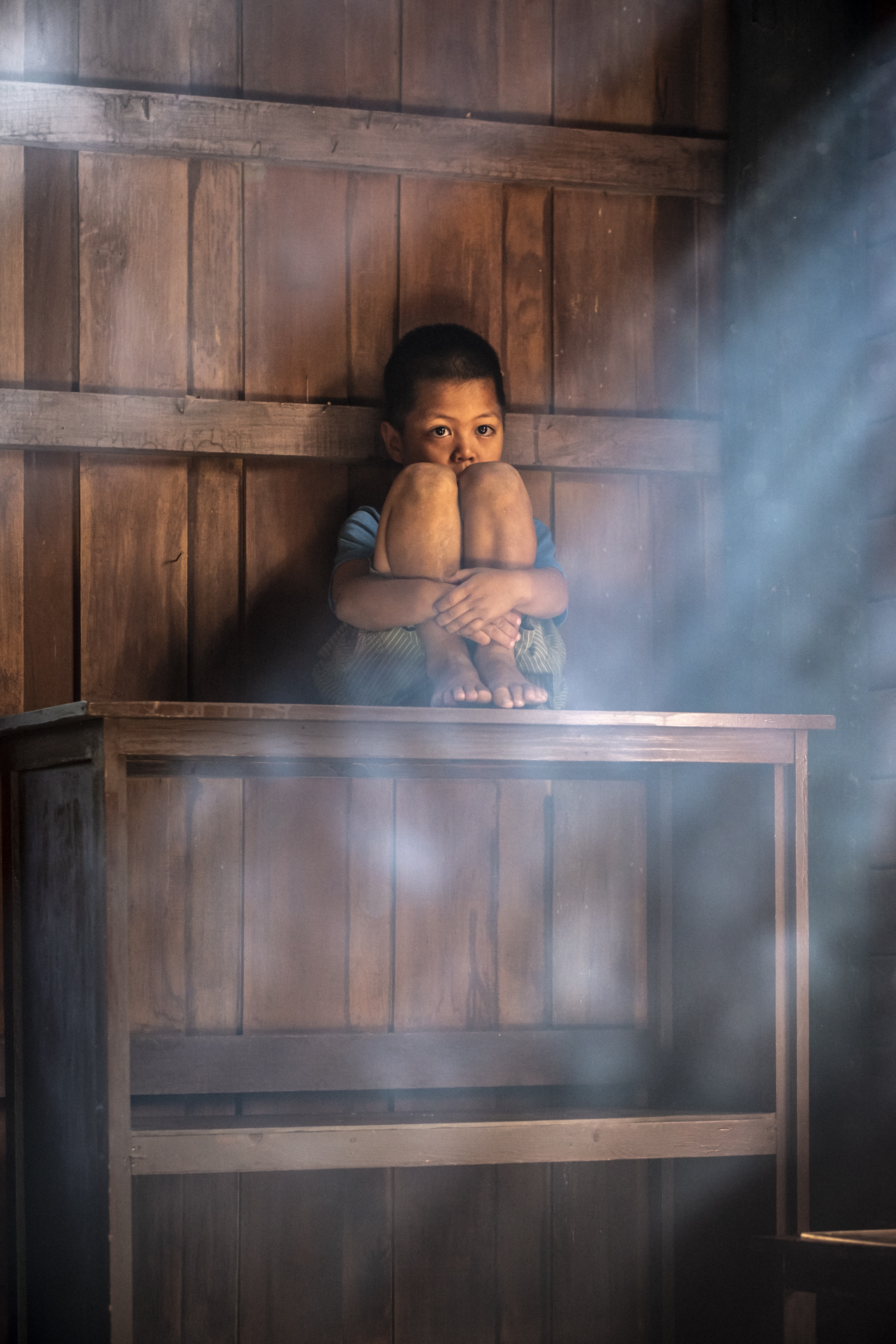 | Sometimes "think positive" isn't what a child needs. Sometimes they just need someone to ask why. |
|---|
Conclusion |
|---|
Mindset isn't magic, and it isn't a weapon in the sense of something that wins the fight for you. It's more like a grip. Circumstances still throw the punches. But a steady mindset decides whether you stay standing afterward — and a mindset pushed too hard by well-meaning pressure can just as easily be the thing that knocks a child down.
I think of Daniel most terms when a new struggling pupil walks in. The lesson wasn't "believe in yourself." It was smaller and truer than that: shrink the problem until belief becomes possible again.
I invite @Kinggen, @ab-rich23 and bossj23 to participate
Cc: @sduttaskitchen
Upvoted! Thank you for supporting witness @jswit.