Mary Peck Butterworth
Hello, dear people of Incredible India.
Today we continue with forgeries and leave the world of art to enter the world of numismatics.
Mary Peck Butterworth
False cash with old petticoats
Mary Peck was born in 1699 in Rehoboth, a village in New England where she would spend her entire life. She was twenty-four years old when she met John Butterworth, a retired British naval captain. He had inherited a small farm, which they worked together to support their growing family. After ten years of work and seven children, the Butterworths were desperate, as the fields weren't producing enough and the bank was threatening to foreclose on the property.
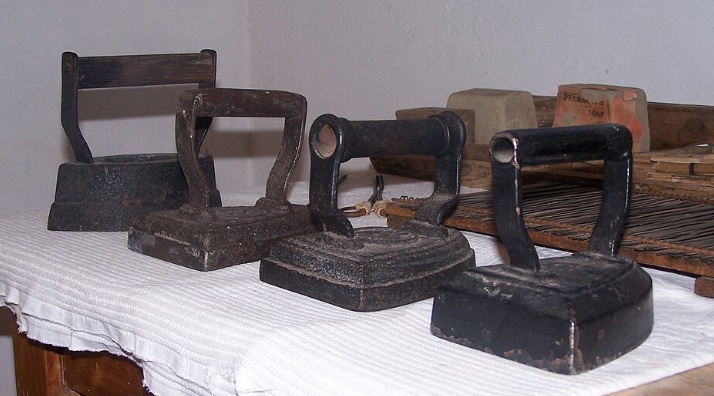
One day, while Mary Butterworth was ironing her children's clothes, she accidentally left the iron on a sheet of newspaper. When she went back to iron, she noticed that part of the text was transferring onto the ironing board of one of the children's shirts.
Curiosity led her to try to imitate the design of the banknotes on a piece of white paper. It was all trial and error, as the prints weren't very clear and there was a risk of burning the paper.
This didn't discourage her. She soon came up with a good technique: she would stamp the banknote template onto the stiff muslin of one of her old petticoats, which she had previously starched, and then transfer it to paper with a moderately hot iron. She would wait for it to cool and then complete the final details with ink and a goose quill.
Authentic banknotes of the time were made using very primitive methods. When they were printed, treasurers and bank directors signed them by hand and numbered them individually. Paper money didn't yet include promissory notes and bills of exchange, which were more secure. Until then, no one had thought of counterfeiting banknotes.
The Butterworths had no trouble mixing real and counterfeit bills. At first, they would use one or two when paying, but then they gradually replaced them entirely.
Having found a way to outsmart the bank, the whole family turned to counterfeiting. Mary Butterworth had made deals with resellers and passers to distribute her money and maximize her profits. These activities jeopardized the local economy.
The business began to decline when John Butterworth bought a luxurious house for the family and put it in his children's names. This attracted the attention of the authorities, who were already searching for those responsible for the counterfeit bills. They arrested one of the Butterworth sons and his wife. Both became nervous and confessed to the crime.
On August 14, 1723, Mary Butterworth was tried in court in Newport. The prosecutor was unable to present any conclusive evidence because the Butterworths always burned the evidence after they finished producing banknotes. The judges were accustomed to seeing evidence of metal coins, so they expected to see lead plates or something similar as evidence. Mary Peck Butterworth was acquitted and continued counterfeiting banknotes until her death.