What Is Bitcoin Halving And Why Does It Matter More Than Most People Realise
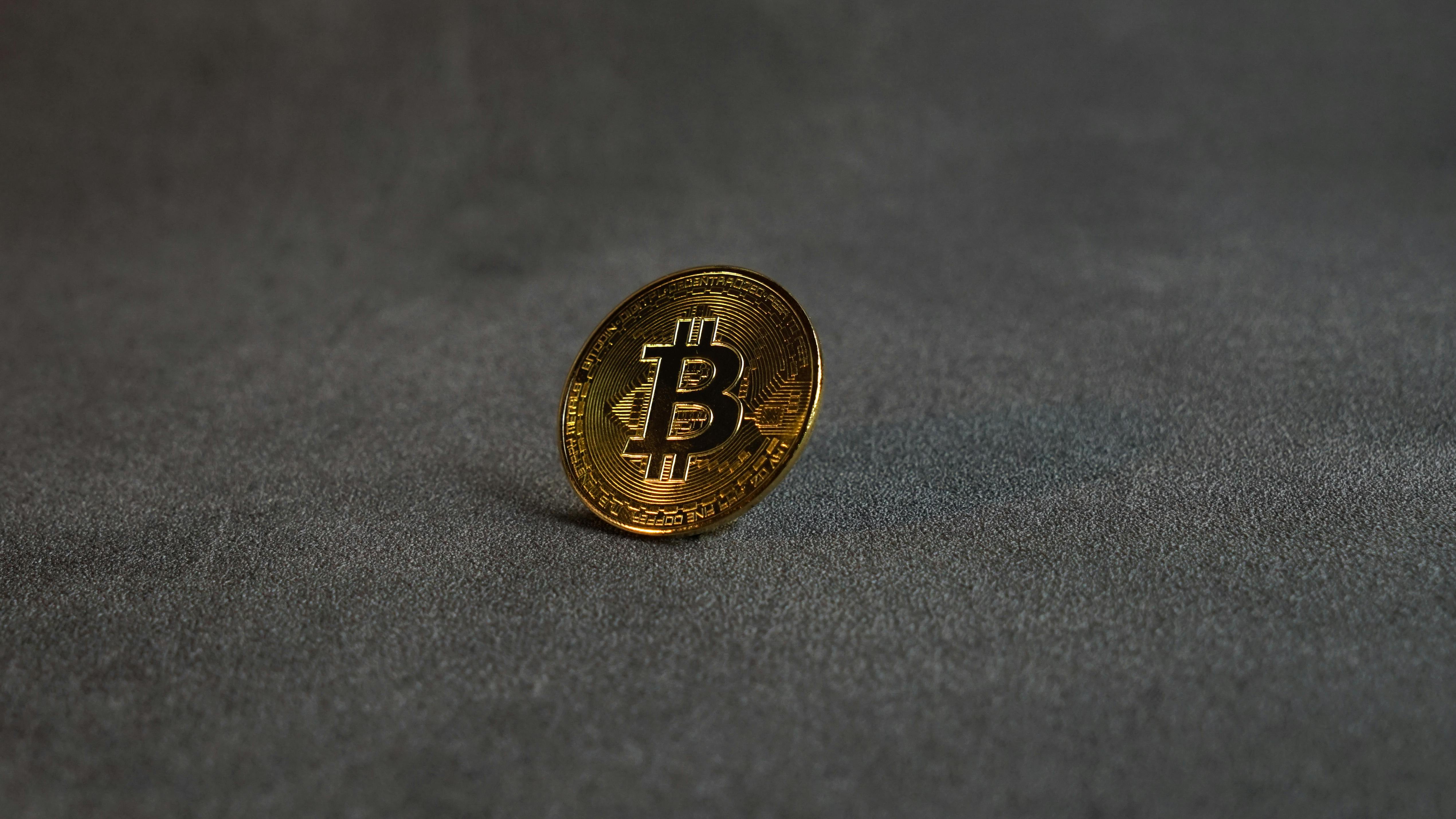
Photo by Afif Ramdhasuma from Pexels
Every few years, something happens inside the Bitcoin network that barely makes mainstream news but quietly reshapes the entire cryptocurrency market. It has happened four times since Bitcoin was created. Each time, it has been followed, not immediately, but eventually, by some of the most significant price movements in Bitcoin's history. It is called the halving. And if you hold any Bitcoin, or are thinking about it, understanding what it actually is matters more than most people realise.
The most recent halving happened in April 2024. We are now in the post-halving period, and whether you are a long-term holder, a curious observer, or someone still trying to figure out what any of this means, this is a good time to understand the mechanics behind it.
What the halving actually is, in plain English
When new Bitcoin transactions are verified and added to the blockchain, the computers doing that work, called miners, are rewarded with newly created Bitcoin. This is how new Bitcoin enters circulation. It is built into the code that roughly every four years, that reward gets cut in half. This event is the halving.
When Bitcoin launched in 2009, miners received 50 Bitcoin per block. After the first halving in 2012, that dropped to 25. Then 12.5. Then 6.25. After the 2024 halving, it dropped to 3.125 Bitcoin per block. The total supply of Bitcoin is capped at 21 million, no more will ever exist, and the halving is the mechanism that controls how slowly the remaining supply trickles out.
Why it affects price, and why it is not guaranteed
Basic economics: when the rate at which new supply enters a market drops significantly, and demand stays the same or increases, the price tends to go up. That is the simple version of why halvings historically precede bull markets. The more nuanced version is that markets are forward-looking, meaning traders and investors begin pricing in the halving months in advance, which is part of why the price movement often starts well before the event itself and continues well after.
But, and this matters, past halvings do not guarantee future performance. The market in 2024 is fundamentally different from 2016 or 2020. There is more institutional money involved, more regulatory attention, more sophisticated trading, and a far larger global user base. These factors all change the dynamics in ways that are genuinely difficult to predict. Anyone who tells you with certainty what happens next is guessing.
The halving is not a signal to buy or sell. It is a reminder of what makes Bitcoin structurally different from every government-issued currency, its supply is fixed, transparent, and controlled by code rather than by policy decisions made behind closed doors. That is the idea worth understanding.
What I take away from all of this
Whether you believe Bitcoin is the future of money or a speculative asset with an uncertain shelf life, the halving is one of the most elegant mechanisms ever built into a financial system. It is entirely predictable, entirely transparent, and entirely immune to political interference. No central bank can override it. No government can delay it. It happens when the code says it happens.
That level of predictability is genuinely rare in finance. And in a world where monetary policy changes with every election cycle, I think that is worth paying attention to, regardless of where you stand on crypto more broadly.
Did you follow the 2024 halving? And what is your honest take on where Bitcoin goes from here? Tell me in the comments, no judgement either way.