Bread, Faith, and Tradition in Kashmir
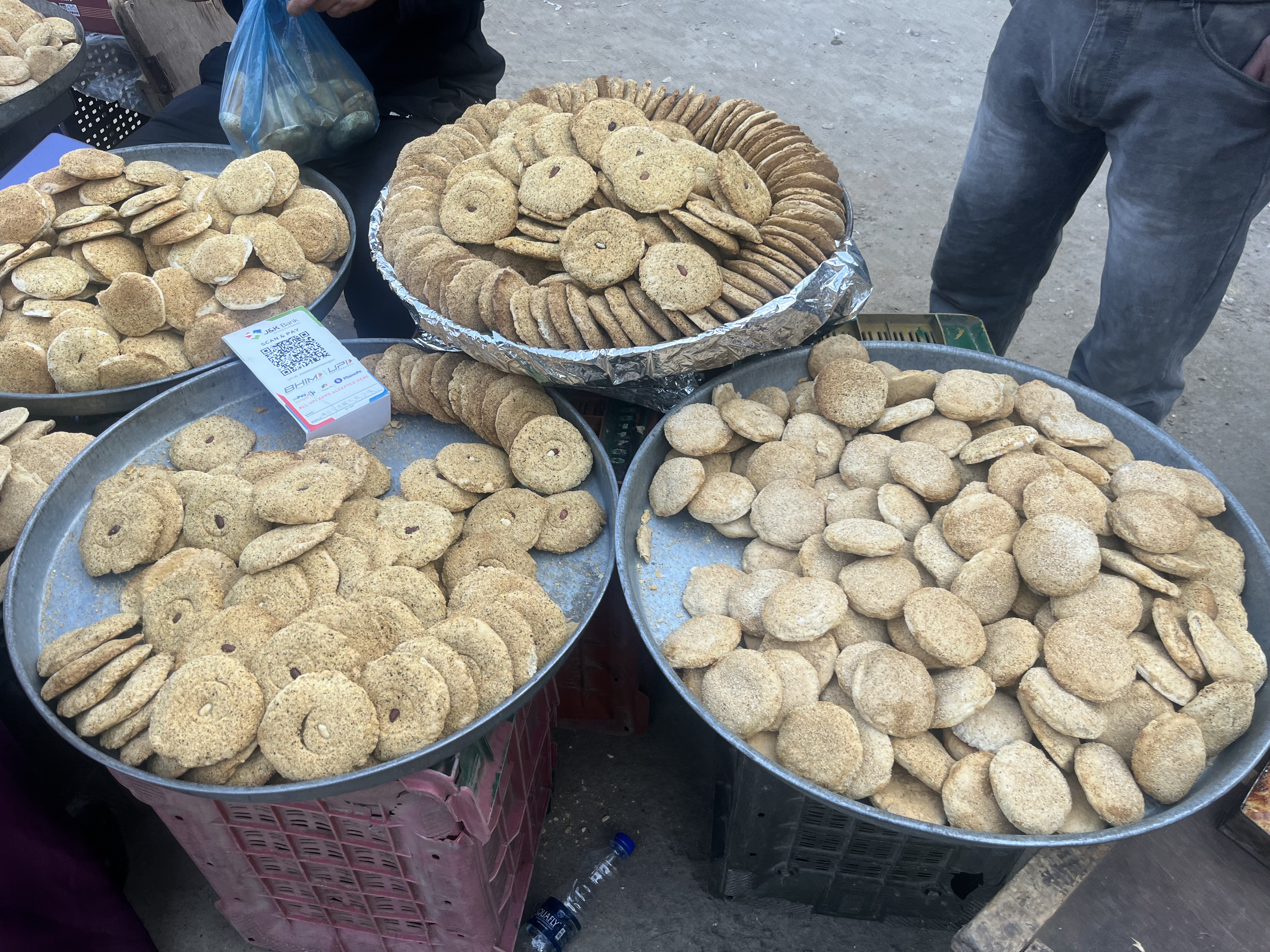
In our day-to-day life, people in rural areas usually make bread at home, unlike those in urban areas who prefer to buy it from the market or from local bread makers who are quite frequently located across both urban and rural habitations. This activity actually provides a livelihood to a large number of people here in the valley, as people have a strong habit of having tea along with some bread a couple of times throughout the day. This habit raises the demand for these breads and makes them one of the staple foods for the majority of the population.
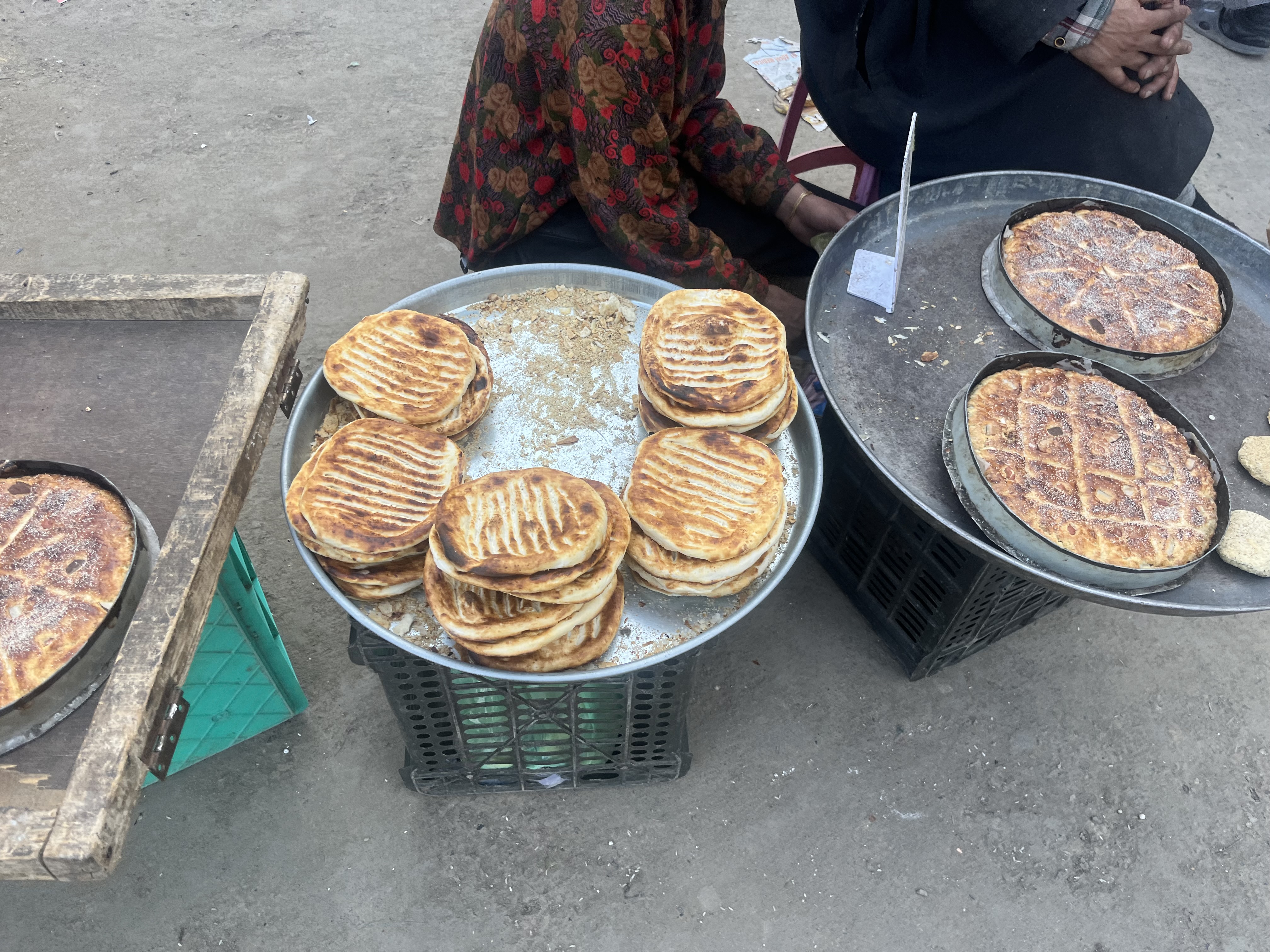
In rural areas, where people produce their own food items like wheat and maize, they usually make bread at home and only buy bread from the market occasionally, unlike the people living in urban areas who buy it more frequently. However, during Ramadan, people usually prefer buying these breads from the market regardless of where they live. This is because the lifestyle changes during Ramadan, and eating habits also change. These breads become easy to have, easy to digest, and therefore remain in high demand during the Ramadan season.
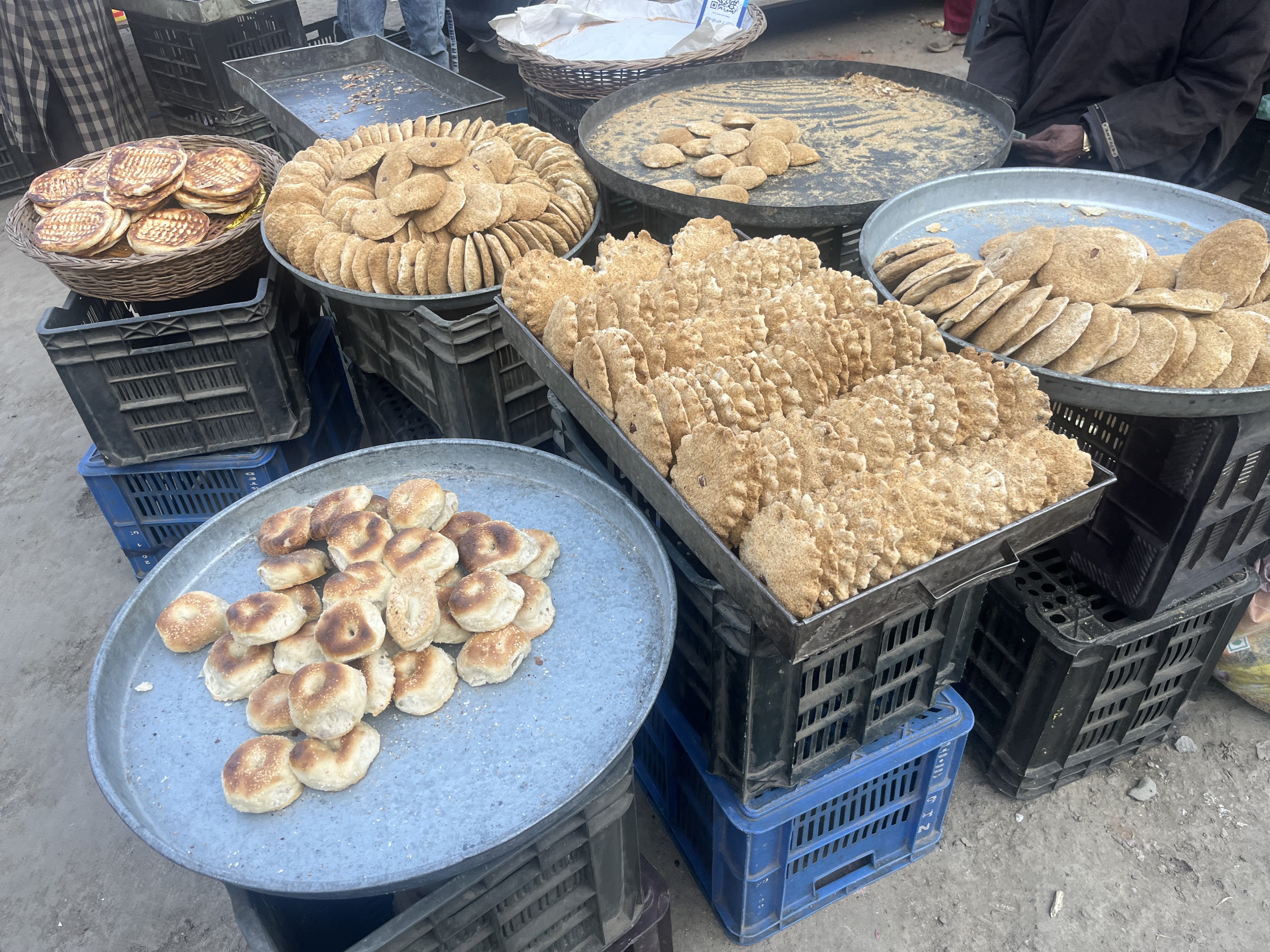
A couple of weeks ago, I had gone to a nearby town where we sometimes go to offer prayers at the shrine of Shaikh Noor-ud-Din Noorani. I noticed some bread makers had installed their stalls right outside the shrine and had put different types of breads on display. People from different parts of the valley who visit the shrine were buying these breads. It attracted my attention because the person who had displayed them seemed interesting to talk to.
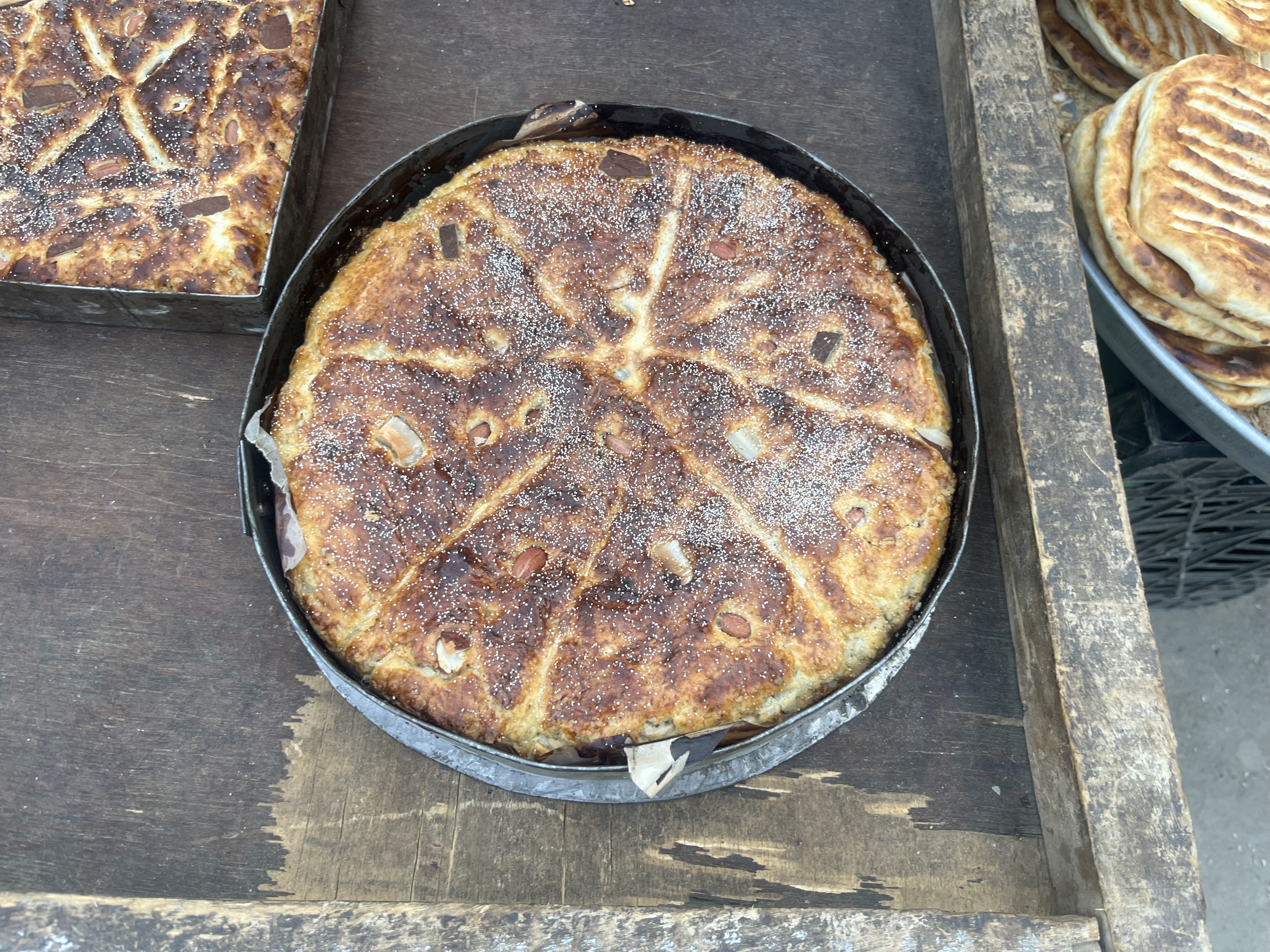
I stayed there for some time and asked him about the materials he used to make these breads while we shared our thoughts. He told me that he would only go home once all the breads were sold out, and he does this every day because people coming from different parts of the valley to the shrine buy these breads. They do not only consider them ordinary breads but also treat them as something sacred and blessed that they take away from the shrine.
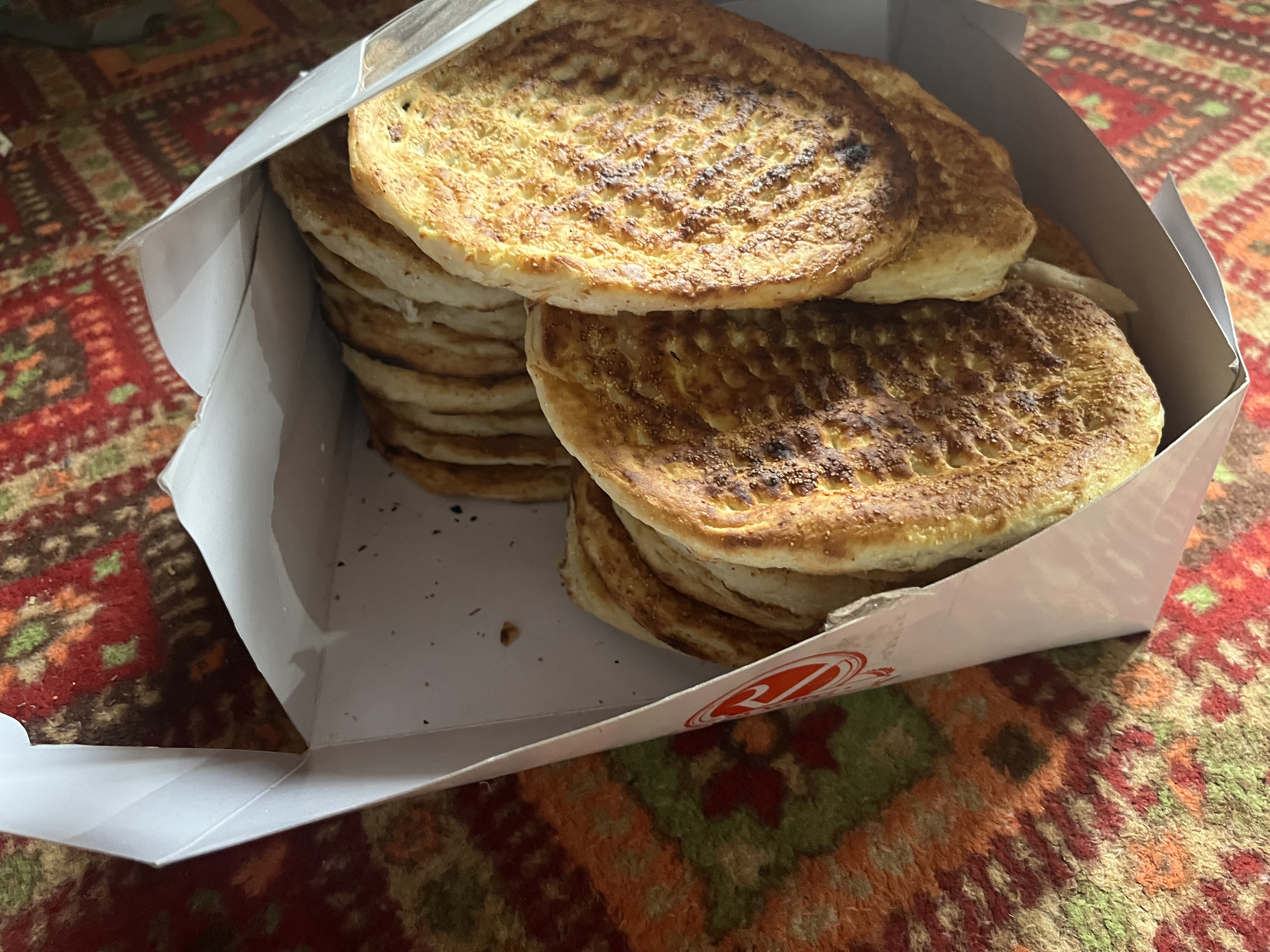
These breads are made by local bread makers in traditional wood ovens. The raw dough is stuck to the walls of the oven while the fire burns at the bottom, unlike the method used in bakery shops where the breads are placed on trays and then put inside a tandoor or oven.
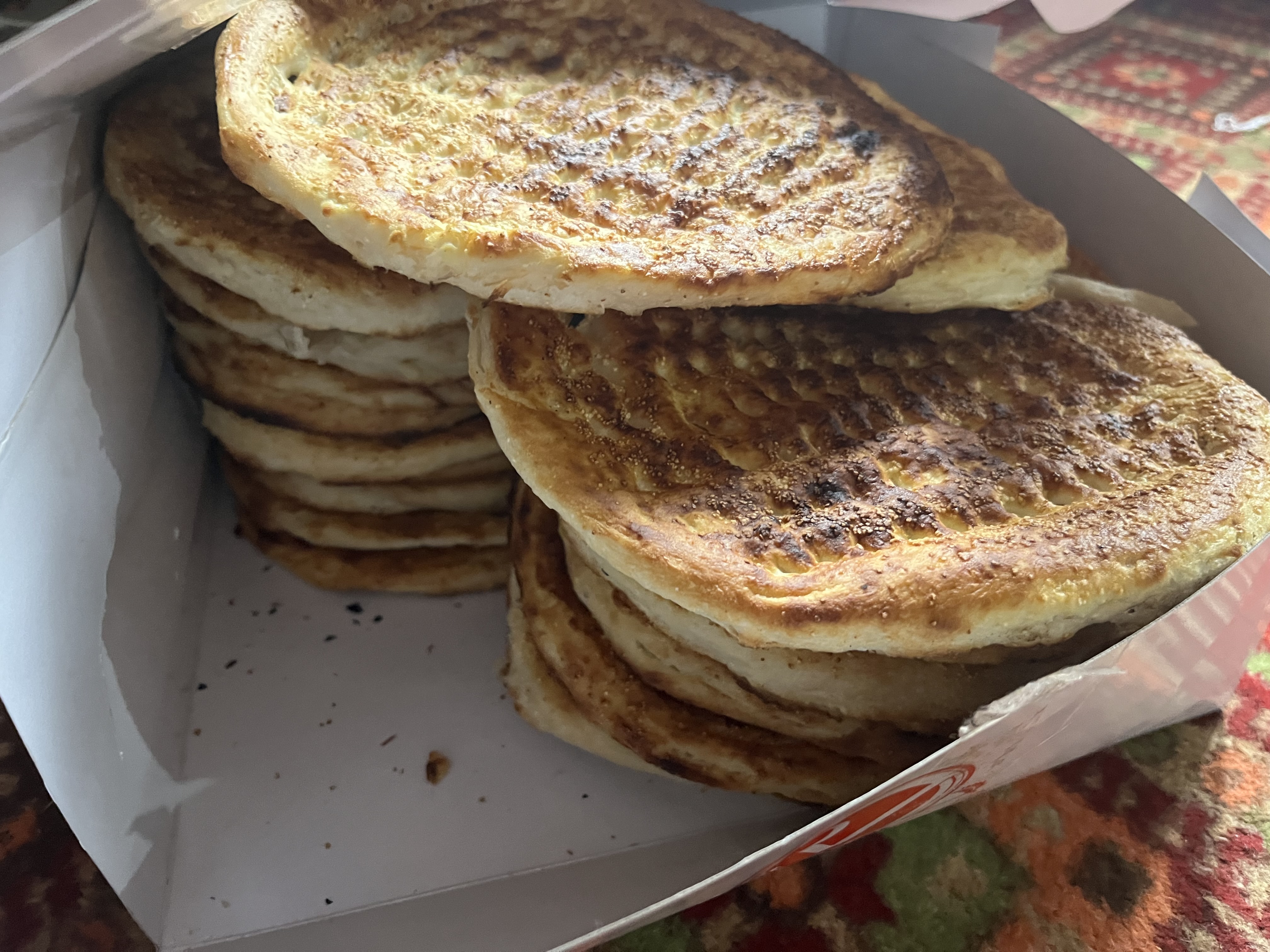
These types of breads are typical Kashmiri breads and are mostly found only here. They are among the best-selling items, quite pure, and usually do not contain any harmful substances. They are one of the traditional Kashmiri foods that anyone visiting the valley would definitely want to experience and taste. I always recommend these breads to everyone who comes here to enjoy and experience the beauty of this place, because without tasting them, a trip to Kashmir always feels incomplete.
One thing that is quite special about these breads is that they can be stored for a long time because they are very low in moisture. They seem quite dry and do not contain much moisture in them. Most of the breads I am talking about here are of two types: a few of them are meant to be consumed within a day and cannot be eaten afterwards because they become hard, while others like kulcha, baqerkhani, and sheermal can be stored for a long time, even for months, which makes them quite special. These breads can also be transported over long distances without even breaking.
Our culture is so unique, and so are our food habits. I truly love my culture and the way we live here in our valley with so many traditions and eating habits that help us stay connected to our roots and keep us close to our culture. Every morning, people go out to buy these special breads from the traditional bread makers of our valley.
Curated by: @pandora2010