Rising Tensions in the Middle East: What the Iran–Israel–USA Conflict Means for the World
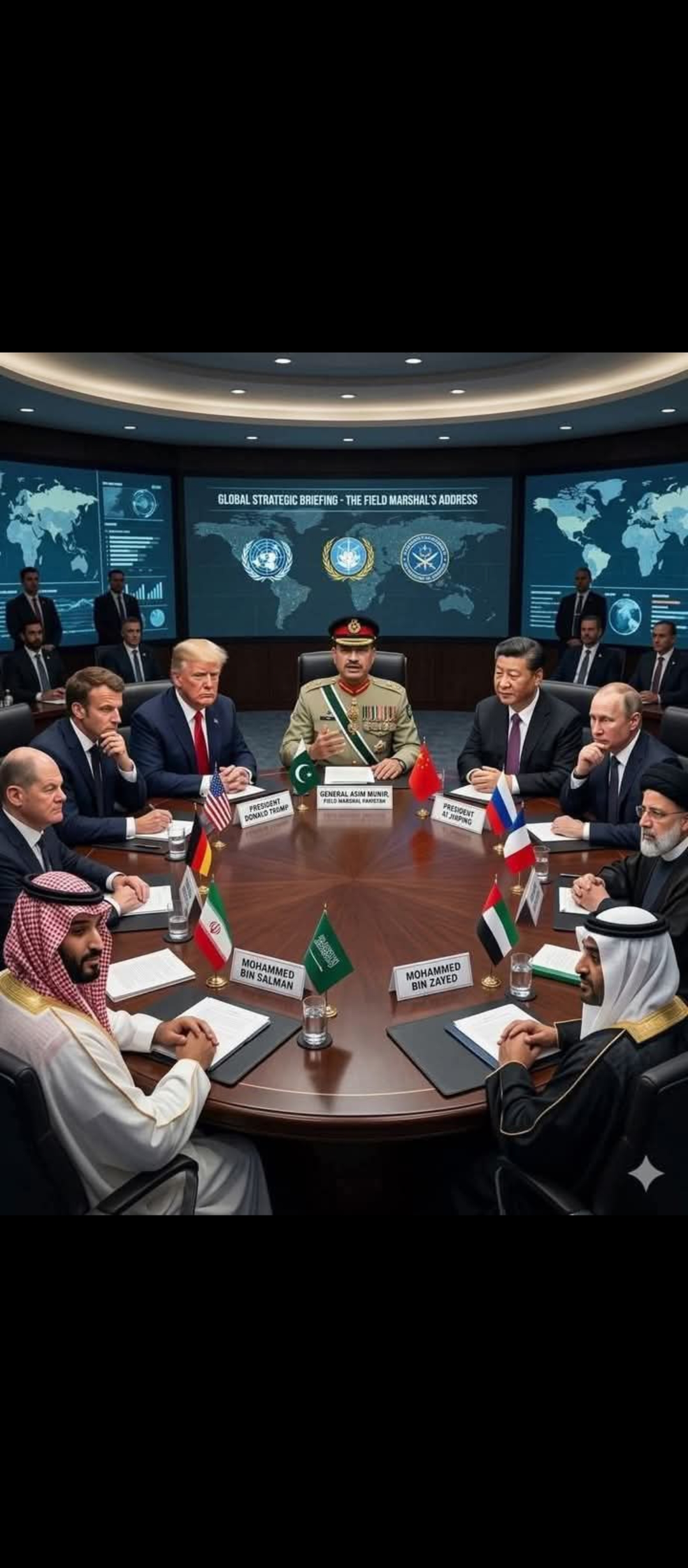
The Middle East is once again at the center of global attention as tensions between Iran and Israel continue to escalate, with the United States playing a major supporting role. In recent weeks, the situation has moved beyond political statements and entered a phase of direct military confrontation, raising concerns among analysts and international organizations about the possibility of a broader regional war.
Recent reports suggest that coordinated strikes were launched by Israel and the United States on Iranian military and nuclear-related facilities. These operations reportedly targeted strategic sites believed to be connected with Iran’s missile and nuclear programs. �
Just Security +1
In response, Iran carried out retaliatory missile and drone attacks aimed at Israeli territory and U.S. military bases in the Gulf region. The exchange of strikes has significantly increased instability across the Middle East and forced several countries to raise their security alert levels. �
Wikipedia +1
Political analysts believe this conflict is not just about one event or one attack. Instead, it reflects decades of rivalry between Iran and Israel, which began after the Iranian Revolution in 1979 and has continued through proxy conflicts in places like Lebanon, Syria, and Gaza. Over time, both countries have developed competing regional strategies, making the Middle East a complex geopolitical battlefield. �
Wikipedia
Experts also warn that the war could affect the global economy. One of the biggest concerns is the strategic importance of the Strait of Hormuz, a narrow waterway through which a large portion of the world’s oil supply passes. Any disruption there could cause oil prices to rise sharply and impact economies worldwide, particularly developing countries that rely heavily on imported energy. �
ACAPS
Some analysts argue that the conflict is currently in a dangerous phase where both sides are testing each other’s limits without committing to a full-scale war. However, even limited military exchanges can have serious humanitarian consequences, including displacement of civilians, destruction of infrastructure, and long-term regional instability.
Human rights organizations have already expressed concern about civilian safety, urging all sides to avoid targeting populated areas and to respect international humanitarian law. They emphasize that ordinary people often suffer the most during geopolitical struggles between powerful states.
For now, diplomatic efforts by international organizations and global powers continue behind the scenes. Whether those efforts will succeed in preventing a wider war remains uncertain. What is clear, however, is that the Iran–Israel confrontation is no longer just a regional issue—it has become a global concern affecting security, economics, and human lives across the world.
Congratulations!
Your post has been manually upvoted by the SteemPro team! 🚀
This is an automated message.
If you wish to stop receiving these replies, simply reply to this comment with turn-off
Visit here.
https://www.steempro.com
SteemPro Official Discord Server
https://discord.gg/Bsf98vMg6U
💪 Let's strengthen the Steem ecosystem together!
🟩 Vote for witness faisalamin
https://steemitwallet.com/~witnesses
https://www.steempro.com/witnesses#faisalamin
Your post is completely AI generated. Please avoid these types of mistake.