Let go!

I often seek experiences that carry lessons or messages, which is why daily soaps don’t appeal to me!
We all face pain; some acknowledge it, some conceal it, and others pretend. This is simply part of the human experience.
We cling to grudges, strive to prove our worth, and hold onto emotions—we’re all guilty of this, including myself. This attachment hinders our ability to release what’s within us.
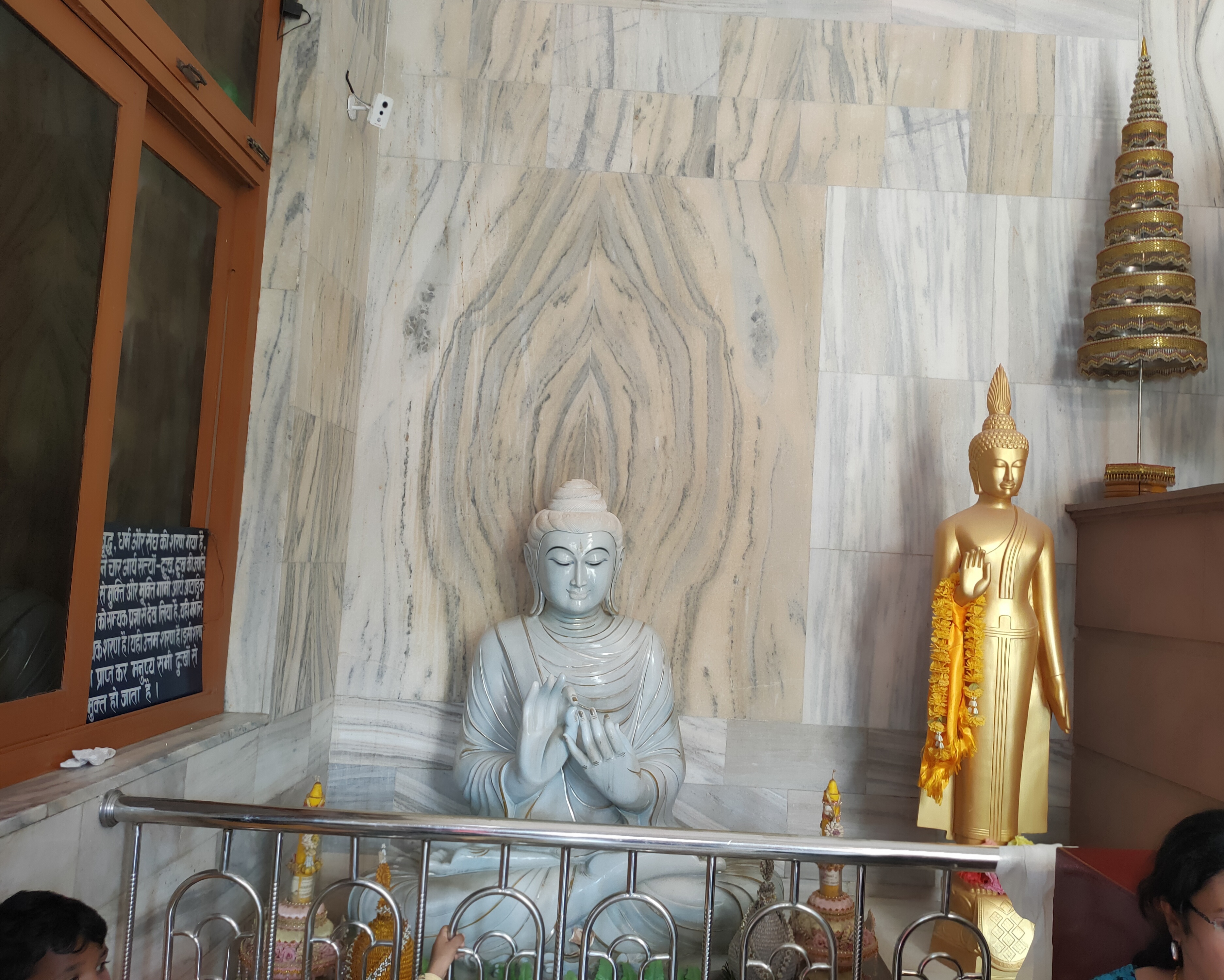
When we start to forgive and forget, we realise that certain people and situations aren’t as crucial as we once thought. Accepting that we cannot change the past or predict the future allows us to appreciate the present moment.
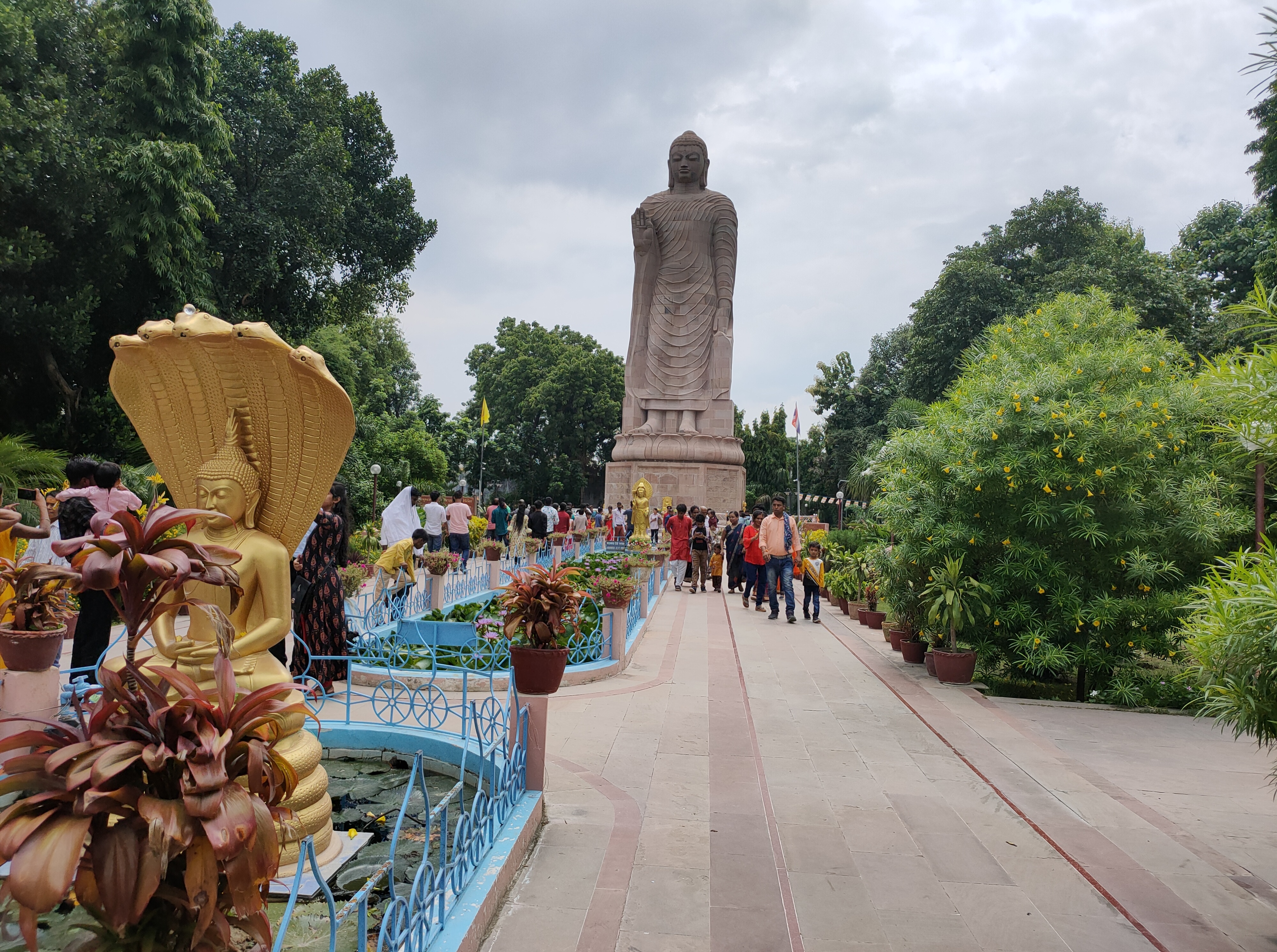
Attachment does not lead to enlightenment; this truth is becoming clearer to me. We can give our best effort, but if we don’t succeed, we must wholeheartedly accept failure.
While many may not follow a spiritual path, we can all learn how to alleviate pain and release ourselves from past experiences.
The term
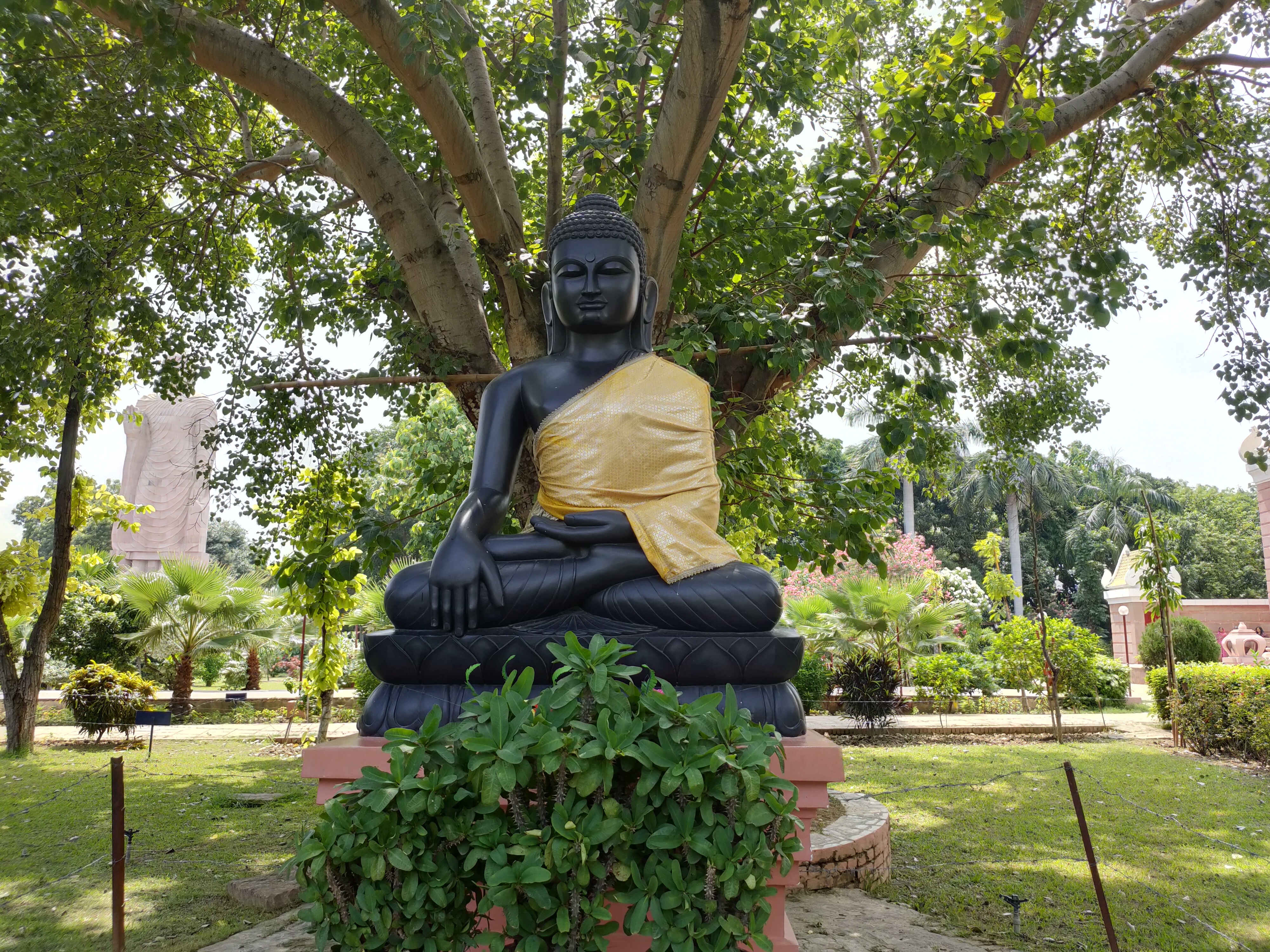
Gautam Buddha’s journey epitomises enlightenment, illustrating the impermanence of life. He taught this lesson to a grieving mother who brought her deceased son to him, seeking to reverse death.
Buddha agreed to help but asked her to collect mustard oil from a home untouched by death. As she went from house to house, she discovered that every family had experienced loss.
When she returned at night, Buddha smiled and explained that we all must eventually depart this life. Some leave early and others late, but accepting this reality helps us to release our emotions.
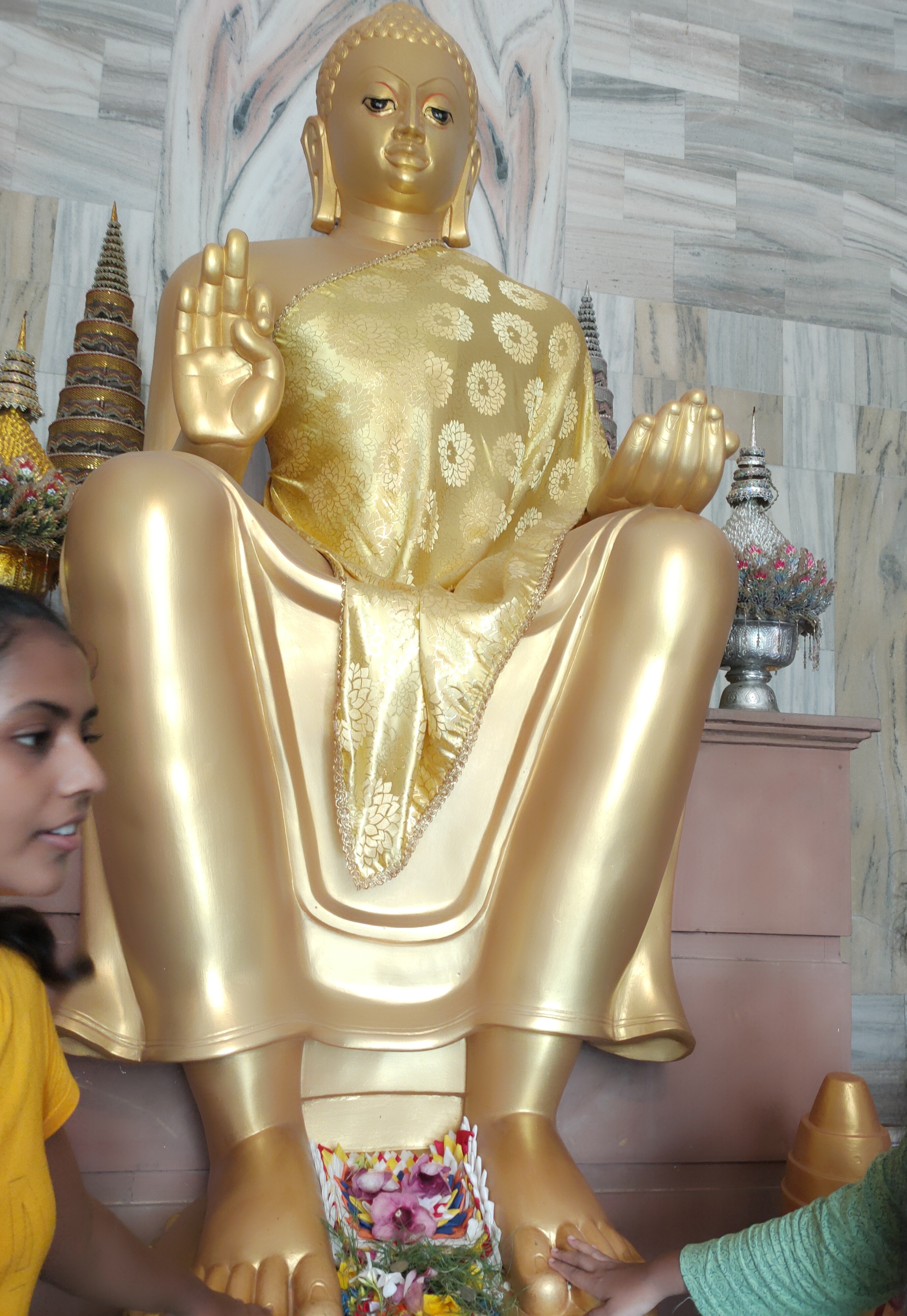
Once we cultivate the ability to forgive and embrace whatever life presents as lessons, we unlock the true meaning of enlightenment. We will find inner peace, and nothing can shatter us from within.
While we often say sharing is caring, it truly applies when we share our emotions with a higher power, not with others. Sharing with humans can lead to expectations of reciprocity.
When we express our feelings to people, they might exploit them for their own benefit.
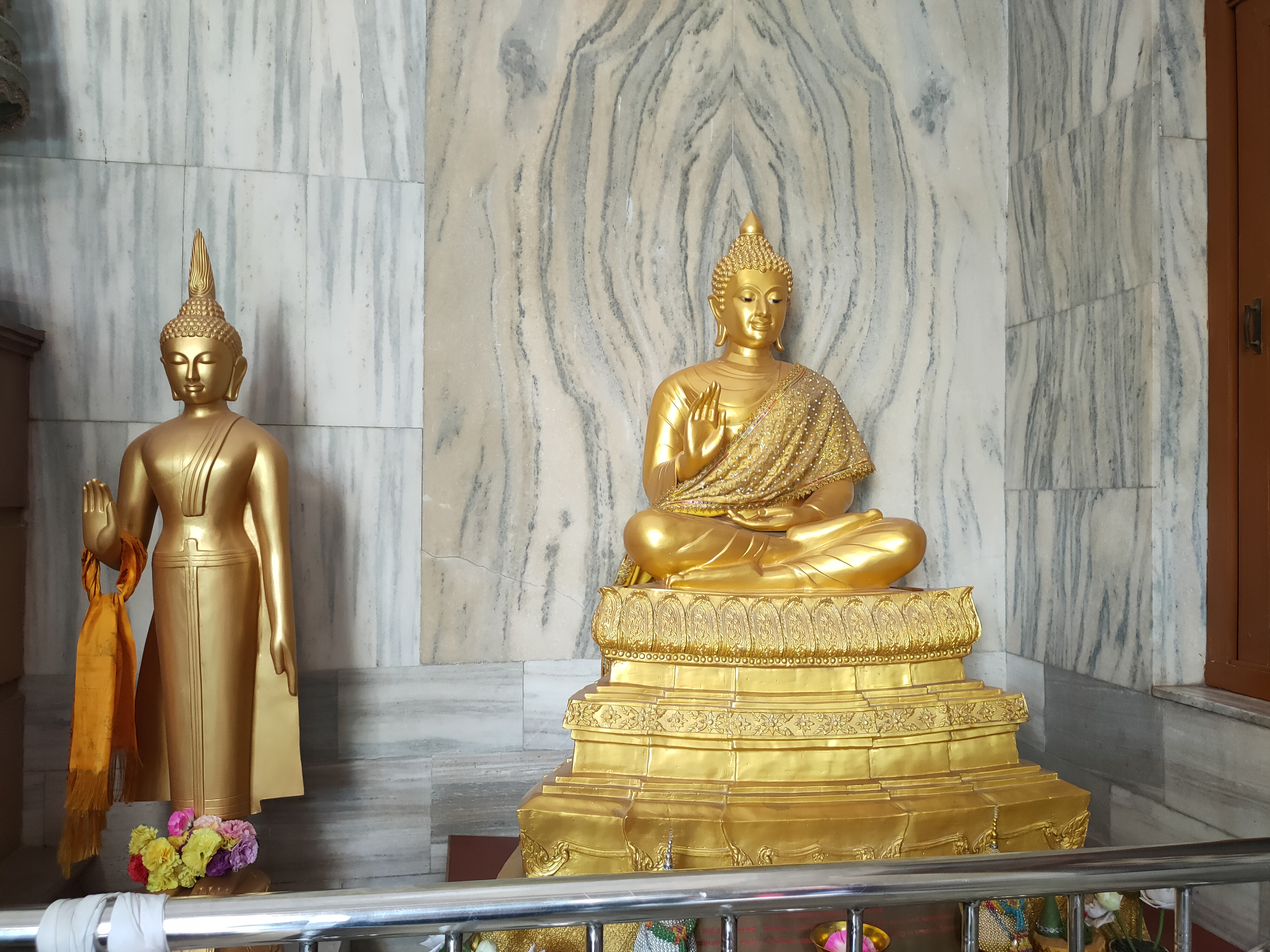
We tend to appreciate external brilliance, yet we must remember to nurture the light within, which enables us to conquer the six internal enemies: lust, anger, greed, infatuation, drunkenness, and covetousness.
Consider that all conflicts stem from these six sources.
Recognising the thin line between necessity and desire will transform our world into a harmonious place, free from conflict.
The expectations we hold concerning greed have contributed to our advancement as a modern society; however, this has come at the cost of our peace of mind.
Human behaviour often tends to seek validation through the misfortunes of others, frequently leading to a desire to exert dominance over those perceived as weaker.
Such tendencies foster an environment characterised by cruelty and a lack of empathy, resulting in widespread instability. Additionally, there appears to be a greater inclination to take pleasure in the failures of others rather than focusing on self-improvement.
Consequently, the ideals of humanity and peace are increasingly becoming distant aspirations.


I think the desire for power, highly concentrated in certain nations and driven mainly by an economic ideal — the relentless pursuit of profit, which I honestly do not understand — along with the desire to see other nations, peoples, and cultures fall... I sincerely do not understand it.
Perhaps humanity needs a little of the light of Gautam Buddha.
Cheers :)
Just a tip if you post in communities focused on creative writing: Do not copy-paste text from wikipedia or AI written or post text/poems from someone else. It is misleading. Try to share your own view and experiences if you post your photo.
🍀❤️
@wakeupkitty
Curated by: @ahsansharif