Steemit Learning Challenge-S27W5; Physiofit; Plantar Fasciitis Relive
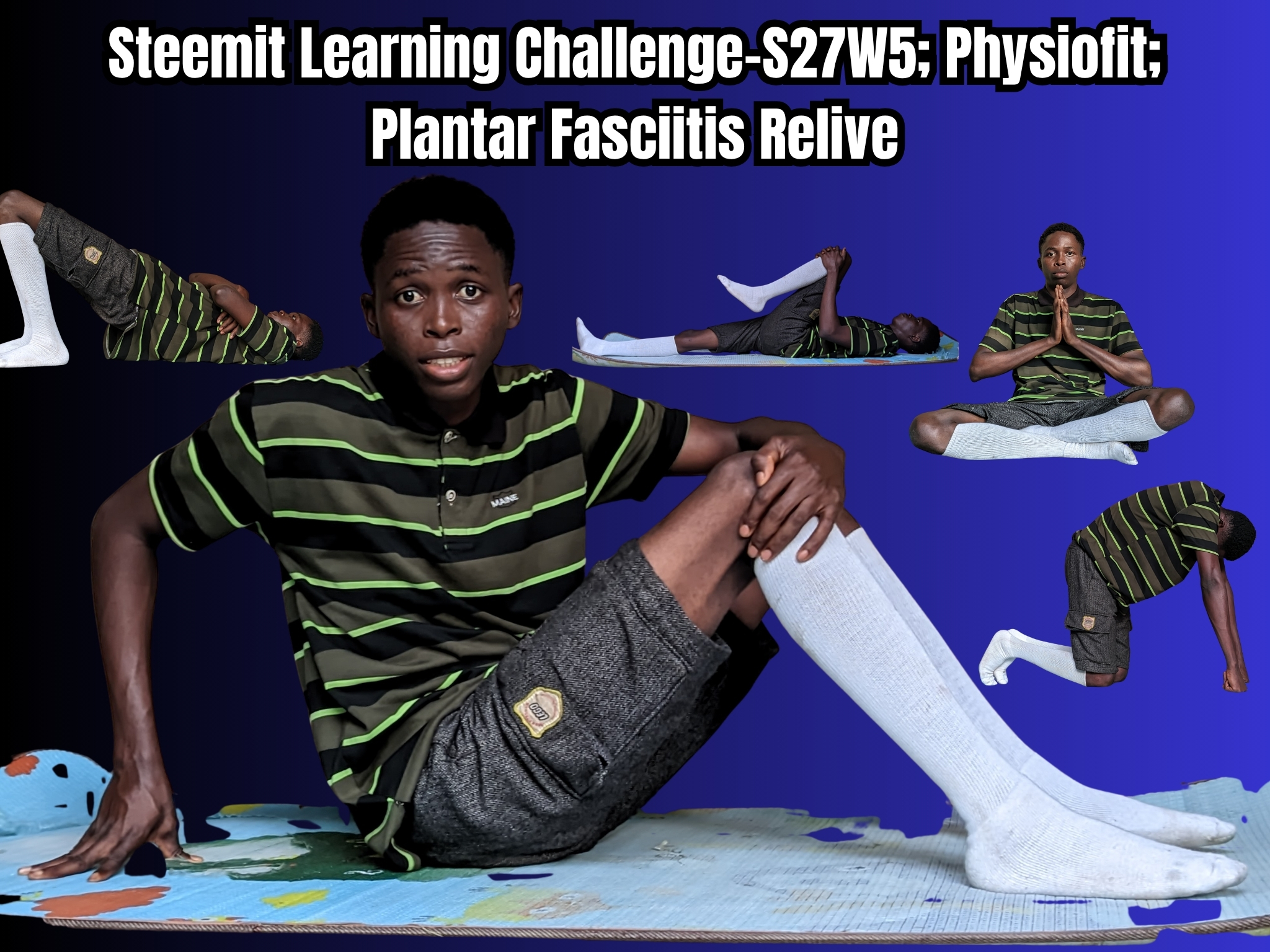
I am grateful that this week's assignment requires me to diagnose illnesses, write reports and formulate possible symptoms, break down the causes, conduct a few evaluations, and finally demonstrate possible physiotherapy exercises by completing them. 11 months ago, I learnt a lot about the physiotherapy healing approach to some diseases, organised by @ashkhan. I will be bringing to reminisce a very different disease from plantar fasciitis and that's disc herniation which is very common since we lift weights/heavy objects every day of our lives.
CASE
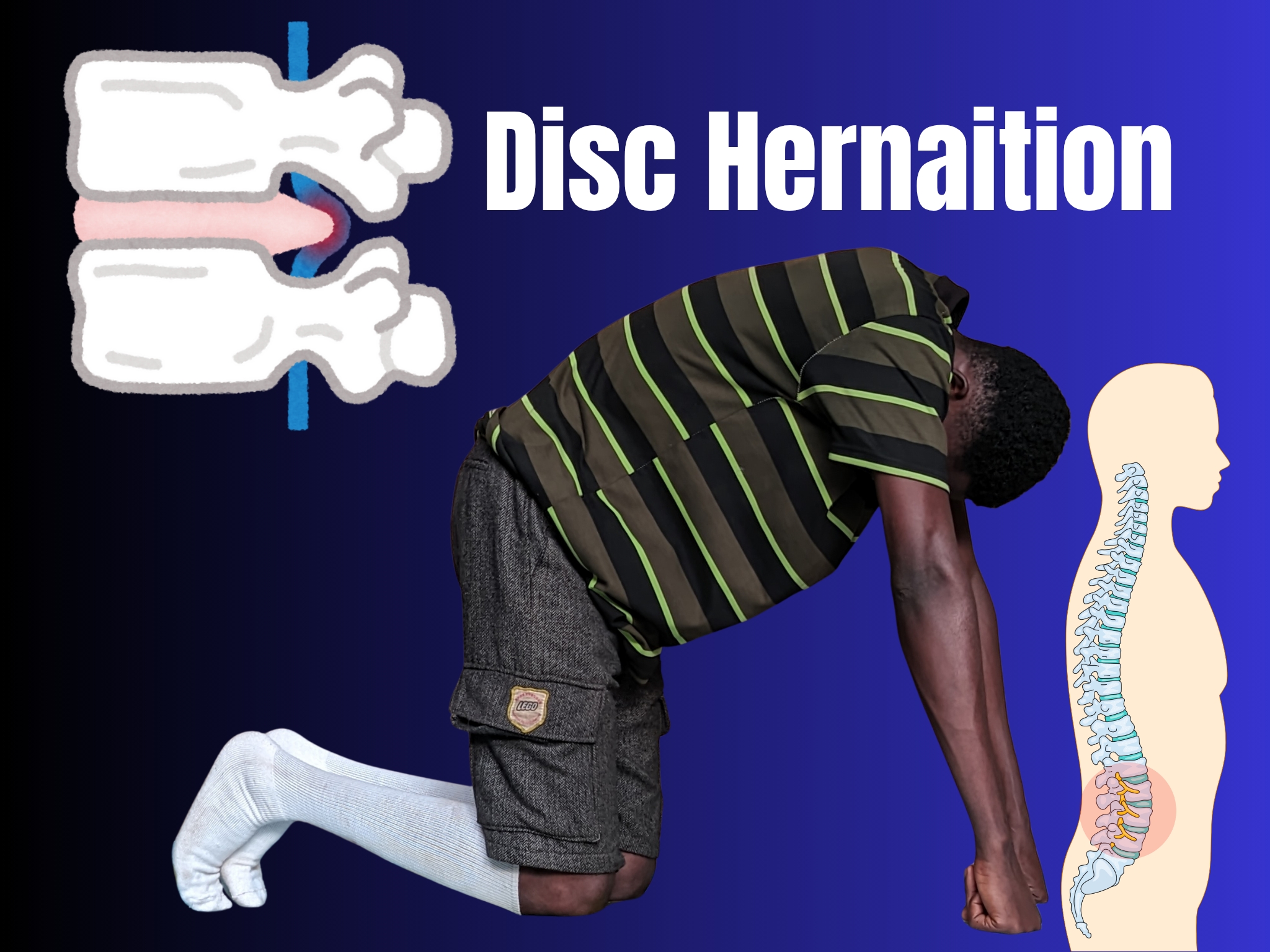
John is a 42-year-old construction worker in the construction site, where his job is majorly lifting light or heavy loads and not supervision. He is presented with a 3-week history of severe pain; this pain radiates down to his right leg and to the foot region. The pain experienced began after a few minutes of lifting two (2) heavy cement bags that weigh 50 kg each. This pain worsens whenever he sits or bends, and it eases slightly when lying flat with his back on the floor. He also reported numbness in his lower leg region and occasional foot weakness while climbing the stairs.
CAUSES OF DISC HERNIATION
- Heavy or very awkward lifting that puts huge pressure on the jelly
- Ageing can cause discs to lose cushion with time.
Repetitive bending for people who perform hard jobs like John or are involved in sports - A slight slip and fall can cause a jerk which can tear the disc, causing instant bulging of the affected part.
- Being overweight or having extra belly weight can lead to this as well.
SYMPTOMS
These symptoms persisted 3 weeks after lifting this bag of cement.
- Severe lower back (lumbar region) pain began after lifting a heavy load.
- Radiating pain down the right leg to the foot (in summary, sciatica is a pain that radiates from the lower back to the leg region).
- Pain worsens when John sits or bends and is slightly relieved when he lies flat.
- Foot weakness, especially when climbing stairs.
MY CONCLUSION/CONFIRMATION OF DIAGNOSIS
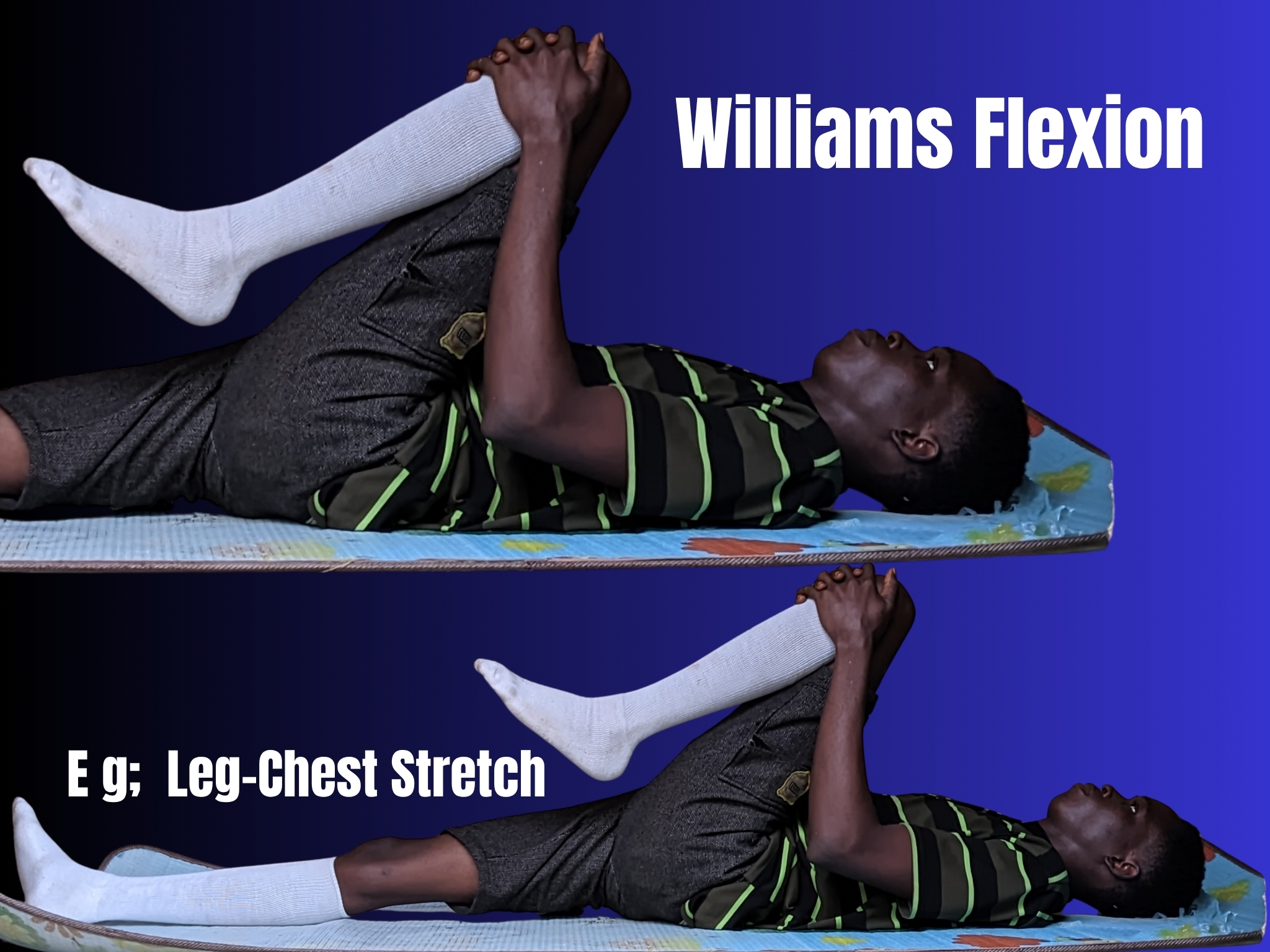
After John gave me these symptoms, it quickly came into my mind that a pain felt in the back while sitting and climbing a staircase is as a result of the bulge pushing harder on the nerve, causing a serious pain, and also it squeezes the jelly back out; furthermore, while sitting, the hip drags this nerve, causing more pain. I actually check how far my patient can bend to know the intensity of the disc herniation; with this, I concluded that there is a shift in these nerves.
PHYSICAL THERAPY
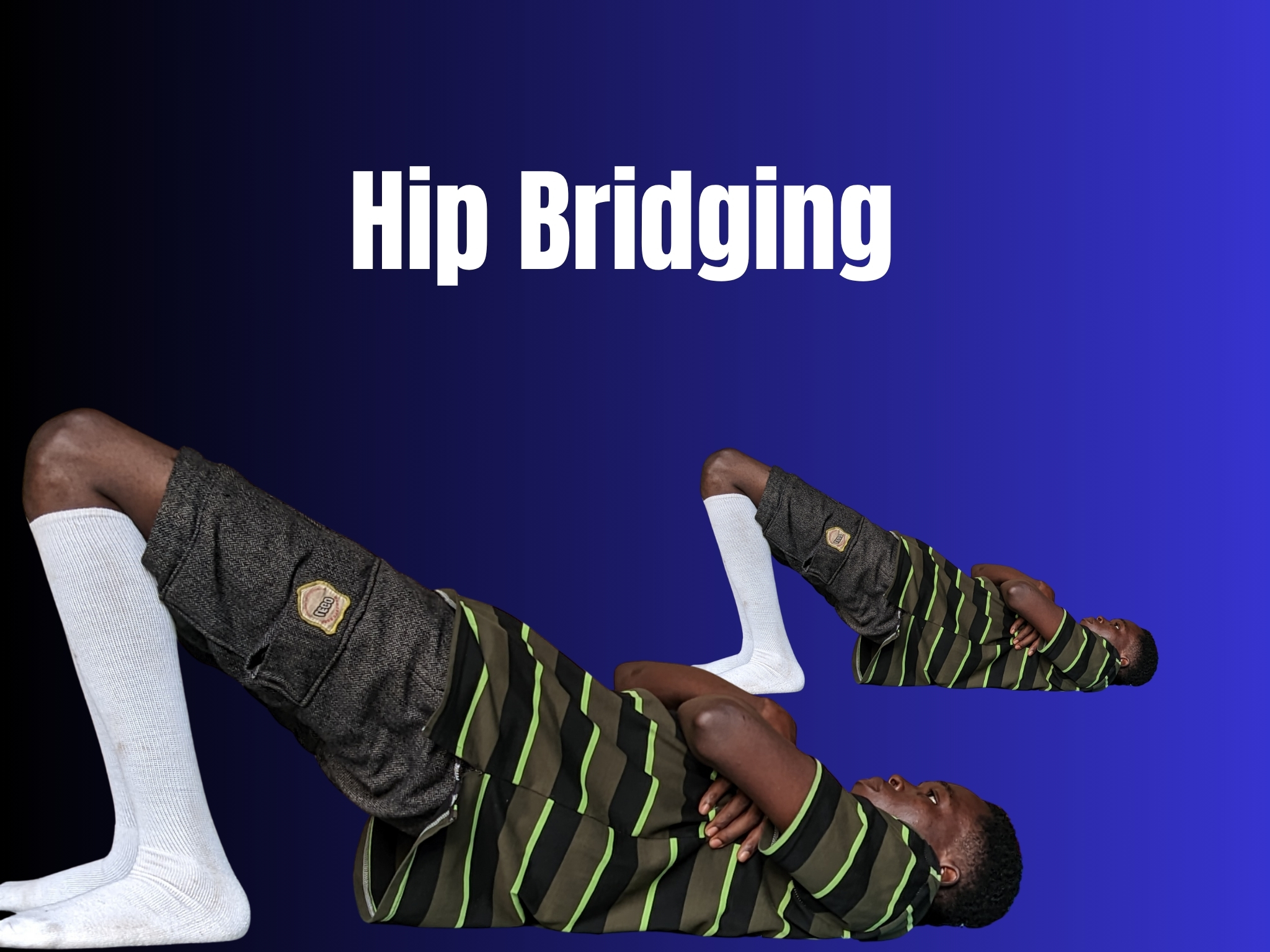
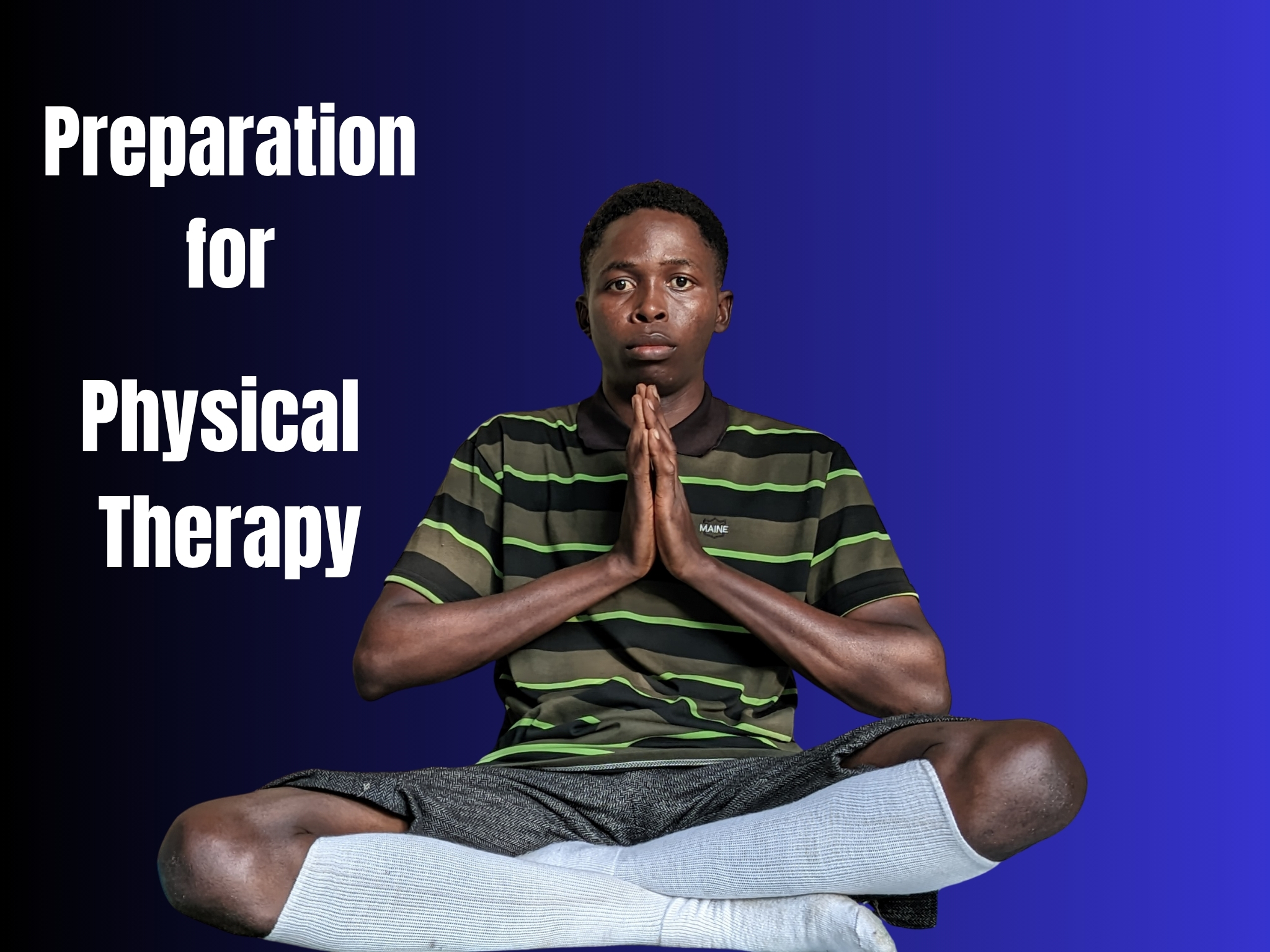
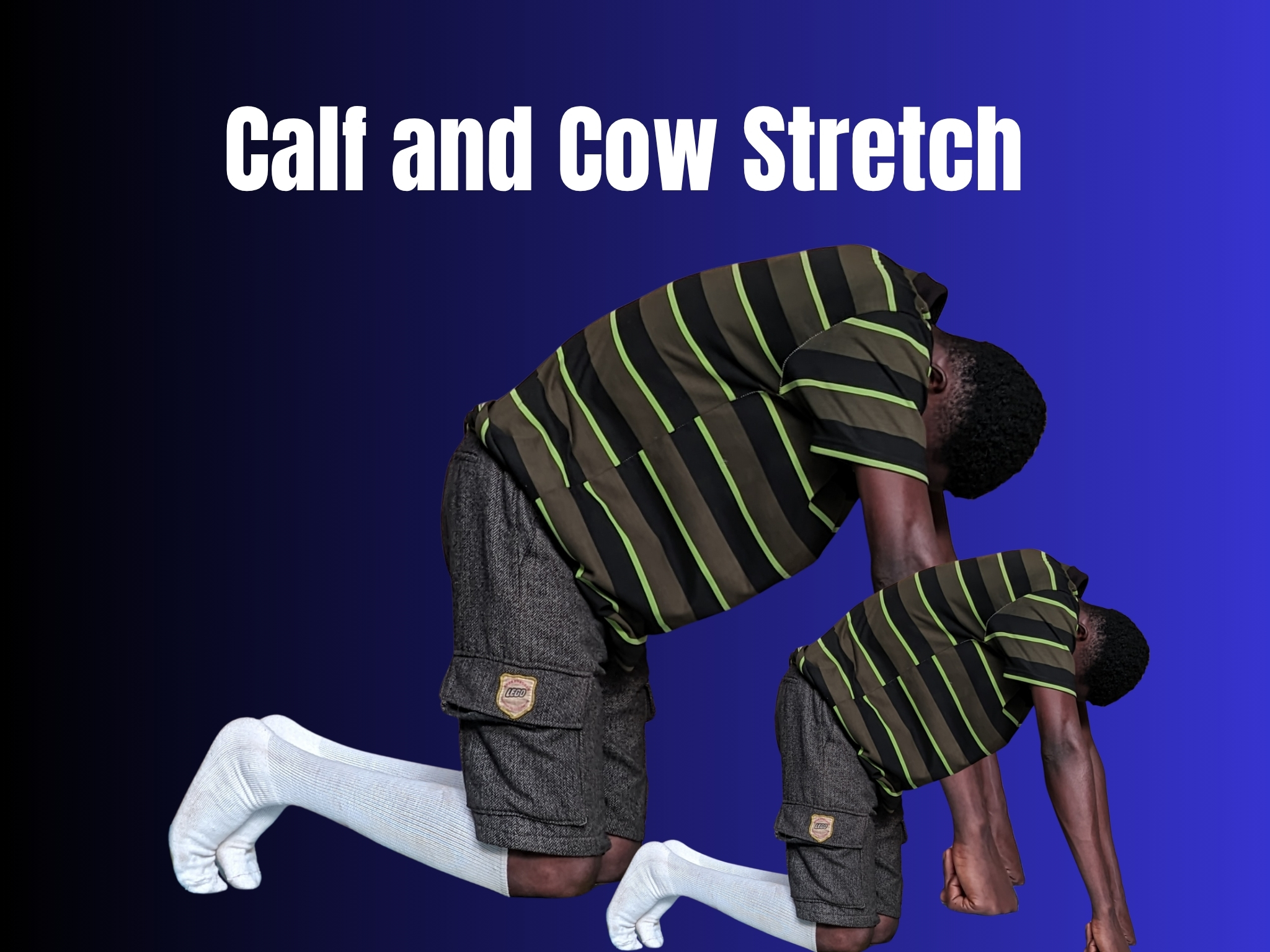
The physical therapy that can tackle this disease is hip bridging, which can help the hip extend without aching to the lower back; calf and cow stretches; and lastly, the knee-to-chest stretch, which is an example of Williams flexion exercise.
Below is a video of how I performed each of these exercises in the order above; there are also pictures of the exercises are attached above.
I would love to see friends like @dexsyluz, @soulfuldreamer and @graceleon join this challenge
Click the IPFS link below to watch the video👇
Posted with Speem
Thank you for understanding the challenge and sharing your assignment. I hope you will enjoy this week's challenge and try to implement it in your life if you encounter a similar case.
Observations
Okay this is nice, I am learning everyday, I needed to share a special test to confirm the diagnosis of this disease, if possible review the calf and cow exercise because I think my cloth is making it not so visible.
Thanks for the review, I really appreciate